304 contre 316 Découpe laser en acier inoxydable: Paramètres, Coût & Guide de qualité des bords
304 et 316 stainless steel sheets are two of the most widely used stainless materials in precision fabrication. Although they look almost identical after polishing or surface finishing, their behavior under high-energy laser cutting is significantly different. For fabrication companies, choosing the wrong cutting parameters can result in excessive dross, edge discoloration, rough cut surfaces, and unnecessary material waste.
The key difference comes from chemistry. The addition of molybdenum (Mo) gives 316 stainless steel superior chloride corrosion resistance, but it also changes the melting behavior during laser processing. Understanding these differences allows manufacturers to optimize cutting speed, puissance laser, position de mise au point, and assist gas settings for better efficiency and quality.
304 contre. 316 Acier inoxydable: Similar Appearance, Different Cutting Behavior
From a visual perspective, 304 et 316 stainless steel plates are difficult to distinguish. Both can be supplied with 2B, BA, brossé, or mirror finishes. Cependant, their metallurgical structures create different reactions during laser cutting.
| Matériel | Main Alloy Elements | Laser Cutting Characteristics |
|---|---|---|
| 304 Acier inoxydable | Environ 18% Cr + 8% Dans | Stable melting behavior, easier slag removal |
| 316 Acier inoxydable | Environ 16% Cr + 10% Dans + 2% Mo | Higher molten pool viscosity, requires optimized parameters |
Why Does 316 Stainless Steel Become More Difficult to Cut?
The main factor is molybdenum. Dans 316 acier inoxydable, environ 2% molybdenum improves resistance against pitting and crevice corrosion, especially in chloride environments such as marine, traitement chimique, and food applications.
Cependant, during laser cutting, the molten metal behavior is different.
- 316 produces a heavier and more viscous molten pool.
- The liquid metal is more difficult for assist gas to remove.
- Insufficient gas pressure can cause bottom-edge dross.
- Cutting speed usually needs slight reduction to achieve a clean edge.
This means that 316 stainless steel requires more careful parameter adjustment compared with 304.
Recommended Laser Cutting Parameter Adjustment: 304 contre. 316
| Paramètre | 304 Acier inoxydable | 316 Acier inoxydable | Adjustment Reason |
|---|---|---|---|
| Vitesse de coupe | 100% Reference | 90%–95% Reference | Longer heat interaction improves melting efficiency |
| Puissance laser | Standard Setting | Increase approximately 5% | Helps overcome higher molten pool resistance |
| Duty Cycle | Standard | Slightly Increased | Maintains stable thermal input |
| Focus Position | -1mm to -2mm | Move downward approximately 0.5mm | Improves bottom penetration and reduces dross |
Nitrogen Cutting: Gas Pressure and Purity Requirements
For stainless steel laser cutting where a bright and oxidation-free edge is required, azote (N₂) is the preferred assist gas. High-purity nitrogen prevents oxidation and maintains a clean metallic appearance.
A nitrogen purity level of approximately 99.9% or higher is commonly recommended for high-quality stainless steel processing.
| Matériel | Assist Gas Recommendation | Pressure Consideration |
|---|---|---|
| 304 Acier inoxydable | High-purity Nitrogen | Standard pressure range |
| 316 Acier inoxydable | High-purity Nitrogen | Usually requires higher pressure, approximately 1.5–2 Bar increase |
Because the molten material from 316 is heavier, insufficient nitrogen pressure may cause molten droplets to remain attached to the bottom edge, creating hard dross.
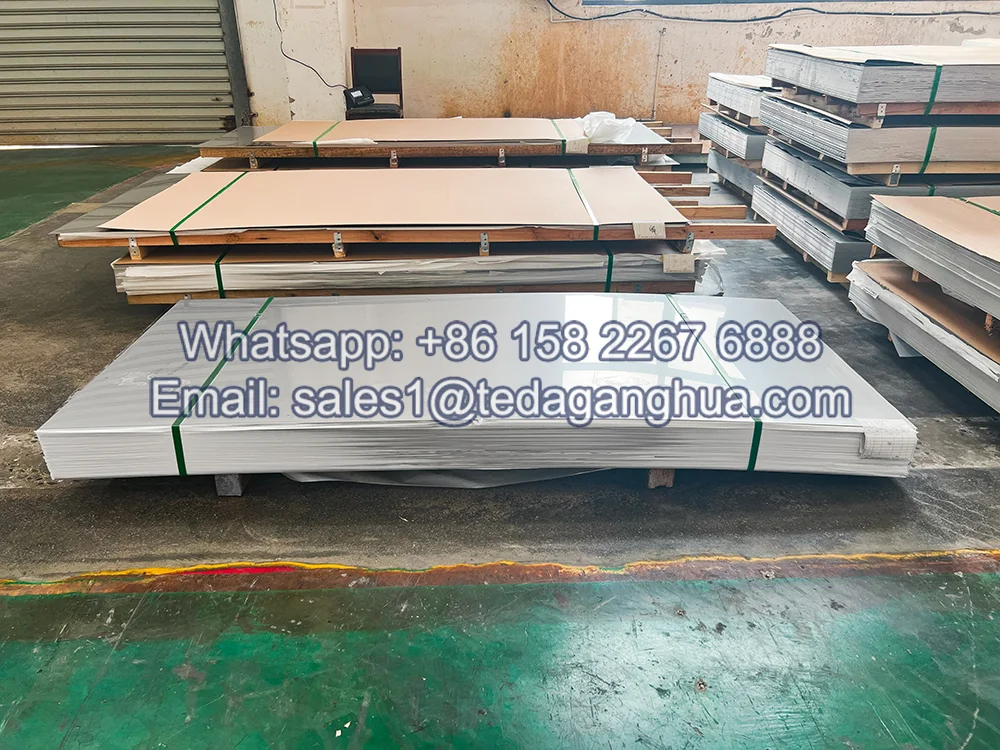
How to Identify a High-Quality Laser Cut Edge
A professional laser cut stainless steel edge should be evaluated based on surface appearance, heat impact, and slag condition.
1. Cutting Edge Texture
304 stainless steel usually produces finer vertical cutting lines due to its smoother molten flow. 316 may show slightly stronger vertical patterns, but the lines should remain consistent and uniform.
2. Zone affectée par la chaleur (HAZ)
The heat affected zone should remain narrow and evenly distributed. Excessive heat input can cause discoloration, surface oxidation, and additional finishing requirements.
3. Dross Inspection
| Dross Appearance | Possible Cause |
|---|---|
| Fine needle-like burrs | Assist gas pressure too low |
| Large round molten particles | Cutting speed too slow |
| Uneven slag accumulation | Incorrect focus or unstable parameters |
304 contre. 316 Laser Cutting Cost Considerations
Bien que 316 stainless steel offers superior corrosion resistance, its laser processing requirements are usually more demanding. Lower cutting speeds, higher nitrogen consumption, and additional parameter optimization increase fabrication costs.
In large-scale projects, laser cutting costs for 316 stainless steel can typically be around 15%–25% higher than 304 processing costs, excluding the raw material difference.
| Cost Factor | 304 | 316 |
|---|---|---|
| Vitesse de coupe | Plus haut | Slightly Lower |
| Nitrogen Consumption | Standard | Plus haut |
| Parameter Adjustment Difficulty | Inférieur | Plus haut |
| Processing Cost | Baseline | Approximately 15%–25% higher |
Applications Where Laser-Cut 304 et 316 Stainless Steel Are Commonly Used
- Équipement de transformation des aliments
- Commercial kitchen fabrication
- Medical equipment components
- Ouvrages marins
- Équipement de traitement chimique
- Architectural stainless steel panels
- Pièces industrielles de précision

How Teda Ganghua Supports Precision Stainless Steel Fabrication
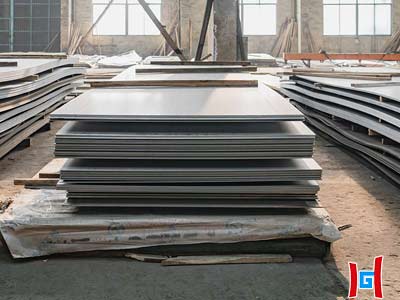
Teda Ganghua supplies high-quality stainless steel plates with stable chemical composition, consistent thickness tolerance, and reliable surface quality for precision fabrication projects. With professional processing capabilities and experience in stainless steel applications, Teda Ganghua helps customers optimize material selection, laser cutting performance, and final product quality.
Whether customers require corrosion-resistant 316 stainless steel for marine and chemical environments or cost-efficient 304 stainless steel for general fabrication, technical support is provided to match the right grade with the right application.
Explore our complete range of
plaques en acier inoxydable
for industrial fabrication and precision processing.
Frequently Asked Questions
Peut 304 et 316 stainless steel use the same laser cutting settings?
Non. Although both materials are austenitic stainless steels, 316 requires slower speed, higher gas pressure, and optimized focus because of its higher molten metal viscosity.
Why does 316 stainless steel produce more dross during laser cutting?
The molybdenum-containing alloy structure changes molten pool behavior, making the liquid metal heavier and more difficult for nitrogen gas to remove.
Which assist gas is best for stainless steel laser cutting?
High-purity nitrogen is commonly preferred when a bright, oxidation-free cutting edge is required.
Is laser cutting 316 more expensive than 304?
Oui. Due to slower cutting speeds and higher gas requirements, 316 laser processing usually has a higher fabrication cost.
How can buyers ensure good laser-cut stainless steel quality?
Check edge smoothness, dross level, heat affected zone, précision dimensionnelle, and material certification before accepting finished parts.