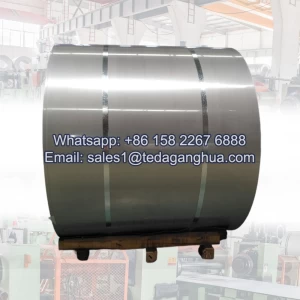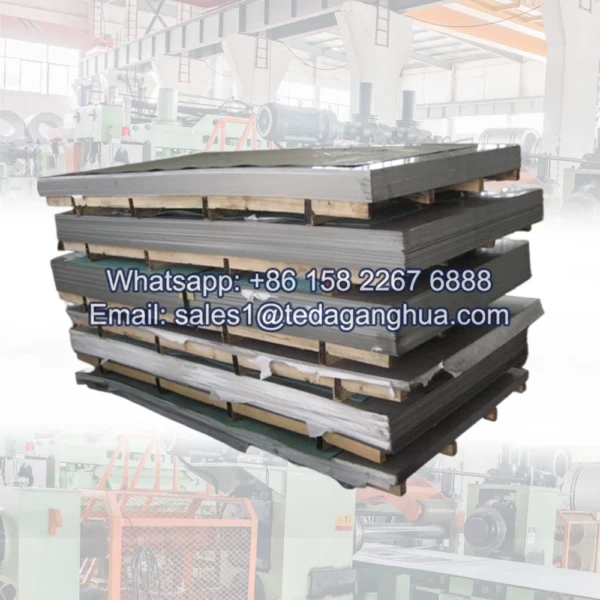
Astm A240 Jis
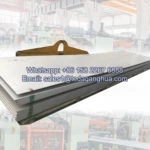
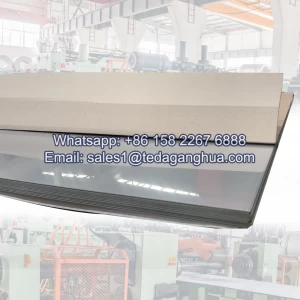
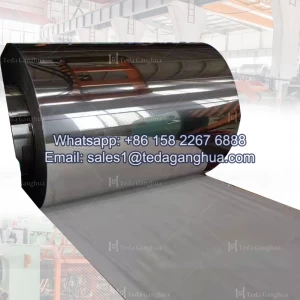
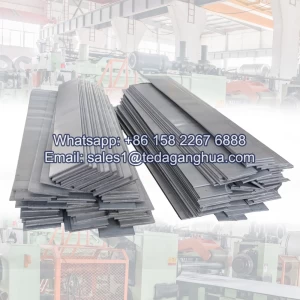
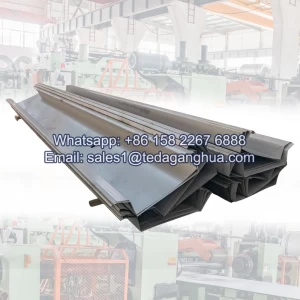
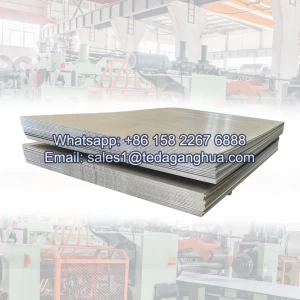
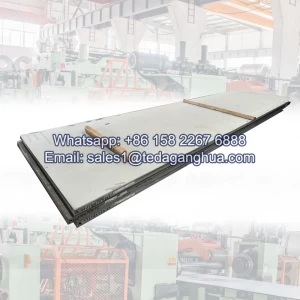
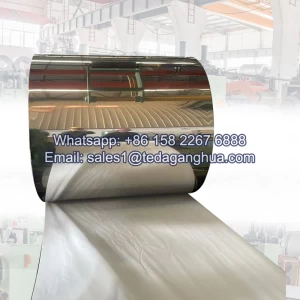
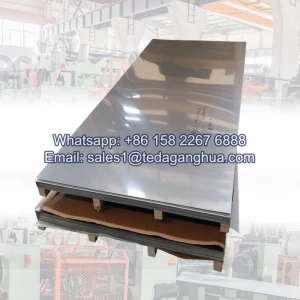
ASTM A240 and JIS are two major international stainless steel standards used for plates, Blätter, und Spulen. ASTM A240 is mainly focused on industrial and pressure vessel applications, while JIS standards are widely used in Japanese and Asian manufacturing industries.
- Beschreibung
ASTM A240 and JIS standards are two of the most important international specifications used for stainless steel plates, Blätter, und Spulen. These standards define the chemical composition, mechanische Eigenschaften, manufacturing requirements, Abmessungen, tolerances, and surface finishes of stainless steel materials used in industrial, strukturell, and commercial applications.
ASTM standards are widely used in North America and international engineering projects, while JIS standards are commonly applied in Japan and many Asian industrial markets.
1. What Is ASTM A240?
ASTM A240 is an American standard specification developed for:
- Chromium stainless steel plates
- Chromium-nickel stainless steel sheets and strips
- Heat-resistant stainless steel materials for pressure vessels and industrial applications
It is one of the most commonly referenced standards for stainless steel flat products.
Main Features of ASTM A240
- Defines chemical composition requirements
- Specifies mechanical property standards
- Covers stainless steel plate, Blatt, und Streifenprodukte
- Includes heat-resistant and corrosion-resistant grades
- Widely used in pressure vessel and industrial fabrication industries
2. Common Stainless Steel Grades Under ASTM A240
| ASTM-Klasse | Main Characteristics |
|---|---|
| 304 | Allgemeine Korrosionsbeständigkeit |
| 304L | Kohlenstoffarm, verbesserte Schweißbarkeit |
| 316 | Better chloride corrosion resistance |
| 316L | Chemical and marine applications |
| 310S | Hochtemperaturbeständigkeit |
| 321 | Titanium stabilized stainless steel |
| 430 | Ferritischer Edelstahl |
| Duplex 2205 | High strength and corrosion resistance |
3. What Is JIS Standard for Stainless Steel?
JIS stands for:
Japanische Industriestandards
JIS stainless steel standards define:
- Material grades
- Mechanische Eigenschaften
- Dimensional tolerances
- Surface finish classifications
- Manufacturing methods
JIS standards are widely used in:
- Automotive manufacturing
- Precision engineering
- Industrielle Fertigung
- Construction materials
4. Gängige JIS-Edelstahlsorten
| JIS-Klasse | Equivalent ASTM Grade |
|---|---|
| SUS304 | 304 |
| SUS304L | 304L |
| SUS316 | 316 |
| SUS316L | 316L |
| SUS430 | 430 |
| Sus310s | 310S |
In JIS standards:
- “SUS” means stainless steel use steel
5. ASTM A240 vs JIS Stainless Steel Standards
| Artikel | ASTM A240 | JIS-Standard |
|---|---|---|
| Region | USA / International | Japan / Asien |
| Main Focus | Pressure vessels and industrial steel | Industrial and precision manufacturing |
| Grade Naming | 304, 316, 310S | SUS304, SUS316, Sus310s |
| Surface Standards | ASTM finish system | JIS finish system |
| Anwendung | Heavy industry and engineering | Automotive and precision fabrication |
Although the standards are different, many grades have very similar chemical compositions and performance.
6. Surface Finish Standards
Both ASTM and JIS define common stainless steel surface finishes.
| Beenden | Beschreibung |
|---|---|
| Nr.1 | Hot rolled annealed finish |
| 2B | Cold rolled smooth finish |
| BA | Blankgeglühte Oberfläche |
| Nr.4 | Brushed satin finish |
| HL | Hairline decorative finish |
These finishes are widely used for industrial and decorative applications.
7. Mechanical Property Requirements
Both ASTM A240 and JIS standards specify:
- Zugfestigkeit
- Streckgrenze
- Verlängerung
- Hardness requirements
These mechanical properties ensure:
- Structural safety
- Fertigungsleistung
- Welding compatibility
- Corrosion resistance consistency
8. Applications of ASTM and JIS Stainless Steel
Stainless steel materials produced under ASTM A240 and JIS standards are widely used in:
- Chemische Ausrüstung
- Lebensmittelverarbeitungssysteme
- Druckbehälter
- Architektonische Dekoration
- Automobilteile
- Industriemaschinen
- Wärmetauscher
- Meerestechnik
9. Importance of International Standards
Using ASTM A240 and JIS standards ensures:
- Stable material quality
- Global engineering compatibility
- Reliable mechanical performance
- Consistent corrosion resistance
- Easier international trade and fabrication