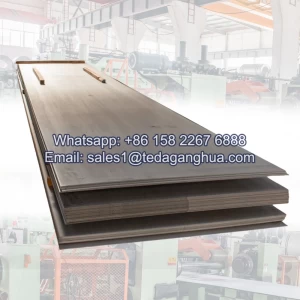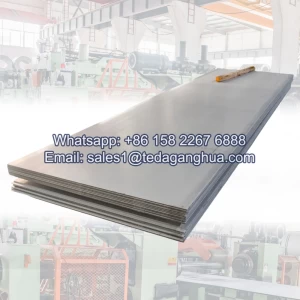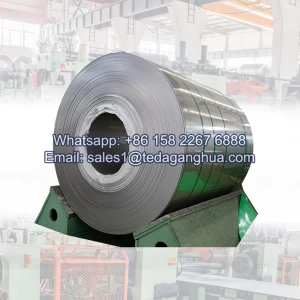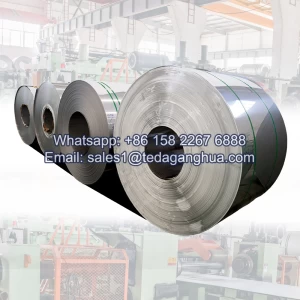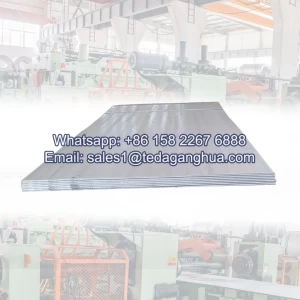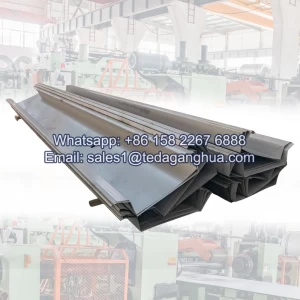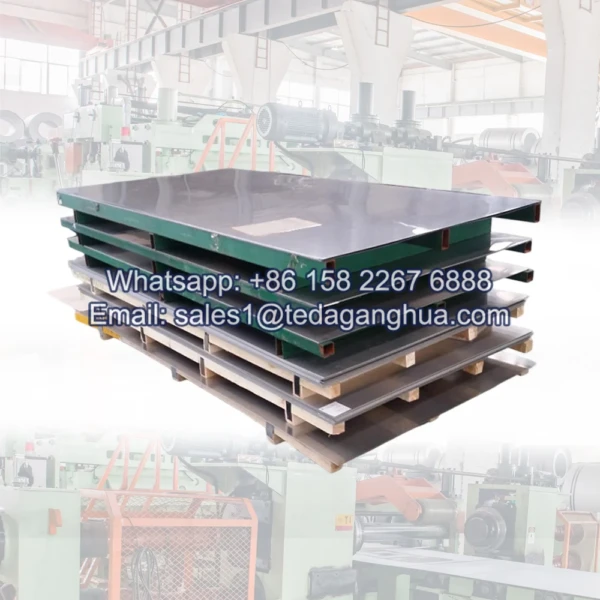
Aisi 442

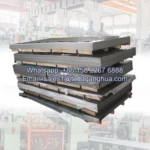
AISI 442 is a high-chromium ferritic stainless steel designed for high-temperature oxidation resistance and thermal stability. Its elevated chromium content provides better corrosion and heat resistance than standard ferritic grades such as 430 Edelstahl.
- Beschreibung
AISI 442 is a ferritic stainless steel grade known for its excellent oxidation resistance, high chromium content, and good high-temperature performance. Compared with common ferritic stainless steels such as 430 Edelstahl, AISI 442 contains a much higher chromium content, giving it superior corrosion resistance and heat resistance in oxidizing environments.
This material is commonly used in furnace parts, Wärmebehandlungsausrüstung, industrial exhaust systems, and high-temperature structural components.
1. Chemical Composition of AISI 442 Edelstahl
AISI 442 is a high-chromium ferritic stainless steel.
Typische chemische Zusammensetzung
| Element | Typischer Inhalt |
|---|---|
| Chrom (Cr) | 18.0% – 23.0% |
| Kohlenstoff (C) | ≤ 0.20% |
| Mangan (Mn) | ≤ 1.00% |
| Silizium (Und) | ≤ 1.00% |
| Phosphor (P) | ≤ 0.04% |
| Schwefel (S) | ≤ 0.03% |
| Nickel (In) | Low or trace |
The high chromium content is the key factor responsible for the material’s oxidation and corrosion resistance.
2. Main Performance Characteristics
Ausgezeichnete Oxidationsbeständigkeit
AISI 442 performs very well in high-temperature oxidizing environments due to its high chromium level.
Gute Korrosionsbeständigkeit
The material provides better resistance to oxidation and scaling than standard ferritic grades such as 430 Edelstahl.
Ferritic Stainless Steel Structure
As a ferritic stainless steel:
- Magnetisches Material
- Lower thermal expansion than austenitic grades
- Good thermal conductivity
- Geringerer Nickelgehalt
High-Temperature Stability
AISI 442 maintains good surface stability at elevated temperatures.
3. Mechanische Eigenschaften
| Eigentum | Typical Performance |
|---|---|
| Struktur | Ferritisch |
| Magnetismus | Magnetisch |
| Hitzebeständigkeit | Exzellent |
| Oxidationsbeständigkeit | Sehr hoch |
| Korrosionsbeständigkeit | Gut |
| Schweißbarkeit | Mäßig |
| Formbarkeit | Mäßig |
Compared with austenitic stainless steels, ferritic grades generally have:
- Geringere Duktilität
- Lower weldability
- Better thermal fatigue resistance
4. AISI 442 vs 430 Edelstahl
| Eigentum | AISI 442 | 430 Edelstahl |
|---|---|---|
| Chromium Content | Höher | Untere |
| Oxidationsbeständigkeit | Besser | Gut |
| Hitzebeständigkeit | Vorgesetzter | Mäßig |
| Korrosionsbeständigkeit | Besser | Allgemeiner Zweck |
| Kosten | Höher | Untere |
| High-Temperature Use | Exzellent | Beschränkt |
Because of its higher chromium content, AISI 442 is more suitable for elevated temperature service.
5. Heat Resistance Performance
AISI 442 is often selected for applications involving:
- Continuous high-temperature exposure
- Oxidizing furnace environments
- Thermal cycling conditions
Advantages include:
- Reduced scaling
- Stable oxide layer formation
- Improved thermal oxidation resistance
6. Processing Characteristics
Bildung
- Suitable for moderate forming operations
- Lower ductility than 304 Edelstahl
Schweißen
- Welding is possible with controlled procedures
- Preheating and post-weld considerations may be required for thicker sections
Bearbeitung
- Moderate machinability
- Bessere Wärmeleitfähigkeit als austenitische Sorten
7. Häufige Anwendungen von AISI 442 Edelstahl
AISI 442 wird weit verbreitet in:
- Ofenkomponenten
- Heat treatment equipment
- Industrial exhaust systems
- Brennkammern
- Hochtemperatur-Leitung
- Thermal processing equipment
- Automotive heat-resistant parts
8. Advantages of AISI 442 Edelstahl
- High chromium content
- Excellent oxidation resistance
- Good heat resistance
- Magnetic ferritic structure
- Lower nickel content compared with austenitic stainless steels
- Good thermal stability at elevated temperatures