- Beschreibung
304 Stainless Steel Plate Encyclopedia: Noten, Standards, Spezifikationen & Selection Guide
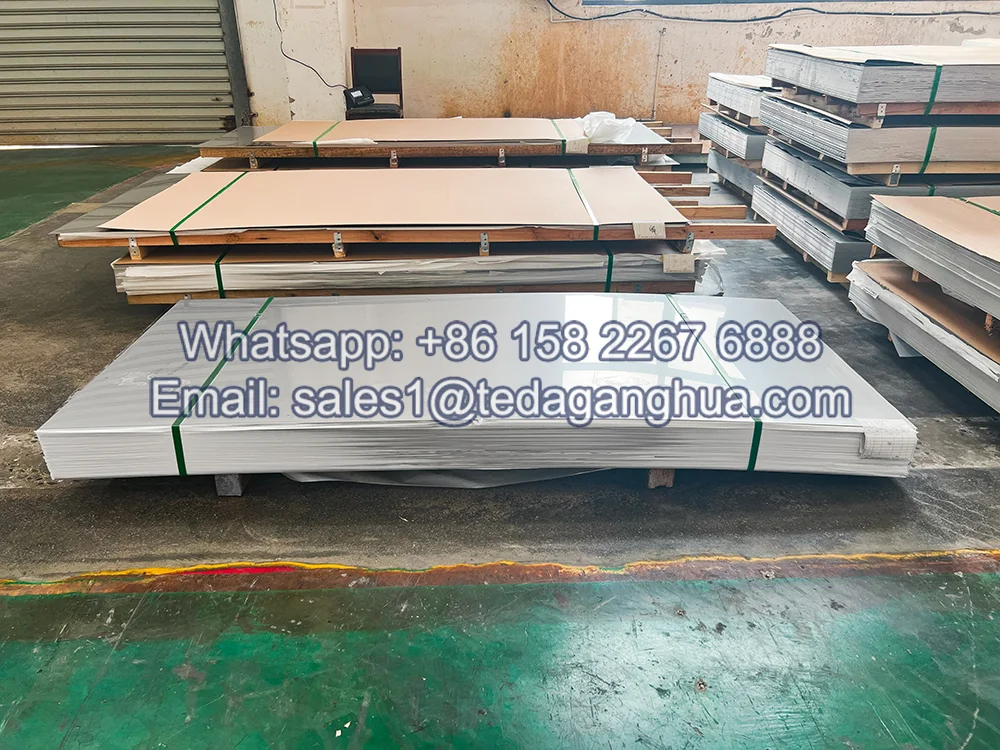
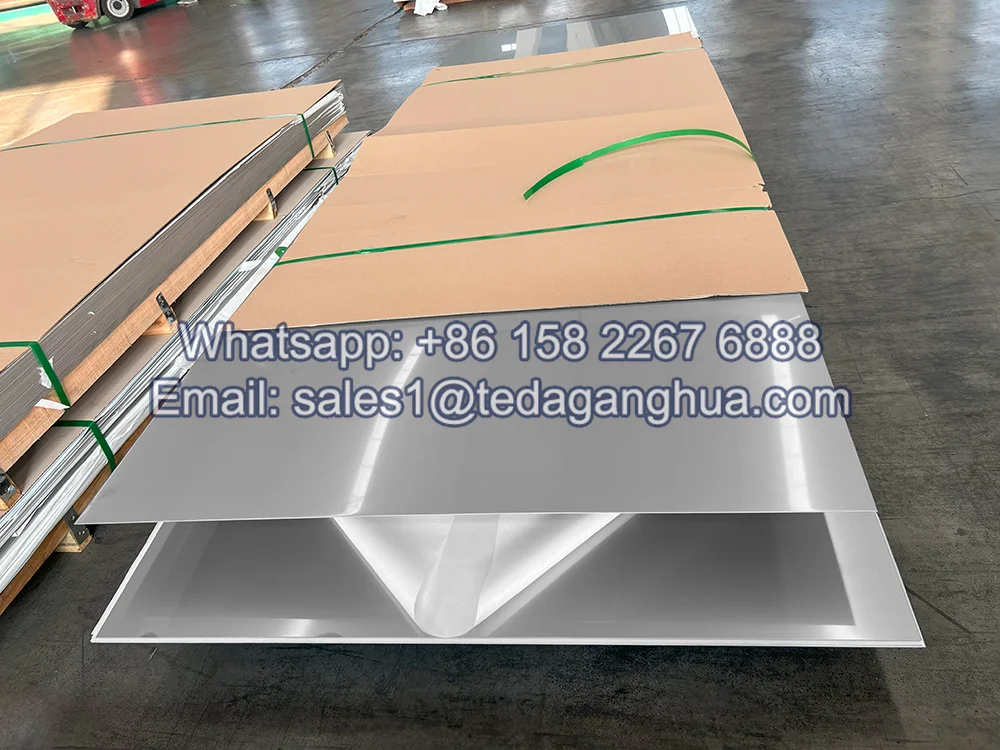
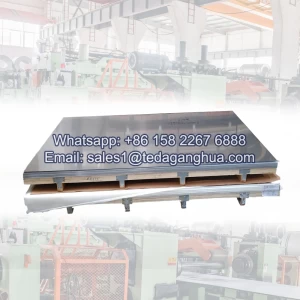
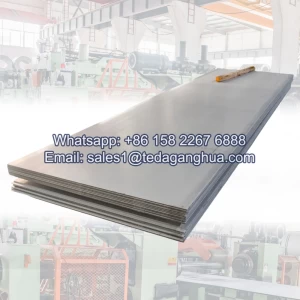
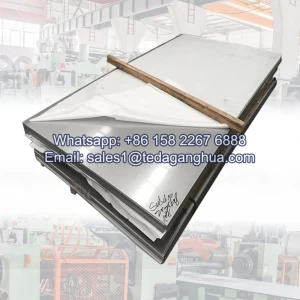
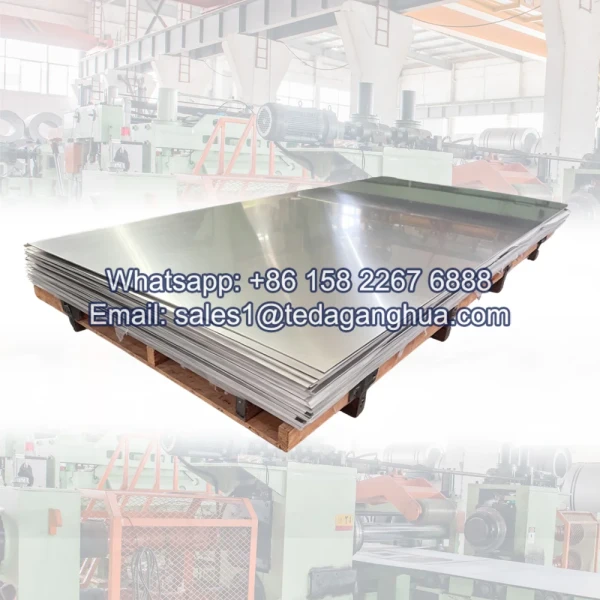
304 stainless steel plate is the most widely used Austenitischer Edelstahl in the world. Known for its excellent balance of Korrosionsbeständigkeit, Formbarkeit, Schweißbarkeit, und Kosteneffizienz, it is applied across industries such as construction, Lebensmittelausrüstung, chemische Verarbeitung, and general fabrication.
This guide provides a complete overview of 304 Edelstahlplatte, including international standards, Oberflächenveredelungen, sizing options, and key selection considerations.
1. Was ist 304 Edelstahlplatte?
| Eigentum | Detail |
|---|---|
| Stahltyp | Austenitischer Edelstahl |
| Main composition | 18% Chrom, 8% Nickel |
| Magnetismus | Generally non-magnetic (geglühter Zustand) |
| Korrosionsbeständigkeit | Excellent in most environments |
304 stainless steel is often referred to as the “general-purpose stainless steel” due to its wide adaptability.
2. International Standards: ASTM / ER / GB
| Standard System | Bezeichnung | Beschreibung |
|---|---|---|
| ASTM (USA) | ASTM A240-Typ 304 | Most common plate specification |
| ER (Japan) | SUS304 | Widely used in Asia-Pacific markets |
| GB (China) | 06Cr19Ni10 | National standard equivalent |
Although naming differs, these standards refer to chemically equivalent materials with similar performance characteristics.
3. Gängige Oberflächenbeschaffenheiten
- 2B-Finish: Glatt, matte Industrieoberfläche
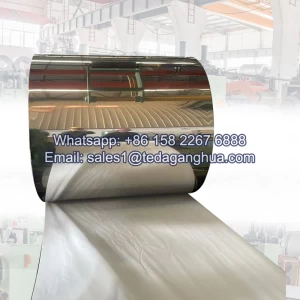
- BA-Finish: Blankgeglüht, reflektierende Oberfläche
- Nr.4 gebürstet: Decorative linear texture
- Spiegel (8K): High-gloss reflective finish
| Finish-Typ | Hauptanwendung |
|---|---|
| 2B | Industrielle Fertigung, Panzer, Ausrüstung |
| BA | Haushaltsgeräte, dekorative Paneele |
| Gebürstet | Architektur, Aufzüge, interiors |
| Spiegel | Luxuriöse Dekoration, Designplatten |
4. Standard Specifications & Dickenbereich
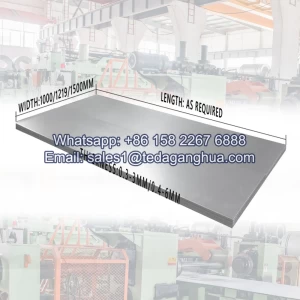
- Dicke: typically 0.3mm – 100mm+
- Breite: commonly 1000mm, 1219mm, 1500mm
- Länge: 2000mm, 2438mm, 3000mm or custom
304 stainless steel plates can be customized for cutting, Biegen, and fabrication depending on project requirements.
5. Common Misunderstandings About 304 Edelstahl
- “304 never rusts” → Incorrect. It resists rust but can corrode in chloride-rich environments.
- “All stainless steel is the same” → Different grades have very different performance.
- “Thickness does not affect performance” → Structural strength depends heavily on thickness selection.
6. Typische Anwendungen von 304 Edelstahlplatte
| Industrie | Anwendungsbeispiele |
|---|---|
| Konstruktion | Wandpaneele, Strukturbauteile |
| Food industry | Verarbeitungsgeräte, Panzer, surfaces |
| Chemische Industrie | Containers, pipelines, Reaktoren |
| Haushaltsgeräte | Kühlschränke, Öfen, Paneele |
7. Selection Tips for Buyers
- Choose surface finish based on application (industrial vs decorative)
- Confirm standard (ASTM / ER / GB) before procurement
- Select thickness according to load requirements
- Consider corrosion environment before final selection
8. Teda Ganghua Edelstahl-Lieferfähigkeit
Bei Teda Ganghua, Wir liefern qualitativ hochwertig 304 stainless steel plates compliant with international standards including ASTM, ER, and GB. Our products are widely used in construction, Lebensmittelverarbeitung, industrial fabrication, and global export projects.
Wir bieten Präzisionsschneiden, Oberflächenveredelung, and customized fabrication services to support efficient procurement and production needs.
Entdecken Sie hier unsere Edelstahlprodukte:
Produkte aus Edelstahlplatten
Abschluss
304 stainless steel plate remains the most versatile and widely used stainless steel grade globally. Understanding its standards, endet, and selection criteria helps ensure optimal performance and cost efficiency in industrial applications.