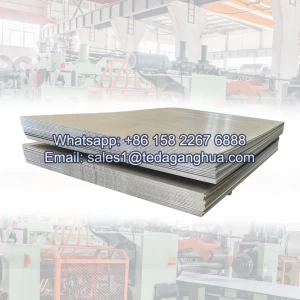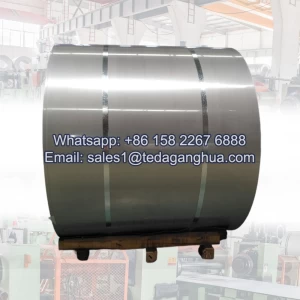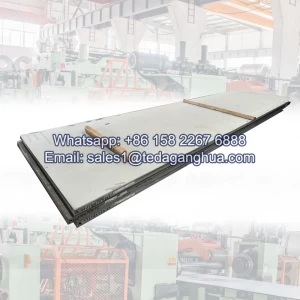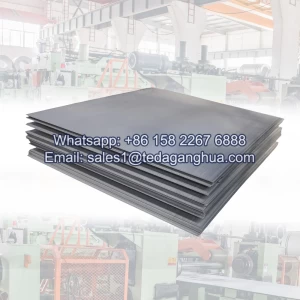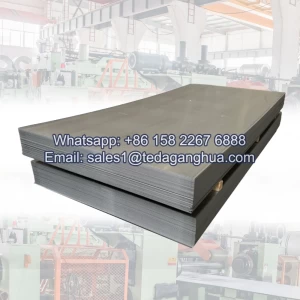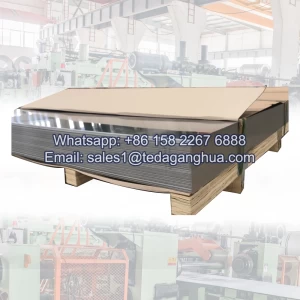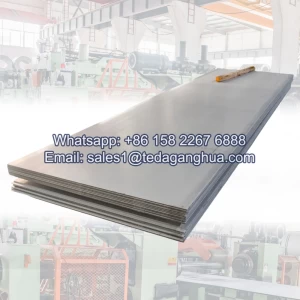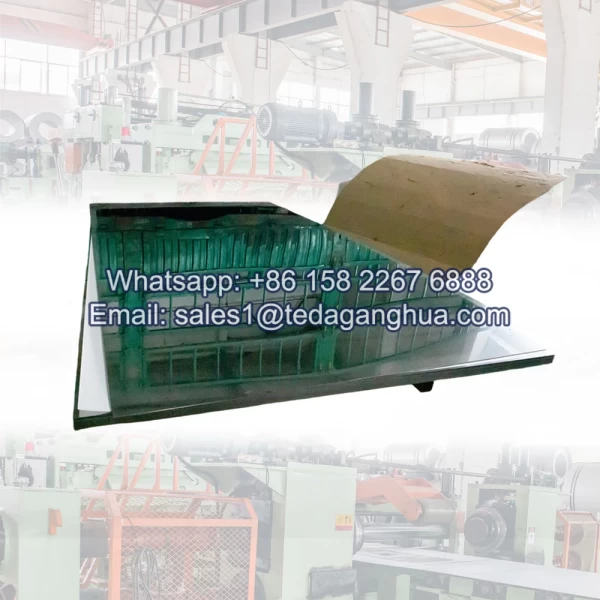

0.2 mm dickes Edelstahlblech


A 0.2 mm stainless steel sheet is an ultra-thin metal sheet that sits between standard stainless steel sheets and stainless steel foil. Compared with foil, it offers significantly better strength, stability, and processing capability while still maintaining a very thin profile.
Zusammenfassend:
- Stainless steel foil = extremely thin, flexibel, non-structural material
- 0.2 mm stainless steel sheet = ultra-thin but still structurally usable sheet material
- Beschreibung
A 0.2 mm dickes Edelstahlblech is considered an ultra-thin stainless steel product widely used in precision applications, Elektronik, Automobilkomponenten, dekorative Paneele, and filtration systems. At this thickness level, stainless steel is close to the boundary between dünnes Blech Und metal foil, so understanding the difference between 0.2 mm sheet and stainless steel foil is important for material selection.
Was ist 0.2 mm Edelstahlblech?
A 0.2 mm stainless steel sheet is a rolled stainless steel product with a thickness of 0.2 Millimeter. It still maintains a continuous sheet structure with enough strength for forming, Schneiden, and light stamping.
It is commonly produced in grades such as:
- 304 Edelstahl
- 316 Edelstahl
- 301 Edelstahl
- 430 Edelstahl
Unterschied zwischen 0.2 mm Stainless Steel Sheet and Stainless Steel Foil
Although both are very thin, they are defined differently based on thickness, mechanische Festigkeit, and application.
1. Thickness Classification
| Materialtyp | Dickenbereich |
|---|---|
| Stainless Steel Foil | ≤ 0.05 mm (very thin) |
| Ultra-thin Stainless Sheet | 0.05 – 0.5 mm |
| 0.2 mm Edelstahlblech | 0.2 mm |
| Standard Stainless Sheet | ≥ 0.5 mm |
0.2 mm is generally classified as ultra-thin sheet, not foil.
2. Mechanische Festigkeit
| Eigentum | 0.2 mm Blatt | Stainless Steel Foil |
|---|---|---|
| Stärke | Mäßig | Very low |
| Rigidity | Can maintain shape | Easily deformed |
| Load Capacity | Light structural use | No structural use |
| Handhabung | Requires tooling | Can tear easily |
0.2 mm sheet still has usable structural integrity, while foil is mainly non-structural.
3. Processing Capability
| Verfahren | 0.2 mm Blatt | Stainless Steel Foil |
|---|---|---|
| Schneiden | Laser, shear cutting | Manual tearing or precision cutting |
| Biegen | Easy micro bending | Very limited |
| Stempeln | Possible light stamping | Not suitable |
| Schweißen | Possible (thin welding) | Rarely used |
4. Anwendungsunterschiede
Stainless Steel Foil Applications
- Thermal insulation layers
- Battery and electronic shielding
- Food packaging
- Flexible heat shields
- Laboratory materials
0.2 mm Stainless Steel Sheet Applications
- Precision electronic housings
- Decorative metal panels
- Automotive interior trim
- Filter mesh base materials
- Thin structural covers
- Nameplates and signage
5. Surface and Durability
| Besonderheit | 0.2 mm Blatt | Stainless Steel Foil |
|---|---|---|
| Surface Stability | Gut | Sehr zart |
| Scratch Resistance | Mäßig | Niedrig |
| Korrosionsbeständigkeit | Exzellent (304/316) | Exzellent |
| Service Life | Long-term use | Short to medium term |
Gängige Edelstahlsorten für 0.2 mm Blatt
| Grad | Eigenschaften | Anwendung |
|---|---|---|
| 304 | Allgemeine Korrosionsbeständigkeit, gute Formbarkeit | Industrial and decorative use |
| 316 | Erhöhte Korrosionsbeständigkeit (Marinequalität) | Chemical and marine environments |
| 301 | Hohe Festigkeit nach Kaltumformung | Präzisionskomponenten |
| 430 | Ferritic stainless, magnetisch | Decorative and appliance use |
Vorteile von 0.2 mm Edelstahlblech
| Besonderheit | Nutzen |
|---|---|
| Ultra-thin structure | Suitable for precision applications |
| Good strength retention | More stable than foil |
| Ausgezeichnete Korrosionsbeständigkeit | Lange Lebensdauer |
| Gute Formbarkeit | Suitable for bending and stamping |
| Leicht | Easy integration into assemblies |