AISI 316 Stainless Steel Sheet: Why It’s the Preferred Choice for Durability and Corrosion Resistance
AISI 316 Stainless Steel Sheet: Why It’s the Preferred Choice for Durability and Corrosion Resistance
When it comes to materials that combine strength, durability, and corrosion resistance, AISI 316 stainless steel stands out as a top choice in many industries. This versatile alloy, widely used in a variety of applications, offers superior resistance to rust and corrosion, making it the go-to material for demanding environments. In this blog post, we’ll explore the features, benefits, and applications of AISI 316 stainless steel sheet.
What is AISI 316 Stainless Steel?
AISI 316 stainless steel is austenitic steel, part of the 300 series of stainless steels. Known for its excellent resistance to corrosion, particularly against chlorides and other corrosive materials, 316 stainless steel is often referred to as “marine grade” because of its high resistance to saltwater and other aggressive environments. The alloy primarily consists of iron, with 16-18% chromium, 10-14% nickel, and 2-3% molybdenum, which enhances its resistance to pitting and crevice corrosion.
Key Features of AISI 316 Stainless Steel
- Superior Corrosion Resistance
AISI 316 is best known for its outstanding corrosion resistance, especially in environments exposed to high concentrations of chloride ions, such as seawater or industrial chemicals. This makes it ideal for marine environments, as well as for use in chemical processing and pharmaceutical industries. - High Strength and Durability
Like other austenitic stainless steels, AISI 316 has excellent tensile strength, which helps it maintain structural integrity under stress. Its durability allows it to withstand harsh weather conditions and high-pressure environments without deteriorating quickly. - Temperature Resistance
AISI 316 stainless steel can perform well at both high and low temperatures. It maintains its strength at elevated temperatures and is resistant to scaling and oxidation. This makes it suitable for applications that involve fluctuating temperatures, such as heat exchangers or engine components. - Ease of Fabrication
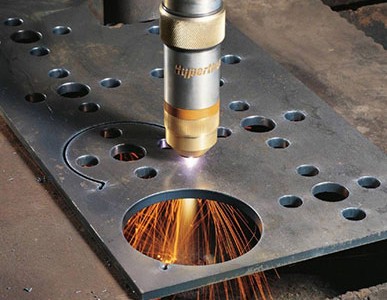
AISI 316 is relatively easy to weld, form, and machine compared to other stainless steels, which makes it a practical choice for a wide range of manufacturing processes. This makes it a preferred material in many industries, as it can be easily tailored to specific needs. - Non-reactive Properties
AISI 316 is highly resistant to chemical attacks from a wide range of acids, including sulfuric and hydrochloric acids, which makes it invaluable in industries like food processing, pharmaceuticals, and chemical manufacturing.
Benefits of AISI 316 Stainless Steel Sheets
- Long-Term Durability: Due to its exceptional resistance to corrosion, AISI 316 stainless steel sheet is built to last in environments where ordinary steel would corrode and fail. This reduces maintenance costs and extends the lifespan of products made from this material.
- Aesthetic Appeal: AISI 316 stainless steel has a sleek, shiny surface that maintains its appearance over time, even in harsh environments. This makes it a popular choice for both functional and decorative applications, such as architectural panels and kitchen equipment.
- Cost-Effective in the Long Run: While AISI 316 stainless steel may have a higher upfront cost compared to other materials, its durability and low maintenance requirements make it a cost-effective choice over time. Fewer replacements and repairs are necessary, leading to significant savings in the long term.
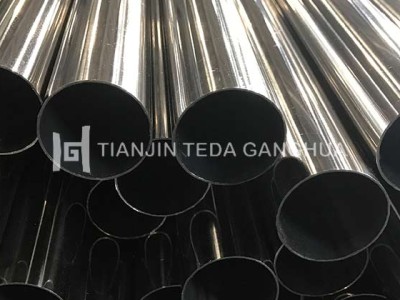
| Product Name | 316 Stainless Steel Pipe | |
| Type | Steel Pipe | |
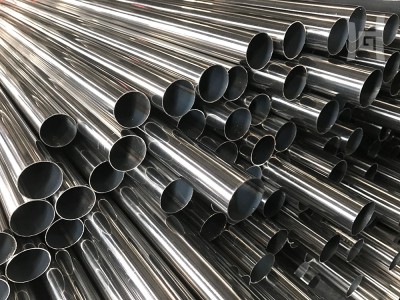
| Outer diameter | Round Tube | 4mm-200mm |
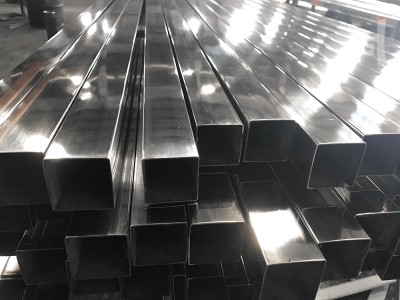
| Square Tube | 10*10mm-100*100mm | |
| Rectangular Tube | 10*20mm-50*100mm | |
| Wall Thickness | 0.6mm-6.0mm | |
| Length | 1-6 meters, Length can be customized | |
| Standard | ASTM, AISI, JIS, GB, DIN, EN, etc. | |
| Surface | Black, Bright Polished, Rough Turning, Matt Surface Treatment, No. 4. BA, etc. | |
| Scope of Application | Common applications for stainless steel pipes include food processing,
Textile operations, Breweries, Water treatment plants, Oil and gas processing, Fertilizers and pesticides, Chemical applications, Construction, Pharmaceuticals, Auto parts, etc. |
|
| Certificate | ISO, BV, etc. | |
| Production Technology | Hot Rolling, Cold Rolling | |
| Edge Processing | Edging, Trimming | |
Common Applications of AISI 316 Stainless Steel Sheets
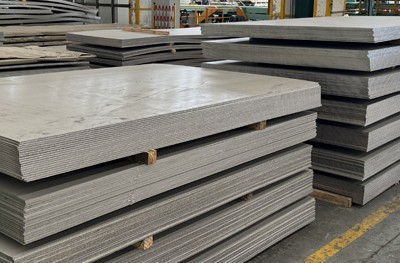
AISI 316 stainless steel sheet is used across a wide range of industries where strength, corrosion resistance, and reliability are paramount. Here are some of the most common applications:
- Marine and Coastal Applications
Due to its exceptional resistance to saltwater corrosion, AISI 316 is commonly used in the marine industry for boat hulls, propellers, railings, and other marine equipment. It’s also widely used in coastal infrastructure like bridges and offshore platforms. - Chemical and Pharmaceutical Processing
The high corrosion resistance and non-reactive properties of AISI 316 make it ideal for use in chemical processing equipment, pharmaceutical manufacturing, and food production. Common applications include reaction vessels, storage tanks, and piping systems. - Medical Devices
AISI 316 stainless steel is commonly used in the production of medical instruments and implants, such as surgical tools, dental implants, and joint replacements. Its biocompatibility and resistance to corrosion make it a safe and reliable material for medical applications. - Architectural and Construction
AISI 316 stainless steel sheets are often used in the construction of buildings, bridges, and facades, especially in coastal areas. The material’s aesthetic appeal and durability make it ideal for both interior and exterior architectural applications. - Food and Beverage Industry
The food industry requires materials that are both durable and resistant to contamination. AISI 316 is frequently used in the construction of food processing equipment, storage tanks, and surfaces that come into contact with food products due to its resistance to corrosion and ease of cleaning. - Heat Exchangers
In industries like power generation and HVAC, AISI 316 stainless steel is used for heat exchangers that are exposed to extreme temperatures and corrosive environments. Its thermal stability and resistance to oxidation ensure efficient and reliable performance.
Conclusion
AISI 316 stainless steel sheet is a highly versatile, durable, and corrosion-resistant material that excels in environments where other materials might fail. From marine and chemical industries to medical and architectural applications, AISI 316’s strength, resistance to corrosion, and ability to withstand extreme conditions make it the material of choice for demanding applications. If you’re looking for a reliable material that combines durability with aesthetic appeal, AISI 316 stainless steel sheet is the perfect solution.
Whether you are designing marine equipment, constructing a new building, or manufacturing medical devices, AISI 316 stainless steel offers the performance and longevity you need.