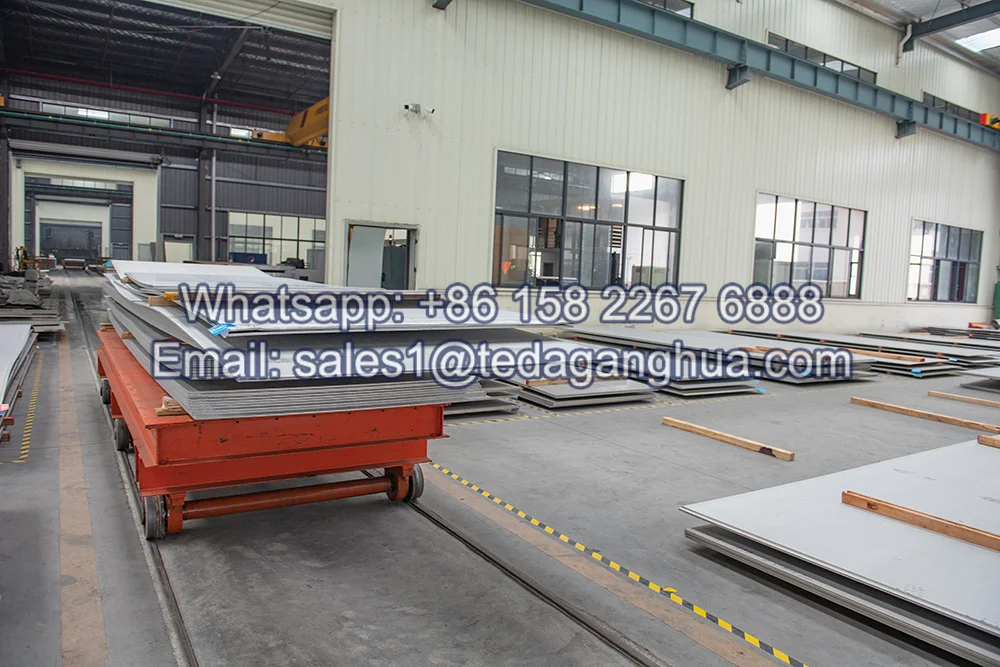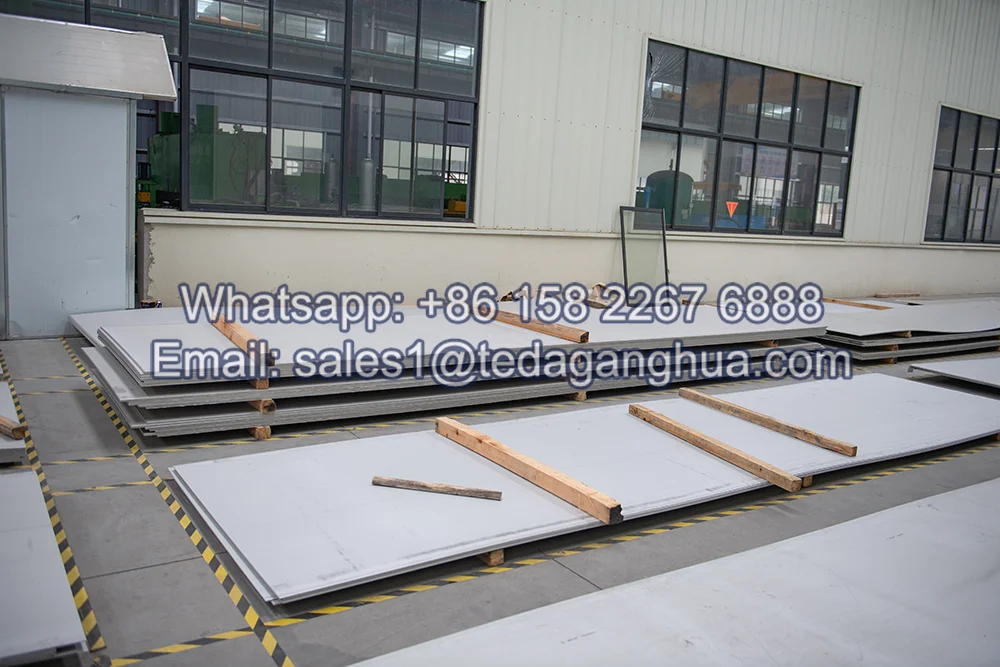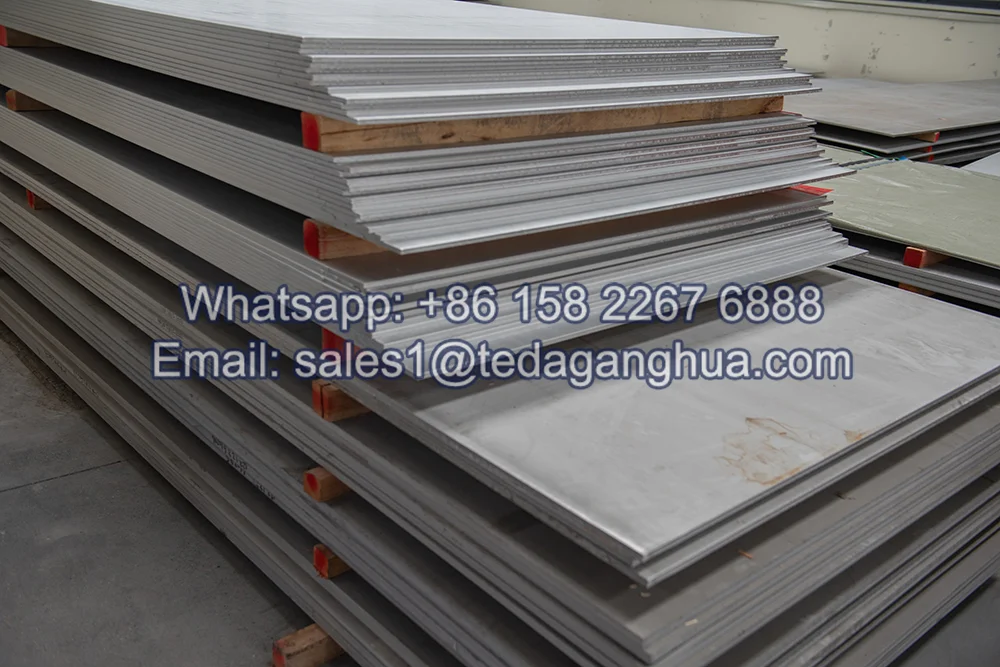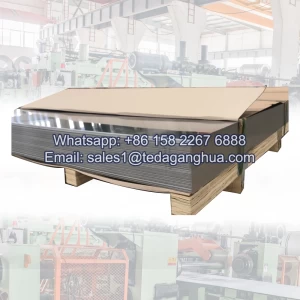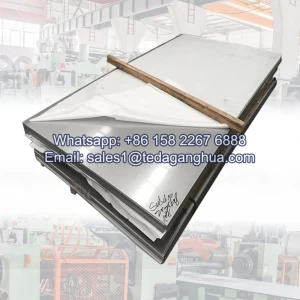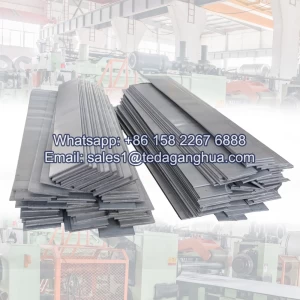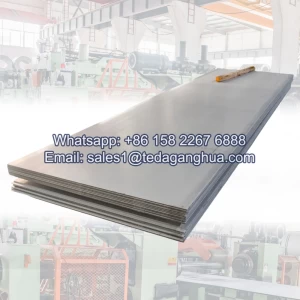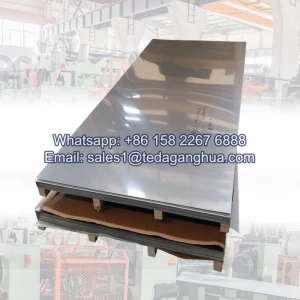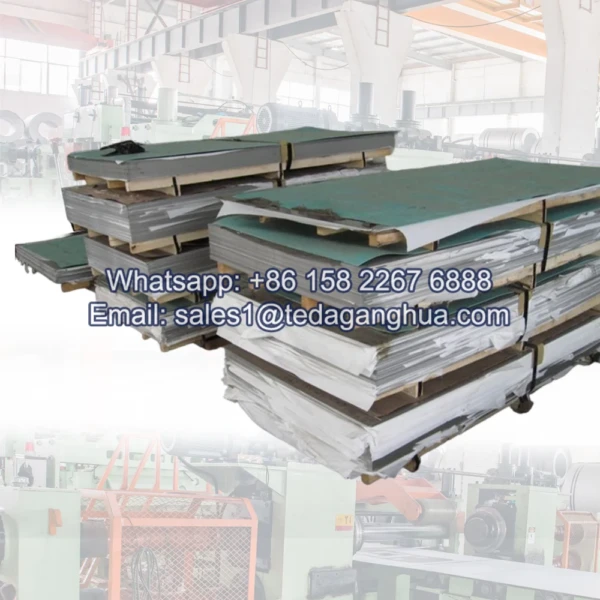
24 仪表不锈钢金属板

24 gauge stainless steel sheet metal has a nominal thickness of approximately 0.6 毫米, but the actual thickness varies according to production tolerance standards. 大多数情况下, the actual thickness range is approximately 0.55 毫米至 0.65 mm depending on manufacturing precision and international standards.
- 描述
24 gauge stainless steel sheet metal is a thin stainless steel material widely used in HVAC systems, 厨房设备, 装饰板, 精密制造, 和轻工业应用. Because stainless steel sheet thickness is affected by manufacturing tolerances and different gauge standards, the actual thickness may vary slightly from the nominal gauge value.
Understanding the tolerance range of 24 gauge stainless steel is important for fabrication accuracy, 焊接, 弯曲, and assembly applications.
1. Nominal Thickness of 24 不锈钢表
Under common stainless steel gauge systems:
| 测量 | 标称厚度 |
|---|---|
| 24 不锈钢表 | 大约 0.6 毫米 (0.0239 英寸) |
然而, the actual thickness may vary according to:
- ASTM tolerance standards
- Manufacturing process
- Cold rolling accuracy
- Surface finish type
- 材质等级
2. Actual Thickness Tolerance Range
For cold rolled stainless steel sheets, thickness tolerance is generally controlled within a specified range.
Typical Actual Thickness Range for 24 不锈钢表
| 标称厚度 | 典型公差 | Actual Thickness Range |
|---|---|---|
| 0.60 毫米 | ±0.03 mm to ±0.05 mm | 0.55 毫米 - 0.65 毫米 |
| 0.0239 英寸 | ±0.001–0.002 inch | 0.022–0.026 inch |
The exact tolerance depends on:
- International standards
- Production mill capability
- Sheet width and length
- 表面光洁度要求
3. Influence of Cold Rolling Process
24 gauge stainless steel is typically produced using cold rolling.
Characteristics of cold rolled stainless steel:
- Better thickness precision
- Improved surface smoothness
- More stable dimensional control
- Better flatness compared with hot rolled material
Because of the thin thickness, precision rolling control is especially important.
4. Thickness Difference by Stainless Steel Grade
Different stainless steel grades may have slight thickness variation due to rolling characteristics.
Common grades available in 24 测量:
- 304 不锈钢
- 304L 不锈钢
- 316 不锈钢
- 430 不锈钢
Austenitic grades such as 304 和 316 generally maintain good thickness uniformity during cold rolling.
5. Why Actual Thickness Matters
Even small thickness variations can affect:
- CNC bending accuracy
- Welding performance
- Laser cutting settings
- Assembly fit-up
- Structural rigidity
- Weight calculations
Thin stainless steel sheets require accurate thickness control for precision fabrication.
6. 常用宽度和长度规格
24 gauge stainless steel sheet metal is commonly available in:
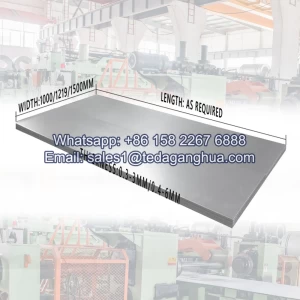
| 宽度 | 长度 |
|---|---|
| 1000 毫米 | 2000 毫米 |
| 1219 毫米 | 2438 毫米 |
| 1500 毫米 | 3000 毫米 |
Custom cut sizes are also widely used in fabrication industries.
7. Processing Characteristics of 24 不锈钢表
Because the material is relatively thin:
- Easy to bend and form
- Suitable for precision laser cutting
- Requires careful handling to prevent deformation
- Surface scratches are more visible
- Welding heat input must be controlled carefully
常用加工方法:
- 激光切割
- 数控折弯
- 氩弧焊
- 冲孔和穿孔
- 表面抛光