医用级不锈钢制造: 316L 不锈钢植入物的激光切割标准
医用级不锈钢制造: Laser Cutting Standards for 316L Implants
Medical grade stainless steel fabrication requires extremely high standards in precision, 清洁度, and material consistency. Among all stainless steel grades, 316L 不锈钢 is one of the most widely used materials for surgical implants, orthopedic devices, and medical instruments because of its excellent 生物相容性, 耐腐蚀性, and low carbon content.
When manufacturing implant components, laser cutting plays a critical role in achieving precise geometries, 严格的公差, and superior surface quality while maintaining the integrity of the material.
1. Why 316L Stainless Steel Is Used for Implants
| 财产 | Medical Advantage |
|---|---|
| 低碳含量 | 降低晶间腐蚀的风险 |
| 高腐蚀性 | Stable in body fluid environments |
| Excellent biocompatibility | Suitable for implant applications |
| 良好的成型性 | 精密制造的理想选择 |
These characteristics make 316L a preferred material for long-term implantable components.
2. Laser Cutting Standards for 316L Implants
Laser cutting standards for medical implants focus on dimensional precision, heat control, and contamination prevention.
| Standard Requirement | Target Performance |
|---|---|
| 尺寸公差 | High precision for implant fit |
| 热影响区 (热影响区) | Minimal to preserve material properties |
| Edge quality | Burr-free and smooth finish |
| Surface cleanliness | No contamination or oxidation |
Maintaining these standards ensures implant safety and performance during long-term clinical use.
3. Key Laser Cutting Parameters
- Laser power optimized for thin and precision-cut sections
- Controlled cutting speed to minimize thermal distortion
- High-purity assist gas for oxidation prevention
- Stable beam focus for fine-edge cutting accuracy
Proper process control helps maintain both cutting efficiency and product quality.
4. Common Challenges in Medical Fabrication
| 挑战 | 影响 |
|---|---|
| Excessive heat input | Microstructural changes and reduced corrosion resistance |
| Poor edge finish | Requires additional polishing |
| Surface contamination | Potential biocompatibility concerns |
| Dimensional deviation | Implant fit failure risk |
5. Post-Cutting Quality Requirements
After laser cutting, implant-grade 316L components typically undergo strict post-processing procedures:
- Deburring and edge refinement
- 表面抛光
- Passivation treatment
- Dimensional inspection
- Cleanroom packaging preparation
6. Applications of Laser-Cut 316L Medical Components
- Orthopedic implant parts
- Surgical fixation devices
- Medical brackets and supports
- Precision surgical tools
- Custom implant components
7. 泰达钢华不锈钢供货能力
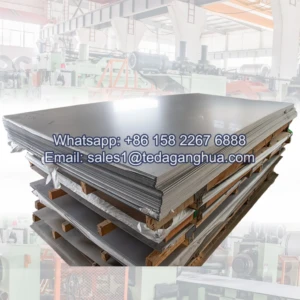
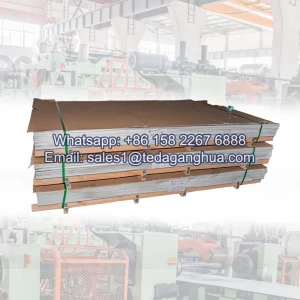
作为专业的不锈钢供应商, Teda Ganghua provides high-quality 316L stainless steel plates suitable for medical-grade fabrication and precision laser cutting applications. Our materials feature stable composition, 优异的平整度, and reliable corrosion resistance for high-standard manufacturing requirements.
We support customized cutting, 表面处理, and strict quality control for demanding industrial and medical applications.
在这里探索我们的不锈钢产品:
不锈钢板产品
结论
Laser cutting standards are critical in medical grade stainless steel fabrication, especially for 316L implant applications. 精确, 清洁度, and strict process control ensure safe, 可靠的, and high-performance implant manufacturing.