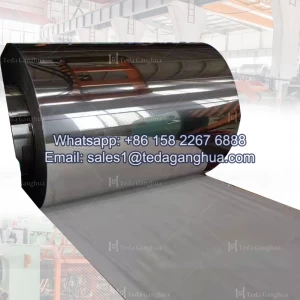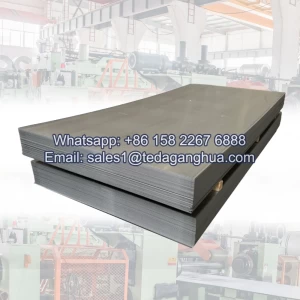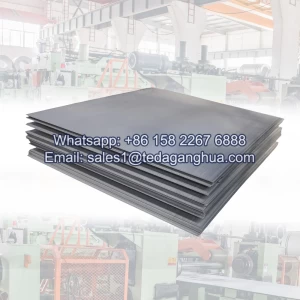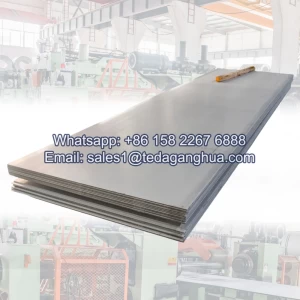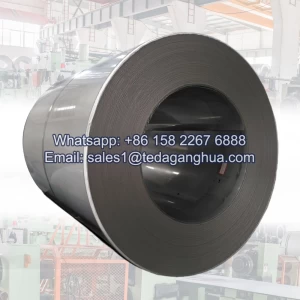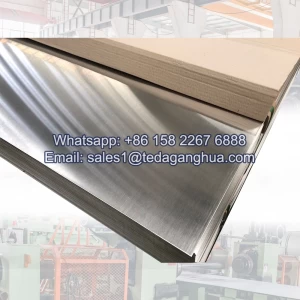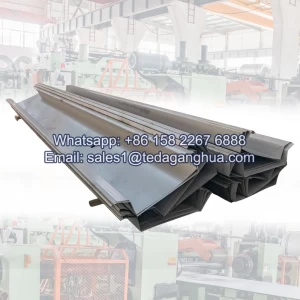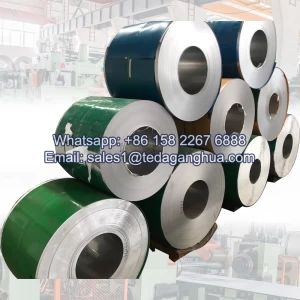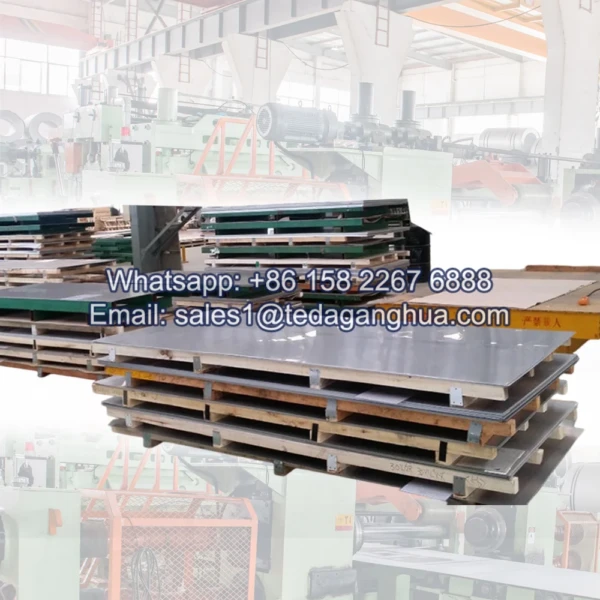

1 4 英寸 316 不锈钢板
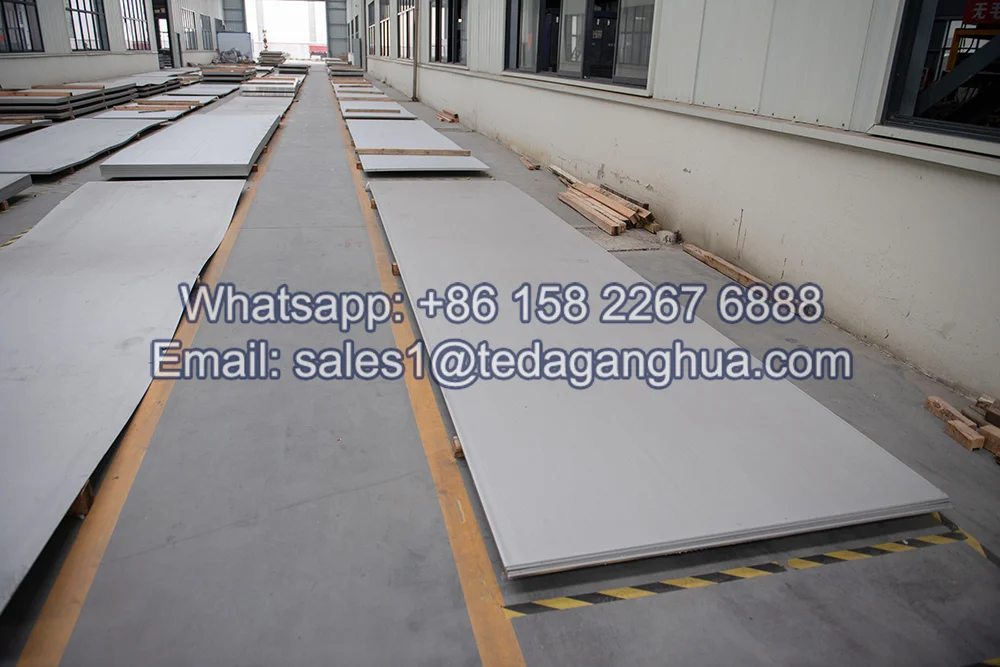
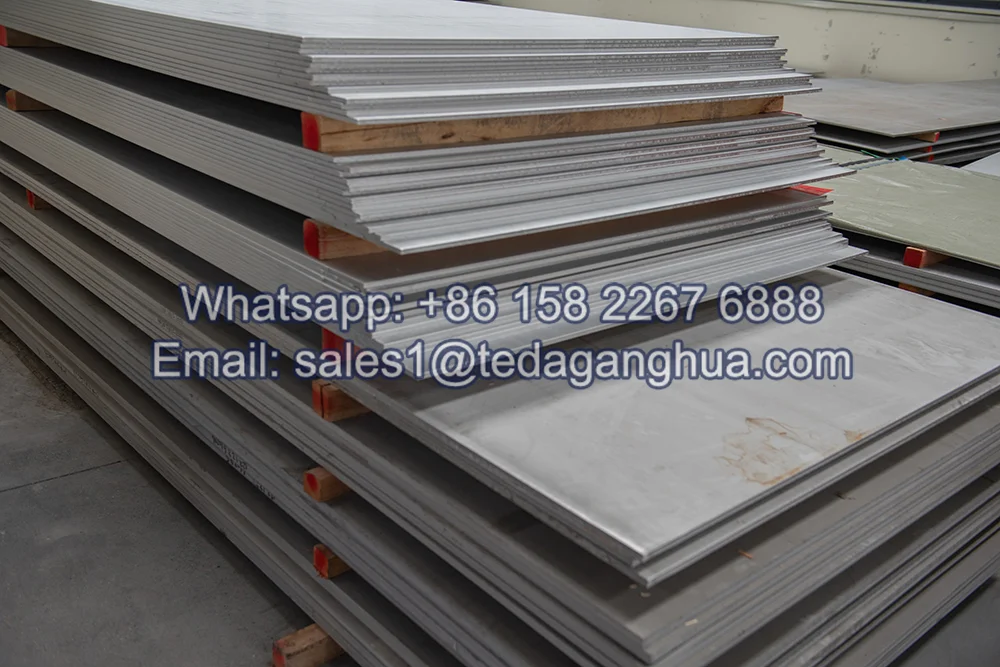
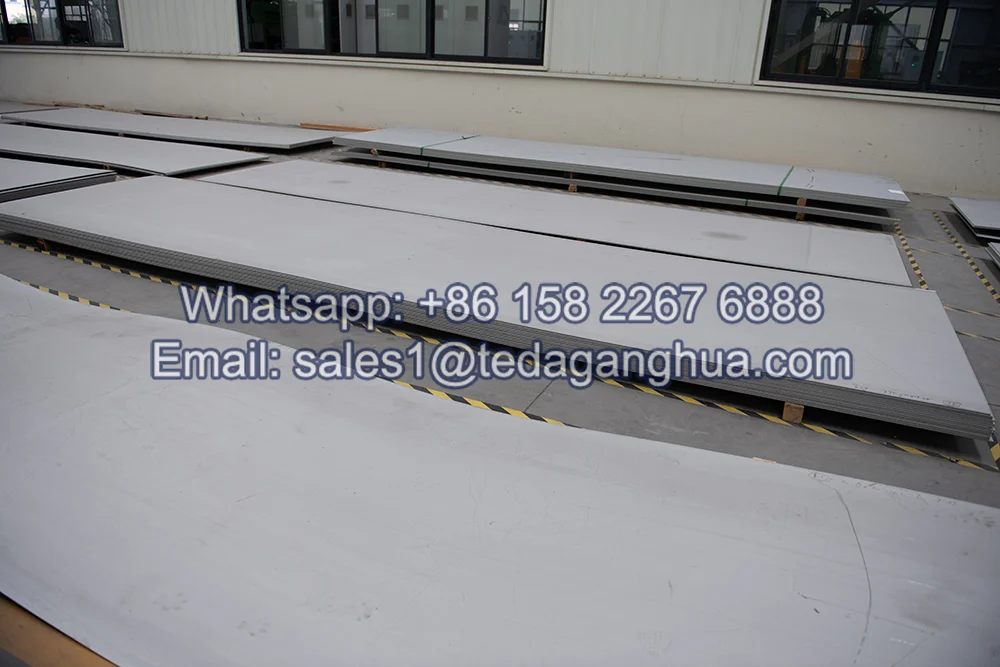
1/4 英寸 316 不锈钢板是一种广泛使用的中等厚度耐腐蚀材料,通常在热轧和冷轧条件下供应. 然而, 在 6.35 毫米厚度, 热轧生产更为常见,因为它更经济且更适合重工业应用.
冷轧 316 此厚度的不锈钢可提供更光滑的表面和更好的尺寸精度, 而热轧板成本更低,更适合结构和重型制造应用.
- 描述
1/4 英寸 316 不锈钢板是一种中等厚度的耐腐蚀不锈钢材料,广泛应用于化学加工, 海洋工程, 食品设备, 压力容器, 和工业制造. 厚度为 1/4 英寸大约是 6.35 毫米, 在不锈钢生产中被认为是中等板材规格.
在这个厚度下, both hot rolled and cold rolled manufacturing processes may be used, but there are significant differences in production capability, 表面质量, 尺寸精度, 机械性能, 和成本.
1. Standard Thickness of 1/4 英寸 316 不锈钢板
| Imperial Size | Metric Thickness |
|---|---|
| 1/4 英寸 | 6.35 毫米 |
This thickness is commonly used for:
- 结构制造
- 化学罐
- 船用设备
- 工业机械
- Heavy-duty stainless steel components
2. 特点 316 不锈钢
316 stainless steel is an austenitic stainless steel containing molybdenum (莫), which improves corrosion resistance in chloride and marine environments.
典型化学成分
| 元素 | 主要功能 |
|---|---|
| 铬 (铬) | 耐腐蚀 |
| 镍 (在) | Toughness and stability |
| 钼 (莫) | Chloride corrosion resistance |
| 碳 (C) | Strength control |
主要功能
- 优异的耐腐蚀性
- 良好的焊接性
- 抗氯化物环境能力强
- 良好的高温性能
3. 能 1/4 Inch Stainless Steel Be Cold Rolled?
是的, but there are practical limitations.
冷轧 316 不锈钢
Cold rolling is mainly used for:
- Thin and medium-thickness stainless steel sheets
- 表面质量要求高
- Tight dimensional tolerances
在 6.35 毫米厚度:
- Cold rolling becomes more difficult
- Rolling pressure increases significantly
- Production cost rises
所以, most 1/4 inch stainless steel plates are produced using hot rolling, while some precision applications may use cold rolled processing.
4. Hot Rolled vs Cold Rolled 1/4 英寸 316 不锈钢
| 财产 | 热轧 | 冷轧 |
|---|---|---|
| 表面处理 | 粗糙 | 更顺畅 |
| 厚度精度 | 降低 | 更高 |
| 平整度 | 缓和 | 更好的 |
| Production Cost | 降低 | 更高 |
| 可用厚度 | Suitable for heavy plates | Better for thin sheets |
| Surface Finish Type | 1号 | 2乙 / 学士 |
| 成型性 | 好的 | Better precision |
| 内应力 | 降低 | Higher after rolling |
5. Surface Difference
Hot Rolled Surface
- Usually No.1 finish
- Rough gray industrial appearance
- Suitable for heavy engineering applications
Cold Rolled Surface
- Usually 2B or BA finish
- Smooth and brighter surface
- Better for decorative or precision fabrication
为了 1/4 inch thickness, hot rolled No.1 finish is much more common in the industrial market.
6. Mechanical Property Difference
热轧 316 盘子
- 更好的内部结构稳定性
- Lower residual stress
- Suitable for welding and heavy fabrication
冷轧 316 盘子
- Higher strength from work hardening
- Better dimensional accuracy
- More suitable for precision fabrication
7. Processing Difference
热轧 1/4 Inch Plate
Common processing:
- 等离子切割
- 重型焊接
- 结构制造
- 工业机械加工
冷轧 1/4 英制板材
Common processing:
- 精密激光切割
- 数控折弯
- 装饰制作
- 精密组装作业
8. 常用宽度和长度规格
| 宽度 | 长度 |
|---|---|
| 1219 毫米 | 2438 毫米 |
| 1500 毫米 | 3000 毫米 |
| 1500 毫米 | 6000 毫米 |
| 2000 毫米 | 6000 毫米 |
定制切割尺寸也广泛可用.
9. 哪个过程更常见 1/4 英制厚度?
为了 1/4 英寸 (6.35 毫米) 316 不锈钢:
- 热轧生产较为普遍
- 由于加工难度和成本较高,冷轧生产不太常见
通常仅在以下情况下才选择冷轧材料::
- 需要更好的表面光洁度
- 需要更高的尺寸精度
- 外观装饰很重要