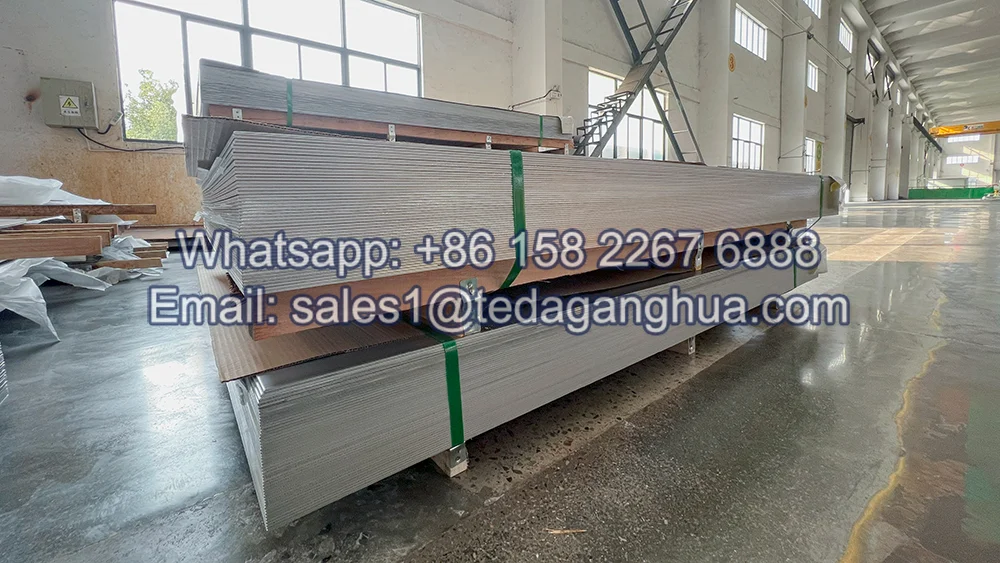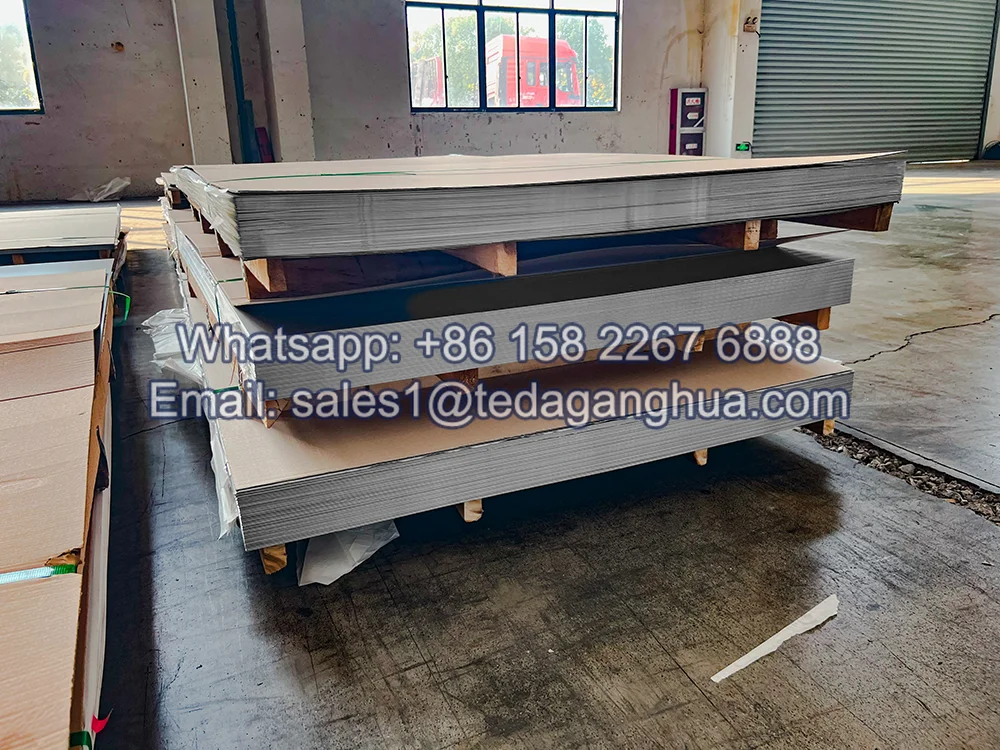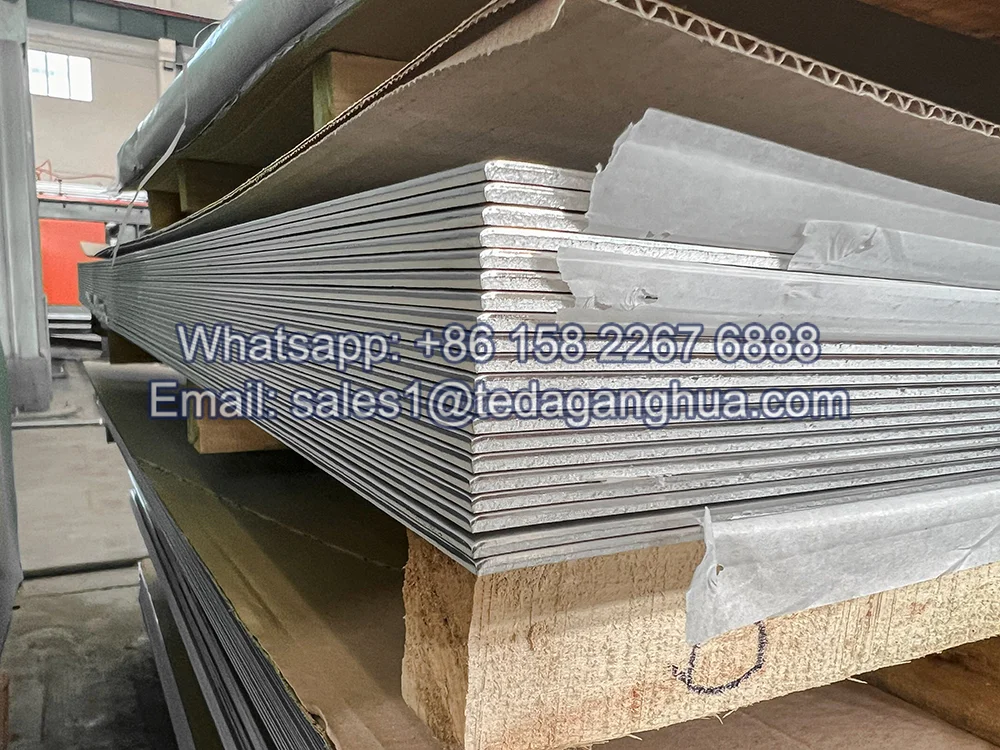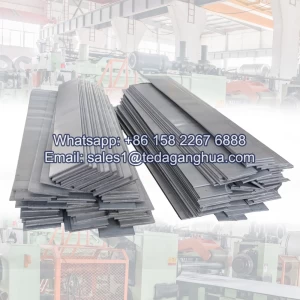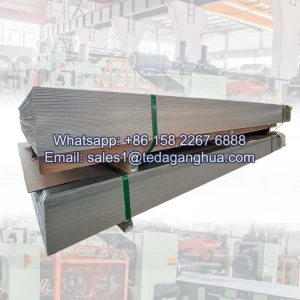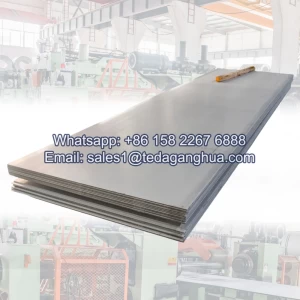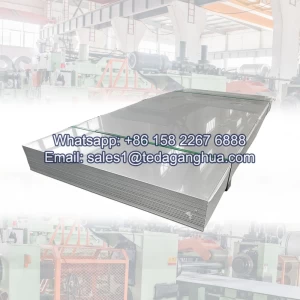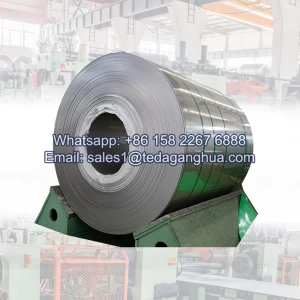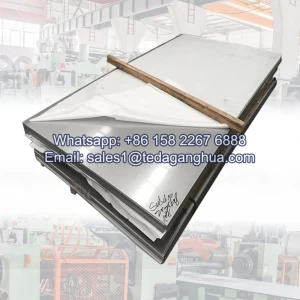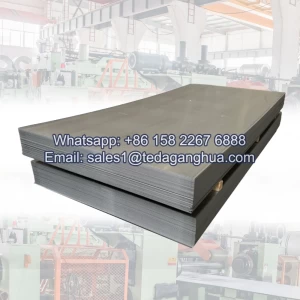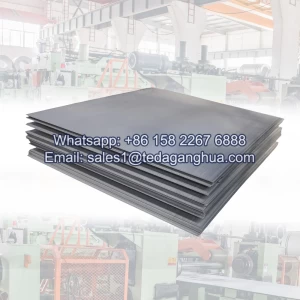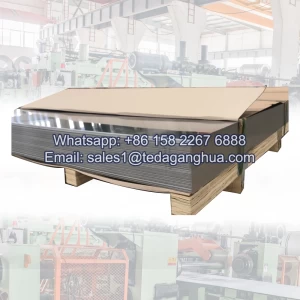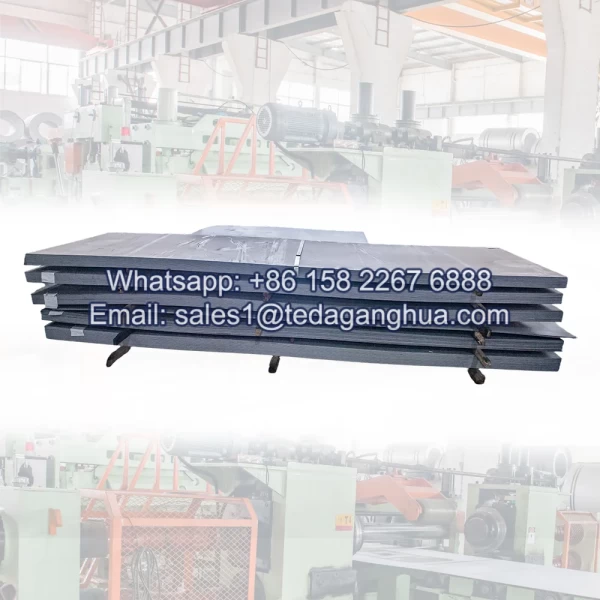
420 ขายแผ่นสแตนเลส
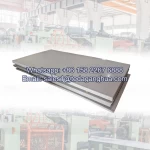
420 stainless steel sheet is a high-carbon martensitic stainless steel designed for applications requiring ความแข็ง, ความแข็งแกร่ง, และทนต่อการสึกหรอ. Its ability to be heat treated makes it ideal for เครื่องมือตัด, ส่วนประกอบทางอุตสาหกรรม, and precision mechanical parts.
- คำอธิบาย
420 stainless steel sheet is a สแตนเลสมาร์เทนซิติก เป็นที่รู้จักในเรื่องของมัน ความแข็งสูง, good wear resistance, and ability to be heat treated. It is often referred to as a “cutlery-grade” stainless steel due to its excellent edge retention after hardening.
มันถูกใช้กันอย่างแพร่หลายในการใช้งานที่ strength and hardness are more important than corrosion resistance.
องค์ประกอบทางเคมีของ 420 สแตนเลส
Typical Composition Range
| องค์ประกอบ | เนื้อหา (%) |
|---|---|
| โครเมียม (Cr) | 12.0 – 14.0 |
| คาร์บอน (ค) | 0.15 – 0.40 |
| แมงกานีส (มน) | ≤ 1.0 |
| ซิลิคอน (และ) | ≤ 1.0 |
| ฟอสฟอรัส (ป) | ≤ 0.04 |
| กำมะถัน (ส) | ≤ 0.03 |
Key Composition Features
- Higher carbon content กว่า 410 improves hardness and strength
- ปริมาณโครเมียม provides basic corrosion resistance
- No significant nickel content, keeping cost relatively moderate
สมบัติทางกลของ 420 แผ่นสแตนเลส
| เงื่อนไข | ความแข็ง | ความต้านแรงดึง |
|---|---|---|
| อบอ่อน | ~180–220 HB | ~600 MPa |
| Hardened & Tempered | สูงถึง 50–55 HRC | 700–900 MPa |
ลักษณะการทำงาน
- Excellent hardness after heat treatment
- ทนต่อการสึกหรอและการเสียดสีได้ดี
- Moderate strength and toughness
- Lower ductility compared to austenitic stainless steels
ความสามารถในการบำบัดความร้อน
420 stainless steel can be hardened by heat treatment, which is one of its key advantages.
Typical Heat Treatment Process
- การแข็งตัว: 980–1050°C → quenching
- การแบ่งเบาบรรเทา: 150–400°C depending on required hardness
ผลลัพธ์:
- Increased hardness and strength
- Improved wear resistance
ความต้านทานการกัดกร่อน
420 ข้อเสนอสแตนเลส ความต้านทานการกัดกร่อนปานกลาง, but it is lower than grades like 304 หรือ 316.
Performance Overview
- เหมาะสำหรับ แห้ง, ในร่ม, or mildly corrosive environments
- Limited resistance to:
- Chlorides
- Acids
- สภาพแวดล้อมทางทะเล
บันทึก:
Polished surfaces improve corrosion resistance performance.
Fabrication and Processing
เครื่องจักรกล
- Good machinability in annealed condition
- Harder to machine after heat treatment
การเชื่อม
- ความสามารถในการเชื่อมมีจำกัด
- Preheating and post-weld heat treatment recommended
การขึ้นรูป
- Limited formability compared to austenitic grades
- Best processed before hardening
การใช้งานทั่วไปของ 420 แผ่นสแตนเลส
Cutting and Blade Applications
- Knives and cutlery
- เครื่องมือผ่าตัด
- Scissors and blades
ส่วนประกอบทางอุตสาหกรรม
- Valves and pump parts
- Shafts and gears
- Wear-resistant parts
Tooling and Mechanical Use
- แม่พิมพ์และตาย (light duty)
- Measuring instruments
- Mechanical components requiring hardness
420 vs Other Stainless Steel Grades
| คุณสมบัติ | 420 | 410 | 304 |
|---|---|---|---|
| ปริมาณคาร์บอน | สูงกว่า | ต่ำกว่า | ต่ำมาก |
| ความแข็ง | สูงมาก | ปานกลาง | ต่ำ |
| ความต้านทานการกัดกร่อน | ปานกลาง | ปานกลาง | ยอดเยี่ยม |
| รักษาความร้อนได้ | ใช่ | ใช่ | เลขที่ |
| การใช้งานหลัก | ใบมีด, wear parts | วัตถุประสงค์ทั่วไป | ความต้านทานการกัดกร่อน |
ข้อดีของ 420 แผ่นสแตนเลส
- High hardness after heat treatment
- Excellent wear resistance
- Good polishability (can achieve mirror finish)
- Cost-effective for tooling and blade applications
ข้อจำกัด
- Lower corrosion resistance than austenitic stainless steels
- Reduced ductility and weldability
- Not suitable for highly corrosive environments