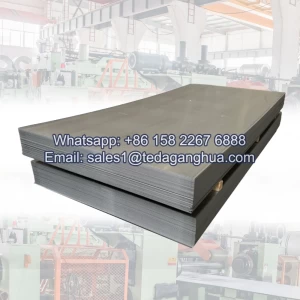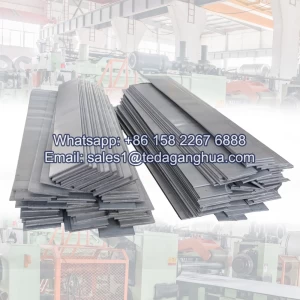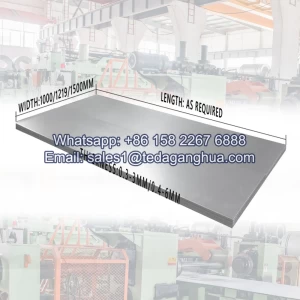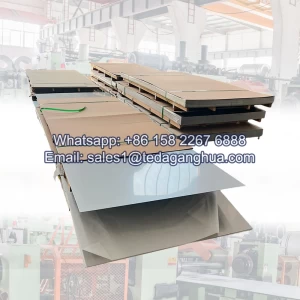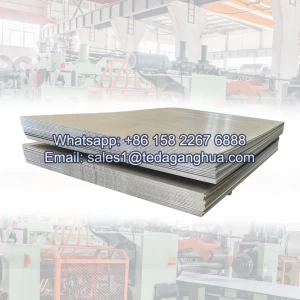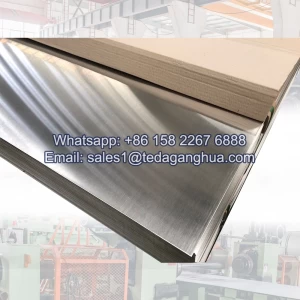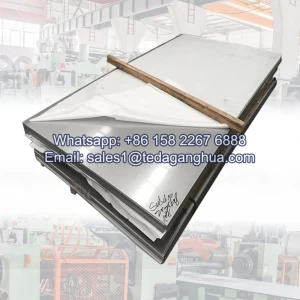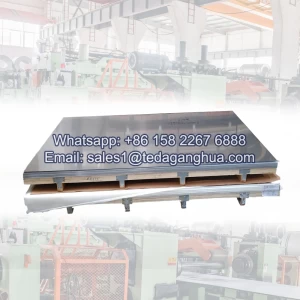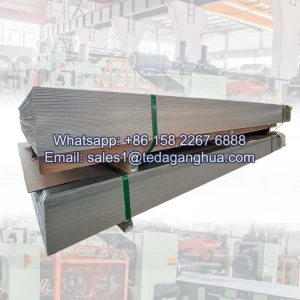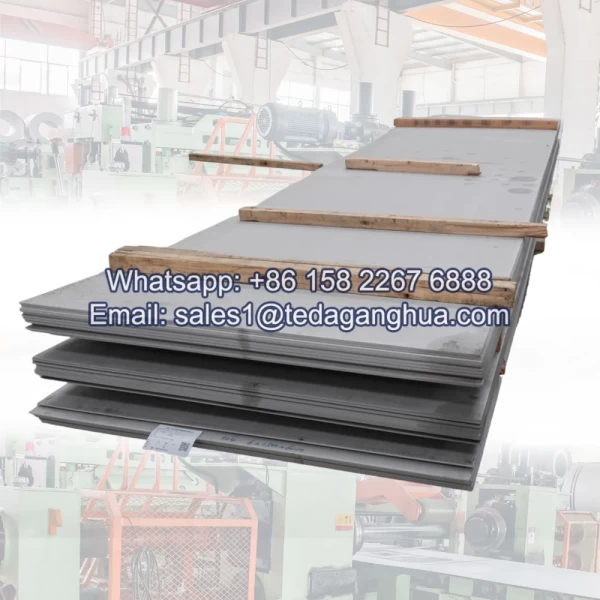
Bahan Lembaran Keluli Tahan Karat
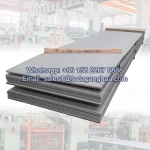
The conversion of stainless steel coil into sheet material is a systematic process combining rolling, penyepuhlindapan, memotong, and leveling. Each step plays a critical role in ensuring that the final stainless steel sheets meet strict requirements for dimensional accuracy, kualiti permukaan, and mechanical performance across various industrial applications.
- Penerangan
Stainless steel sheet material is typically produced from coil form, which is then converted into flat sheets through a series of controlled mechanical and thermal processes. This coil-to-sheet workflow is the standard route in modern stainless steel manufacturing, ensuring efficiency, ketepatan dimensi, dan kualiti permukaan.
Overview of Coil to Sheet Processing
The transformation from stainless steel coil to sheet includes the following key stages:
- Coil production (hot rolled or cold rolled)
- Annealing and surface treatment
- Membelah (if width adjustment is required)
- Pemprosesan potong-ke-panjang
- Leveling and flatness correction
- Inspection and packaging
1. Stainless Steel Coil Production
The process begins with stainless steel coils produced by rolling:
Hot Rolled Coil
- Ketebalan: typically ≥ 3 mm
- Permukaan: rough, oxide scale (No.1 selesai)
- Used for structural and heavy applications
Cold Rolled Coil
- Ketebalan: typically ≤ 3 mm
- Permukaan: licin (2B, BA, atau digilap)
- Used for precision and decorative applications
Coils are preferred because they allow continuous processing and flexible downstream sizing.
2. Annealing and Surface Treatment
After rolling, coils undergo heat treatment and cleaning:
- Penyepuhlindapan
- Mengembalikan kemuluran
- Eliminates internal stress
- Refines grain structure
- Penjerukan
- Removes oxide scale from the surface
- Meningkatkan ketahanan kakisan
Optional processes:
- Penyepuhlindapan terang (for high surface quality)
- Surface polishing or brushing
3. Slitting Process (Width Adjustment)
If narrower widths are required, the coil is slit into strips.
Process Characteristics:
- Rotary blades cut the coil longitudinally
- Multiple strips can be produced simultaneously
- High-speed continuous operation
Kelebihan:
- Kawalan lebar yang tepat
- High material utilization
- Suitable for strip production
4. Cut-to-Length (CTL) – Core Sheet Conversion
Cut-to-length is the main step in converting coils into sheets.
Process Flow:
- Menyahgelap (unwinding the coil)
- Meratakan (removing curvature)
- Precision cutting to specified length
- Automatic stacking
Faedah Utama:
- Custom sheet sizes
- Ketepatan dimensi tinggi
- Efficient batch processing
5. Leveling and Flatness Control
Leveling ensures that sheets are flat and stress-free.
- Multi-roll leveling machines are used
- Internal stresses from rolling are reduced
- Wave defects and edge distortion are minimized
Flatness is critical for:
- Pemotongan laser
- Bending operations
- Welding and fabrication
6. Surface Protection and Finishing
To maintain surface integrity:
- Protective films can be applied
- Edges may be trimmed or deburred
- Additional finishes (cermin, disikat) can be processed
7. Final Inspection and Packaging
Before delivery, sheets are checked for:
- Toleransi ketebalan
- Kecacatan permukaan
- Ketepatan panjang dan lebar
Packaging includes:
- Moisture-proof wrapping
- Palletized stacking
- Anti-scratch protection
Parameter Pemprosesan Utama
| Parameter | Penerangan | Importance |
|---|---|---|
| Kawalan Ketebalan | Determined by rolling process | Core specification |
| Width Accuracy | Controlled during slitting | Ketepatan dimensi |
| Length Tolerance | Controlled in CTL process | Application fit |
| Kerataan | Achieved by leveling | Processing performance |
| Kemasan Permukaan | 2B, BA, No.1, dll. | Functional and aesthetic |
Kelebihan Pemprosesan Coil-to-Sheet
- Flexible size customization
- Kecekapan pengeluaran yang tinggi
- Consistent product quality
- Reduced material waste
- Sesuai untuk bekalan industri berskala besar