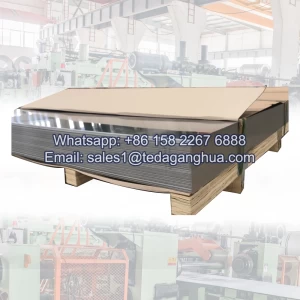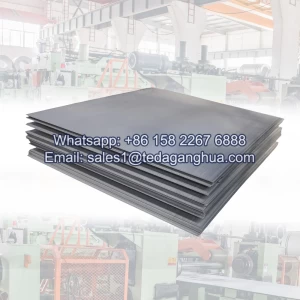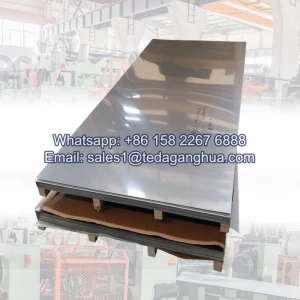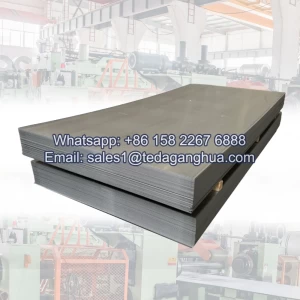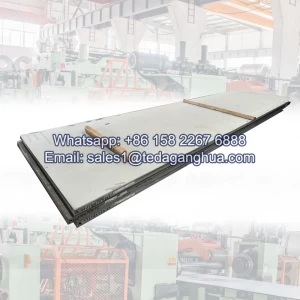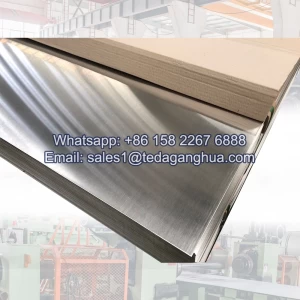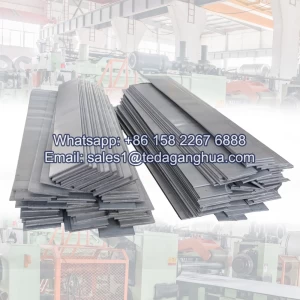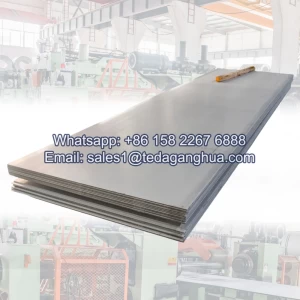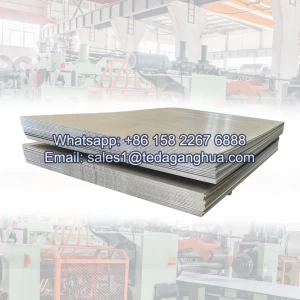

0.25 Lamiera di acciaio inossidabile da mm

0.25 mm stainless steel sheet is an ultra-thin material with excellent corrosion resistance and surface quality, but it presents significant processing challenges due to its low rigidity and high sensitivity to deformation.
Key difficulties include:
- Easy warping and bending during handling
- Strong springback during forming
- High risk of surface damage during clamping
- Complex requirements for cutting and stamping
- Descrizione
UN 0.25 lamiera di acciaio inox mm is an ultra-thin stainless steel material widely used in precision manufacturing, elettronica, pannelli decorativi, and lightweight industrial components. At this thickness, stainless steel offers good corrosion resistance and surface quality, ma è processing difficulty increases significantly due to low rigidity and high sensitivity to deformation.
It is commonly made from grades such as 304, 316, 301, E 430 acciaio inossidabile.
Perché 0.25 mm Stainless Steel Is Difficult to Process
Ultra-thin stainless steel sheets behave very differently from standard thickness plates. A 0.25 mm, the material is highly sensitive to external force, Calore, and clamping pressure.
Main Processing Challenges
1. Easy Deformation
| Issue | Descrizione |
|---|---|
| Warping | Sheet bends easily during handling |
| Buckling | Local surface waves during cutting or forming |
| Flatness loss | Difficult to maintain perfect flatness |
Even slight stress can cause visible deformation.
2. High Springback Effect
Stainless steel naturally has strong elasticity. In ultra-thin sheets:
- Bending angles are difficult to control
- Material tends to return toward original shape
- Requires over-bending compensation
This is more obvious than in aluminum sheets.
3. Difficult Clamping and Positioning
| Problem | Effetto |
|---|---|
| Low stiffness | Sheet shifts during machining |
| Clamp marks | Surface damage easily occurs |
| Vibration | Affects cutting precision |
Special fixtures or vacuum holding systems are often required.
4. Cutting Challenges
Laser cutting or mechanical shearing can cause:
- Edge distortion
- Heat deformation
- Burr formation
- Micro warping around cut lines
Precise parameter control is necessary to maintain quality.
5. Stamping and Forming Limitations
| Issue | Descrizione |
|---|---|
| Wrinkling | Thin material folds easily |
| Cracking risk | Sharp bends may cause tearing |
| Die sensitivity | Requires highly polished tooling |
| Lubrication requirement | Essential to reduce friction |
Complex shapes are difficult to produce without specialized tooling.
Material Behavior at 0.25 spessore mm
At this ultra-thin level, stainless steel shows:
- High flexibility
- Low structural rigidity
- Strong elastic recovery
- High surface sensitivity
Even minor handling errors can affect final product quality.
Common Stainless Steel Grades Used
| Grado | Caratteristiche | Suitability |
|---|---|---|
| 304 | Balanced corrosion resistance and formability | Most common |
| 316 | Resistenza alla corrosione superiore | Uso marino e chimico |
| 301 | High work hardening capability | Spring and precision parts |
| 430 | Acciaio inossidabile ferritico magnetico | Decorative and appliance use |
Applicazioni tipiche
Despite processing difficulty, 0.25 mm stainless steel sheet is widely used in:
- Electronic shielding components
- Precision instrument covers
- Decorative panels and trims
- Battery and energy components
- Thin gaskets and liners
- Light industrial enclosures
- Filter and mesh base materials
Processing Requirements for Stable Production
To handle 0.25 mm stainless steel effectively, manufacturers often use:
- High-precision CNC laser cutting
- Vacuum adsorption tables
- Low-stress forming dies
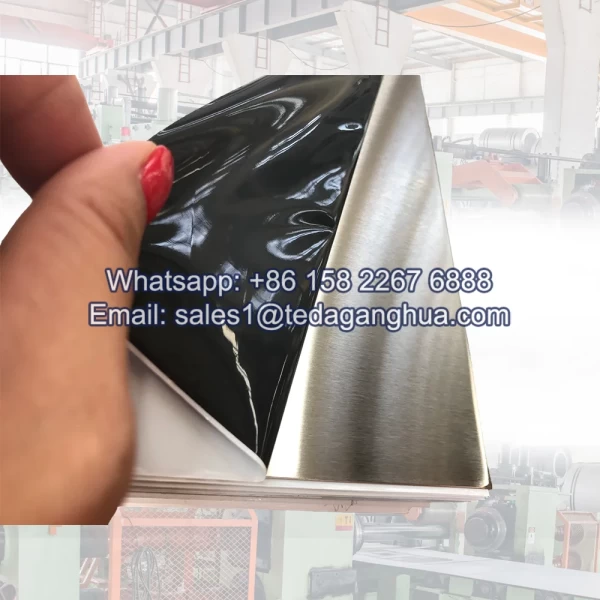
- Protective film during processing
- Controlled feed speed and pressure
These methods help reduce deformation and improve yield rate.
Advantages Despite Processing Difficulty
| Caratteristica | Beneficio |
|---|---|
| Ultra-thin structure | Lightweight design capability |
| Resistenza alla corrosione | Durabilità a lungo termine |
| Superficie liscia | Suitable for decoration |
| High precision potential | Electronics and instruments |
| Flexibility | Suitable for micro-forming |