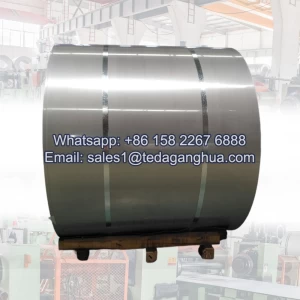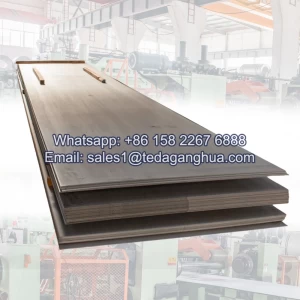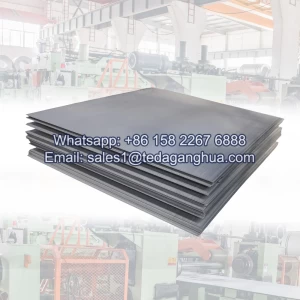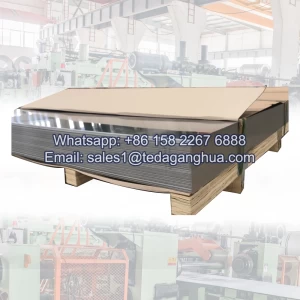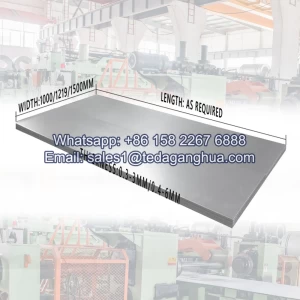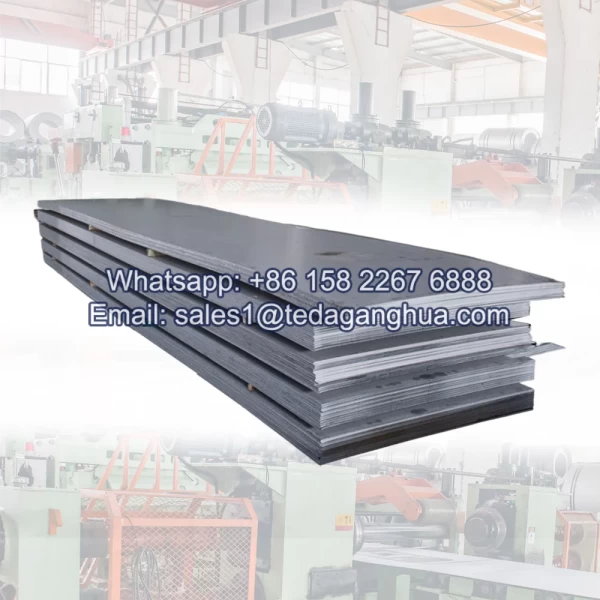
Finitions de tôle en acier inoxydable

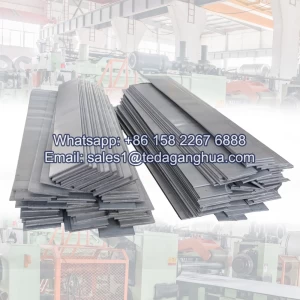
Stainless steel sheet metal finishes are divided into hot rolled and cold rolled categories, each serving different industrial needs:
- Hot rolled finishes (N°1, HRAP) are ideal for heavy-duty structural applications
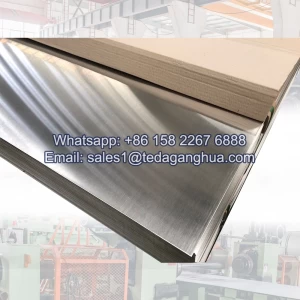
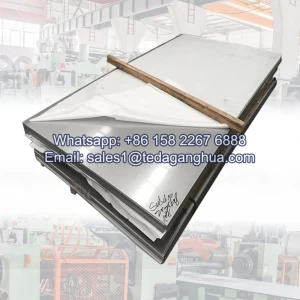
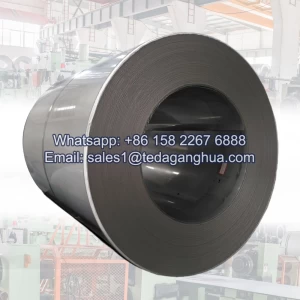
- Cold rolled finishes (2B, BA, 2D, brillant) are used for précision, décoratif, and hygienic applications
Selecting the correct finish is essential for balancing coût, performance, and appearance requirements.
- Description
Stainless steel sheet metal finishes refer to the surface condition created during manufacturing and processing. The finish directly affects:
- Apparence
- Résistance à la corrosion
- Nettoyabilité
- Fabrication performance
- Application suitability
In industrial production, stainless steel sheet finishes are mainly divided into:
- Hot rolled surface finishes
- Cold rolled surface finishes
Hot Rolled Stainless Steel Sheet Surface Finishes
Hot rolled stainless steel is processed at high temperature, which results in a more industrial and raw surface condition.
1. Finition n°1 (Standard Hot Rolled Surface)
This is the most common hot rolled stainless steel finish.
Caractéristiques:
- Rugueux, dull gray surface
- Covered with oxide scale
- Produced by hot rolling followed by annealing and pickling
- Réflectivité inférieure
Performance features:
- Good heat resistance
- Strong mechanical performance
- Suitable for heavy fabrication
Typical applications:
- Équipement industriel
- Réservoirs chimiques
- Composants structurels
- Heavy machinery
2. Pickled Surface (HRAP – Hot Rolled Annealed and Pickled)
This is an improved hot rolled finish after acid cleaning.
Caractéristiques:
- Scale removed by pickling process
- Cleaner but still matte surface
- More uniform appearance than No.1
Performance features:
- Better corrosion resistance than raw hot rolled
- Improved weldability and forming performance
Typical applications:
- Appareils à pression
- Cadres structurels
- Industrial pipelines
Cold Rolled Stainless Steel Sheet Surface Finishes
Cold rolled stainless steel undergoes further processing at room temperature, resulting in smoother and more precise surfaces.
1. 2Finition B (Most Common Cold Rolled Finish)
Caractéristiques:
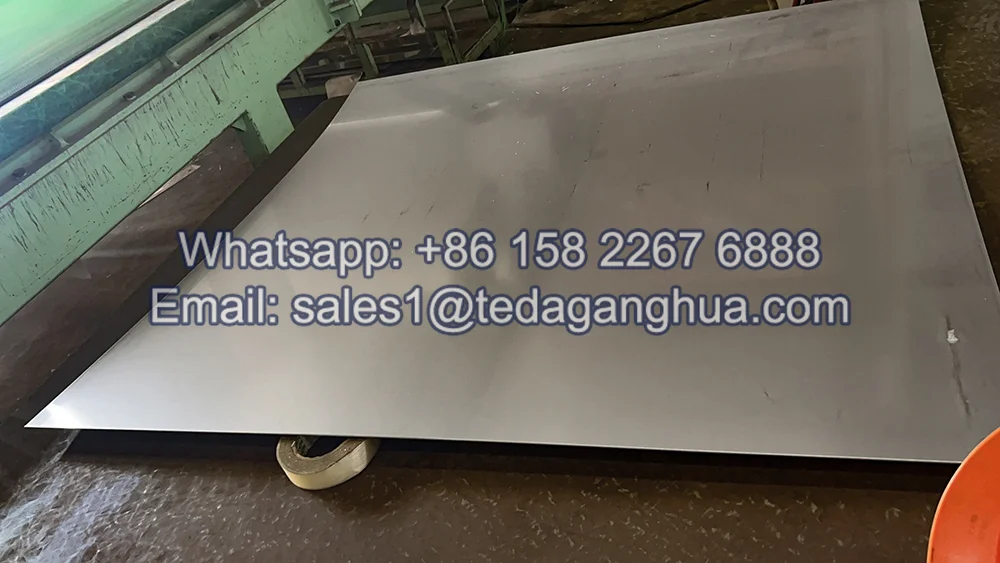
- Lisse, slightly reflective surface
- Produit par laminage à froid + recuit + décapage + passe cutanée
- Uniform industrial appearance
Performance features:
- Bonne résistance à la corrosion
- Excellente formabilité
- Widely used standard finish
Typical applications:
- Équipement de cuisine
- Machines de transformation des aliments
- Industrial panels
- Fabrication générale
2. Finition BA (Recuit brillant)
Caractéristiques:
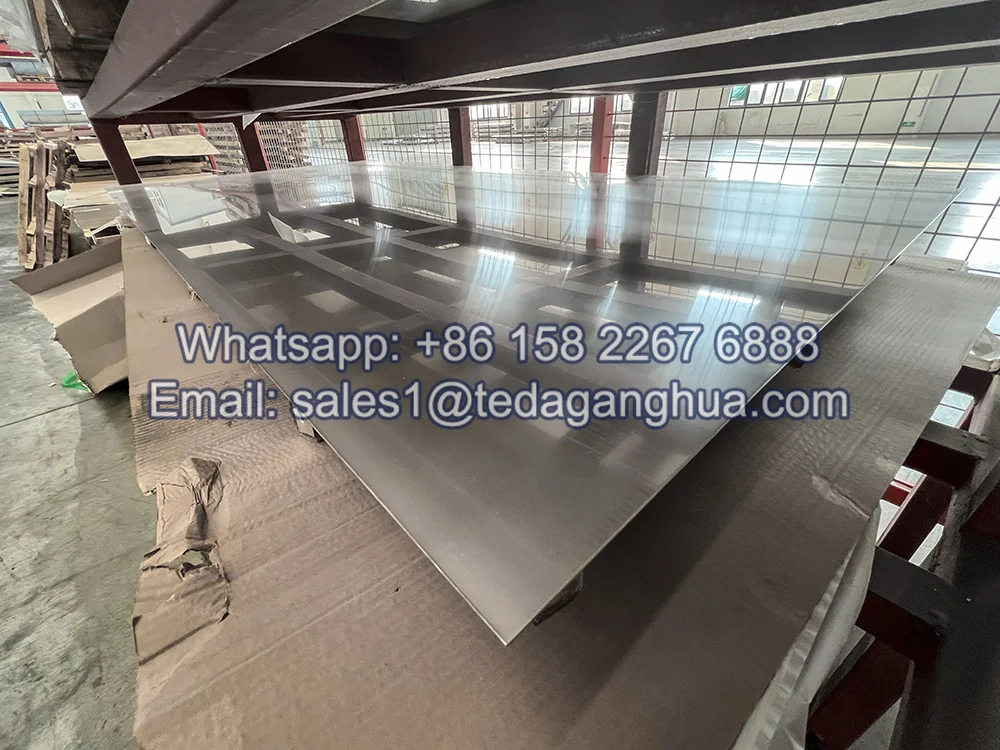
- Highly reflective, surface semblable à un miroir
- Produced in a controlled atmosphere furnace
- No additional polishing required
Performance features:
- Excellent surface smoothness
- High aesthetic value
- Bonne résistance à la corrosion
Typical applications:
- Panneaux décoratifs
- Intérieurs d'ascenseur
- Appareils électroménagers
- Architectural design
3. 2Finition D (Dull Cold Rolled Surface)
Caractéristiques:
- Mat, slightly rough surface
- Less reflective than 2B
- Basic cold rolled finish before skin pass
Performance features:
- Good for further processing
- Suitable for industrial forming
Typical applications:
- Deep drawing parts
- Composants industriels
- Fabrication structurelle
4. Brillant / Finition brossée (Post-Processing)
These finishes are applied after cold rolling.
Common types:
- Naissance des cheveux (HL brushed)
- Poli miroir (8K finish)
- Finition satinée
Performance features:
- Aspect décoratif
- Enhanced surface texture
- High visual impact
Typical applications:
- Décoration architecturale
- Interior design
- Luxury equipment panels
Hot Rolled vs Cold Rolled Surface Comparison
| Fonctionnalité | Finition laminée à chaud | Cold Rolled Finish |
|---|---|---|
| Aspect des surfaces | Rugueux, mat | Lisse, faire le ménage |
| Oxide scale | Present (N°1) | Removed |
| Réflectivité | Faible | Moyen à élevé |
| Précision dimensionnelle | Inférieur | Plus haut |
| Main usage | De construction & heavy industry | Précision & usage décoratif |
Why Surface Finish Matters
The surface finish directly affects:
- Corrosion resistance performance
- Welding and forming behavior
- Cleaning and hygiene requirements
- Final product appearance
- Processing cost efficiency