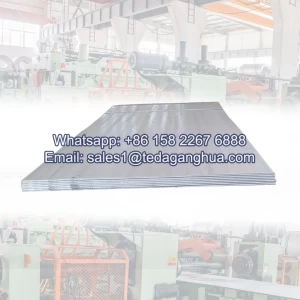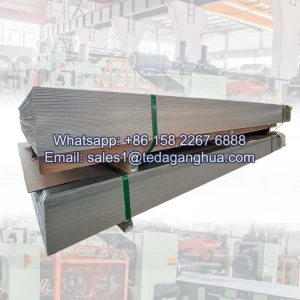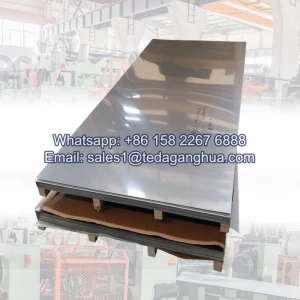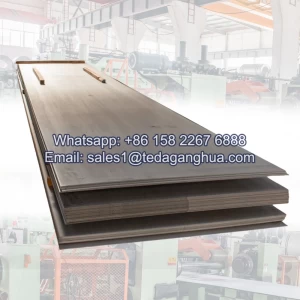
- Description
420 Stainless Steel Sheet Full Guide: Traitement thermique, Dureté & Tooling Applications
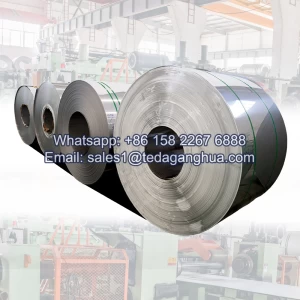
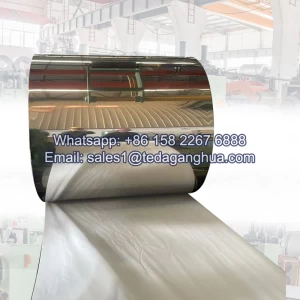
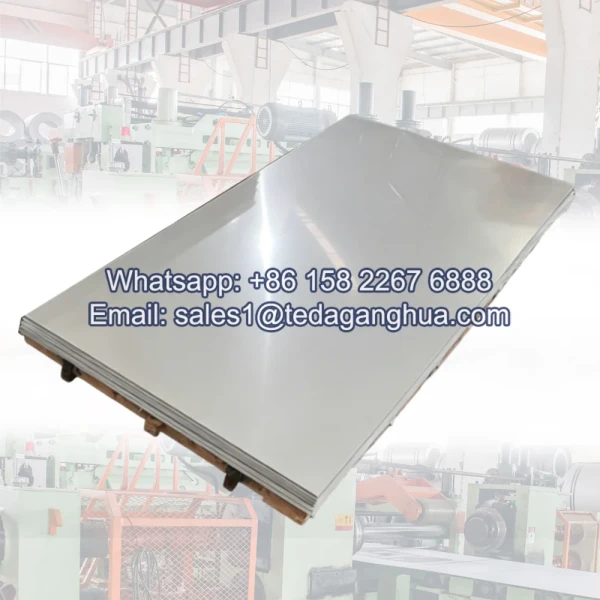
420 la tôle d'acier inoxydable est un acier inoxydable martensitique known for its ability to achieve high hardness through heat treatment. Il est largement utilisé dans cutlery, surgical tools, molds, and wear-resistant mechanical components where strength and edge retention are critical.
Unlike austenitic grades such as 304 et 316, 420 stainless steel can be hardened significantly through quenching and tempering, making it a key material in tool-grade applications.
1. Qu'est-ce que 420 Acier inoxydable?
| Propriété | Caractéristiques |
|---|---|
| Steel type | Acier inoxydable martensitique |
| Main feature | Traité thermiquement, haute dureté |
| Résistance à la corrosion | Modéré (lower than 304/316) |
| Magnétisme | Magnétique |
420 stainless steel is often selected when wear resistance and hardness are more important than maximum corrosion resistance.
2. Heat Treatment and Quenching Process
Le principal avantage de 420 stainless steel is its response to heat treatment.
- Austenitizing: Heating to high temperature to prepare structure
- Quenching: Rapid cooling to form martensite structure
- Trempe: Adjusting hardness and toughness balance
| Heat Treatment Stage | Effet |
|---|---|
| Quenching | Increases hardness significantly |
| Trempe | Improves toughness and reduces brittleness |
3. Hardness Levels of 420 Acier inoxydable
Après un traitement thermique approprié, 420 stainless steel can achieve high hardness levels suitable for cutting tools.
- Annealed condition: softer, easier to machine
- Hardened condition: high wear resistance
- Typical hardness range: varies based on tempering process
This flexibility makes it ideal for precision tool manufacturing.
4. Applications typiques
| Industrie | Application |
|---|---|
| Couverts | Knives, blades, kitchen tools |
| Médical | Instruments chirurgicaux (non-implant critical parts) |
| Molds & tooling | Plastic molds, forming tools |
| Pièces mécaniques | Arbres, wear-resistant components |
5. 420 vs l'acier inoxydable austénitique (304/316)
| Propriété | 420 Acier inoxydable | 304/316 Acier inoxydable |
|---|---|---|
| Dureté | Haut (après traitement thermique) | Modéré |
| Résistance à la corrosion | Modéré | Haut |
| Usinabilité | Good in annealed state | Good but not hardenable |
| Meilleure utilisation | Tools, blades, pièces d'usure | Corrosion-resistant structures |
Cela fait 420 the preferred choice when mechanical strength and edge retention are more important than corrosion resistance.
6. Processing and Machining Considerations
- Machine in annealed condition before hardening
- Avoid excessive heat during grinding
- Use controlled quenching to prevent cracking
- Polishing improves corrosion resistance slightly
7. Capacité d’approvisionnement en acier inoxydable de Teda Ganghua
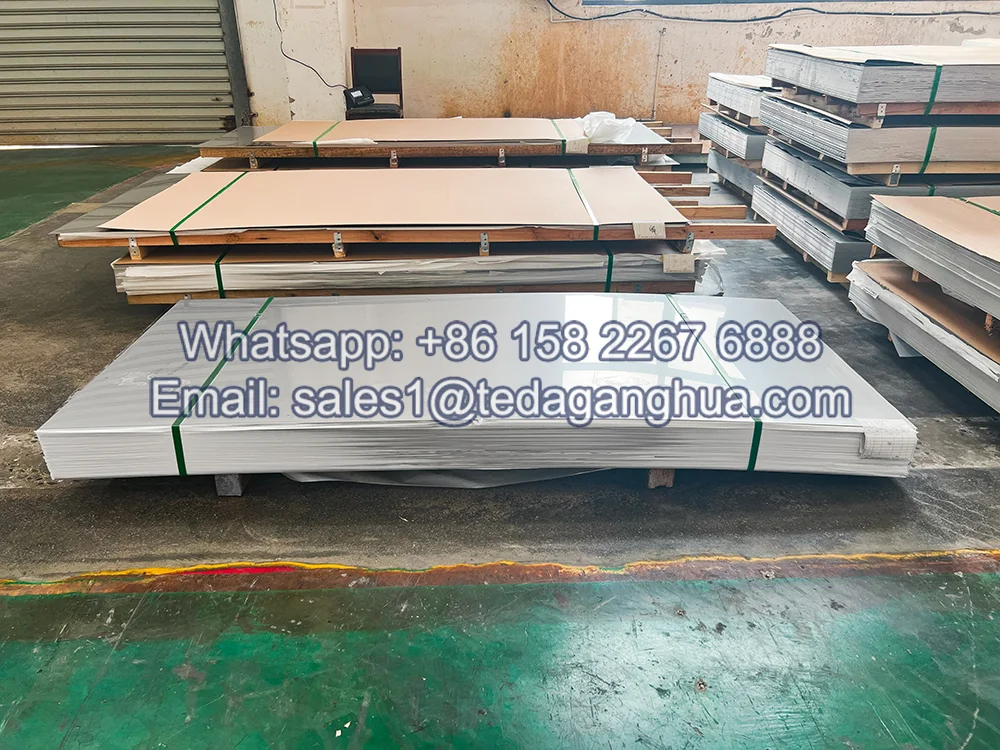
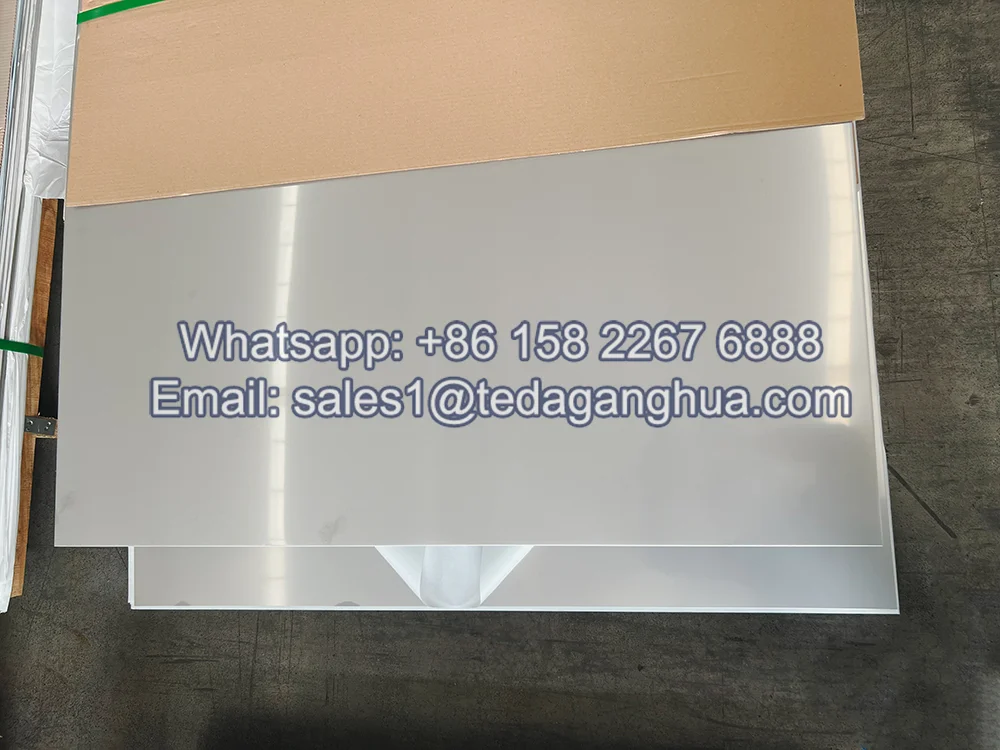
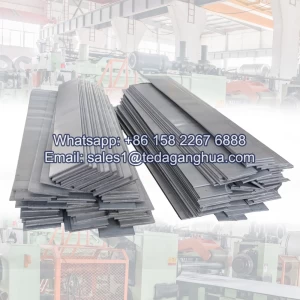
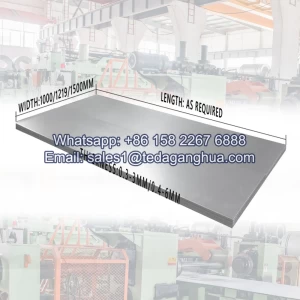
À Teda Ganghua, we supply high-quality stainless steel plates including 420 acier inoxydable martensitique, suitable for tooling, industrial blades, and wear-resistant applications.
Nous réalisons également des découpes de précision, heat-treatment support coordination, and custom fabrication services to meet industrial production requirements.
Découvrez nos produits en acier inoxydable ici:
Produits en tôle d'acier inoxydable
Conclusion
420 stainless steel sheet is a high-hardness, heat-treatable material designed for cutting tools and wear-resistant applications. With proper heat treatment, it delivers excellent performance in mechanical and tooling industries where strength is the top priority.