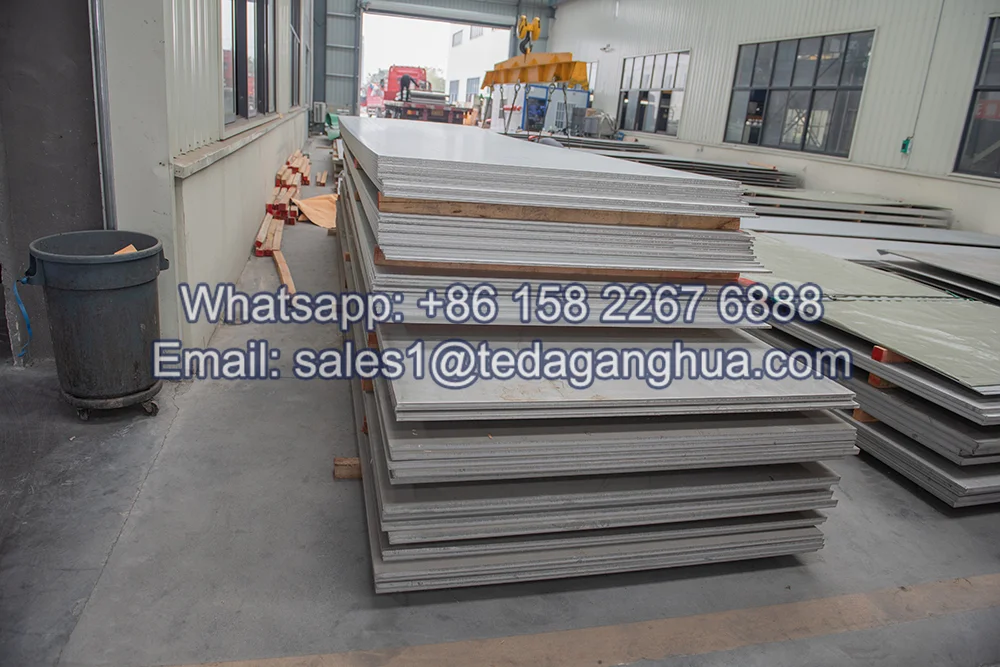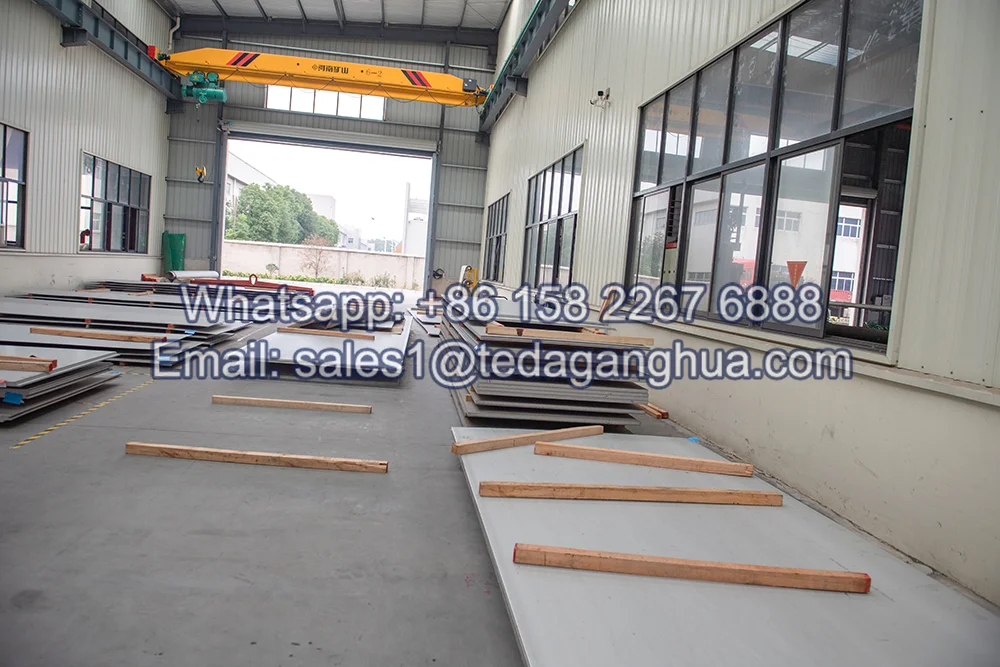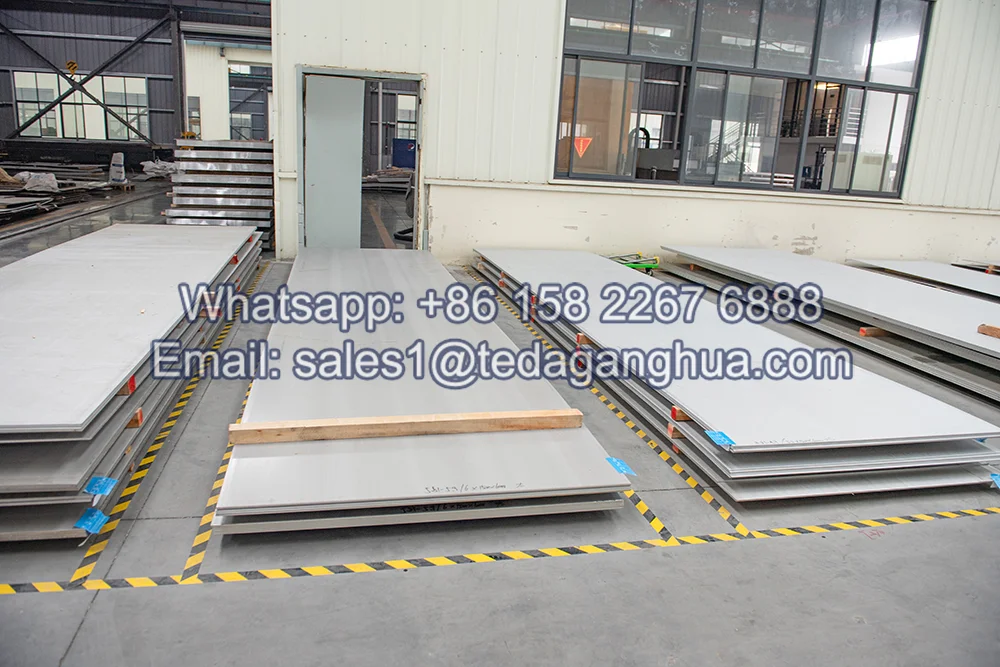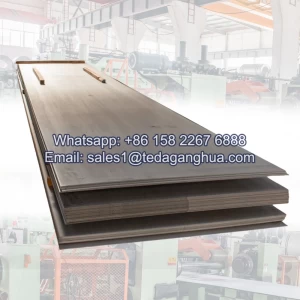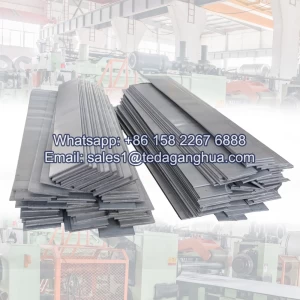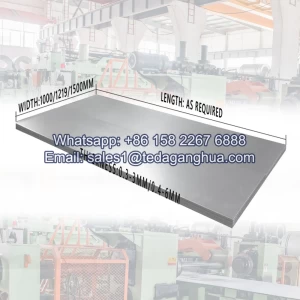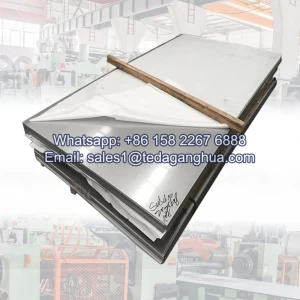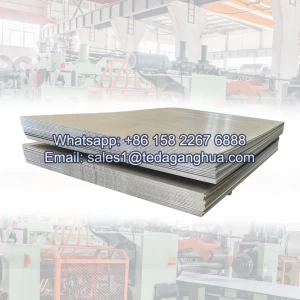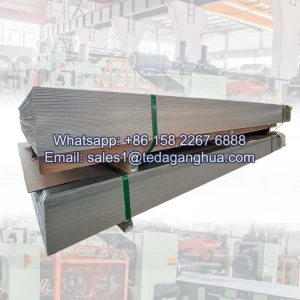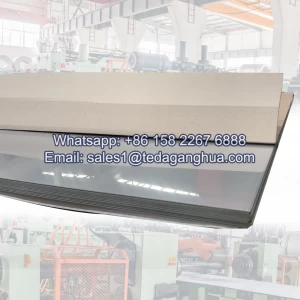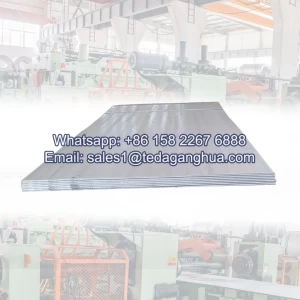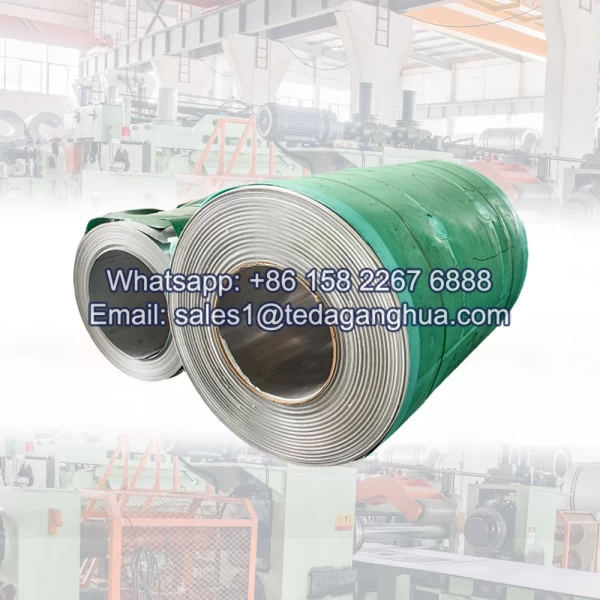
306 Plaque en acier inoxydable
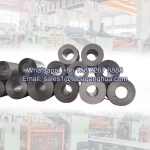
“306 stainless steel plate” is generally used as a market reference for a higher-grade austenitic stainless steel with improved corrosion resistance compared to 304. It typically features higher nickel content and sometimes molybdenum addition, making it suitable for chemical, marin, and high-corrosion industrial environments where standard stainless steels are not sufficient.
- Description
“306 stainless steel plate” is not a standard widely recognized AISI/ASTM stainless steel grade. In most industrial and international supply chains, this term is often used in error or as a market reference for high-alloy austenitic stainless steels similar to 304/316 families, especially materials with improved corrosion resistance and stability in chloride environments.
In many practical cases, buyers referring to “306 stainless steel” are actually targeting enhanced austenitic stainless steels with higher nickel or molybdenum content than 304.
Composition chimique (Typical High-Alloy Austenitic Reference)
Depuis 306 is not a strict standardized grade, the composition below reflects a common engineering interpretation of upgraded 300-series stainless steel used in industry:
| Élément | Contenu (%) |
|---|---|
| Chrome (Cr) | 17.0–19,0 |
| Nickel (Dans) | 10.0–14,0 |
| Molybdène (Mo) | 2.0–3,0 (facultatif, depending on variant) |
| Carbone (C) | ≤ 0.08 |
| Manganèse (Mn) | ≤ 2.00 |
| Silicium (Et) | ≤ 1.00 |
| Phosphore (P.) | ≤ 0.045 |
| Soufre (S) | ≤ 0.03 |
| Fer (Fe) | Équilibre |
Propriétés mécaniques
High-alloy austenitic stainless steels in this category provide balanced strength and excellent toughness.
| Propriété | Valeur typique |
|---|---|
| Résistance à la traction | 520–750 MPa |
| Limite d'élasticité | ≥ 205 MPa |
| Élongation | ≥ 40% |
| Dureté | ≤ 200 HB |
| Densité | 7.9 g/cm³ |
Principales caractéristiques de performance
1. Excellente résistance à la corrosion
This material is designed for environments requiring strong resistance to:
- Chloride exposure
- Moist marine atmosphere
- Chemical processing conditions
- Acidic industrial environments
If molybdenum is included, resistance to pitting and crevice corrosion is significantly improved.
2. Good High-Temperature Stability
The alloy maintains stable mechanical performance under moderate elevated temperatures, making it suitable for:
- Échangeurs de chaleur
- Fours industriels (non-extreme zones)
- Équipement de traitement thermique
3. Excellent Formability and Weldability
Like other austenitic stainless steels, it provides:
- Soudage facile (TIG, MOI, etc.)
- Good deep drawing capability
- Excellent bending performance
- Stable structure without heat treatment hardening
4. Non-Magnetic or Weakly Magnetic
En état recuit, it is generally non-magnetic, which is useful for precision equipment and industrial applications.
Common Applications of “306 Stainless Steel Plate”
Because it is interpreted as a high-performance austenitic stainless steel, it is commonly used in:
- Équipement de traitement chimique
- Heat exchanger plates
- Composants de génie maritime
- Desalination systems
- Machines de transformation des aliments
- Équipement pharmaceutique
- Storage tanks and pressure vessels
- Architectural structures in corrosive environments
- Pump and valve components
- Systèmes de tuyauterie industrielle
Comparison: 306-Type vs 304 Acier inoxydable
| Propriété | 306-Type Stainless | 304 Acier inoxydable |
|---|---|---|
| Résistance à la corrosion | Plus haut | Standard |
| Alloy Content | Higher Ni / possible Mo | Inférieur |
| Résistance aux chlorures | Mieux | Modéré |
| Niveau de coût | Plus haut | Inférieur |
| Application | Environnements difficiles | Usage général |