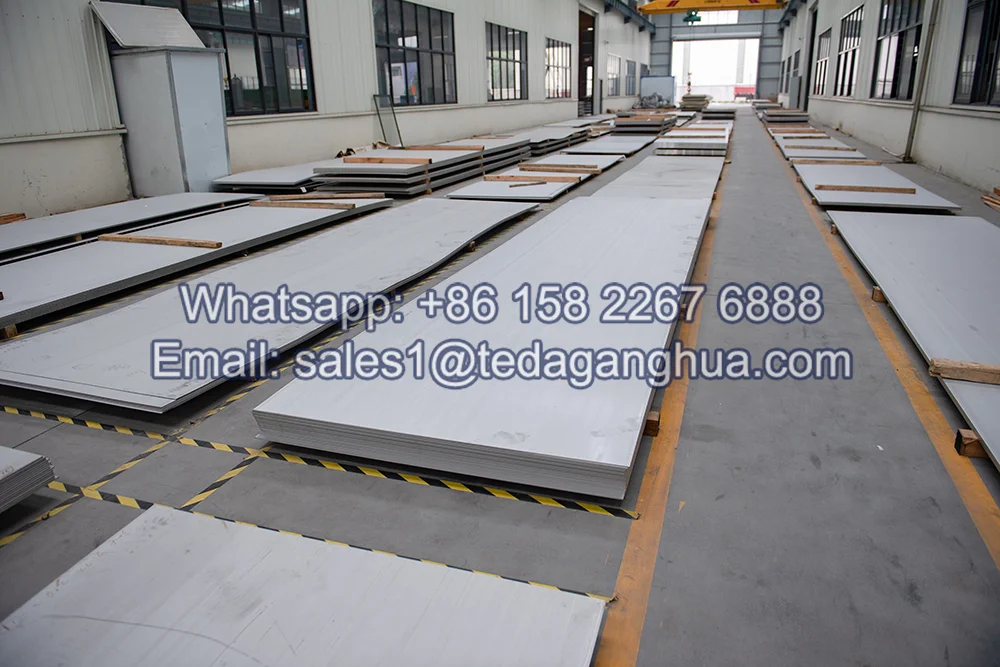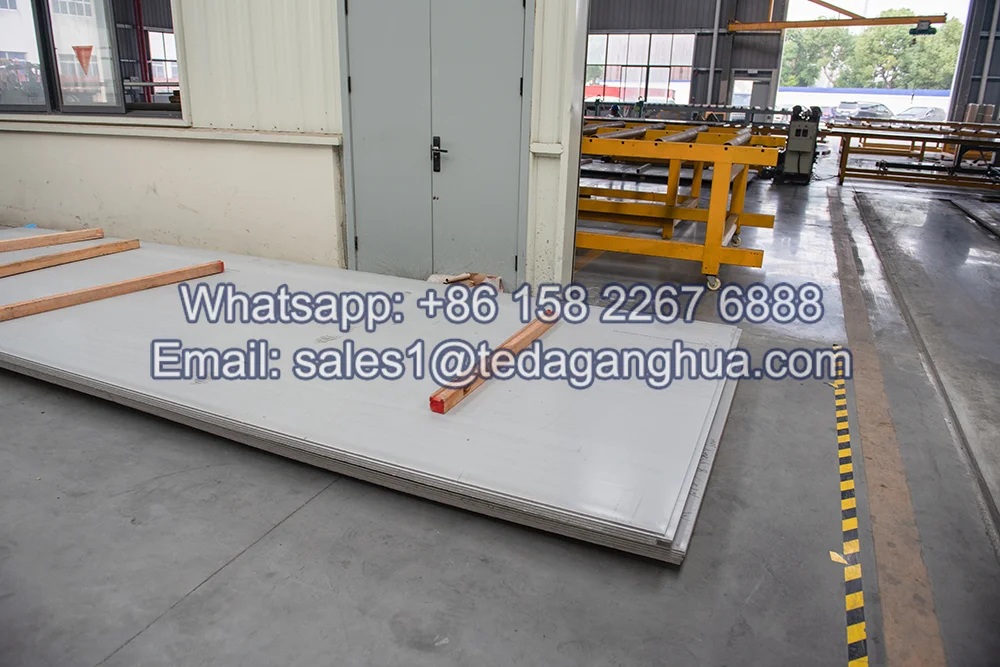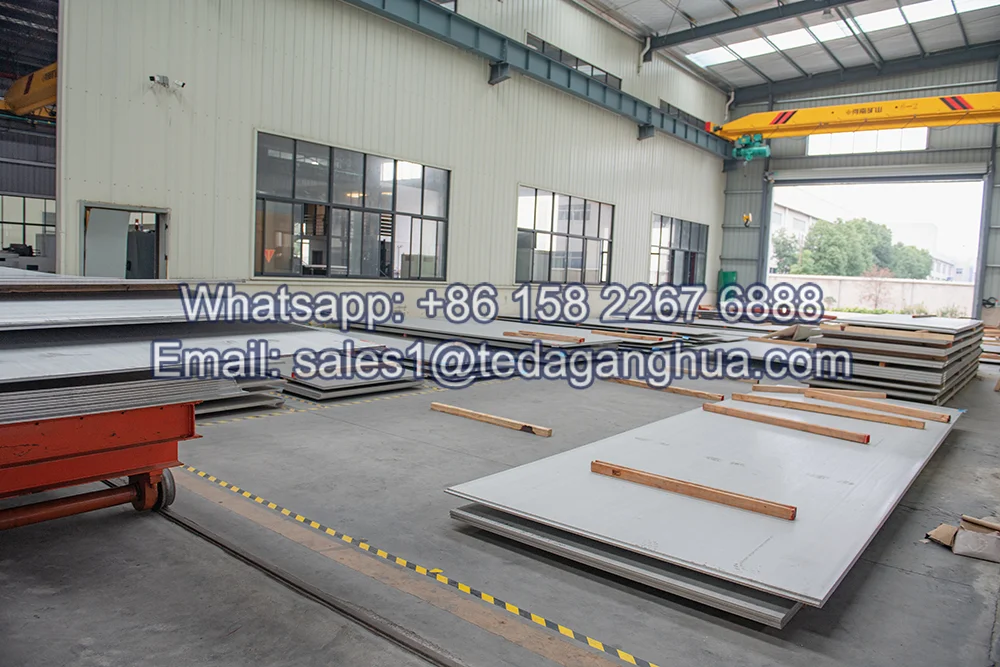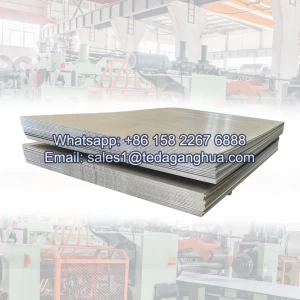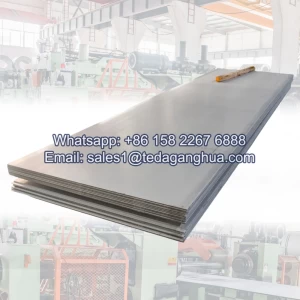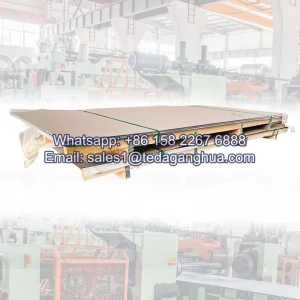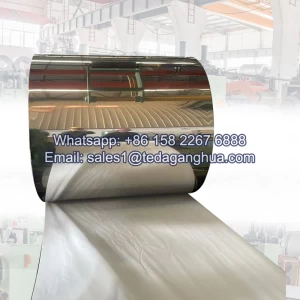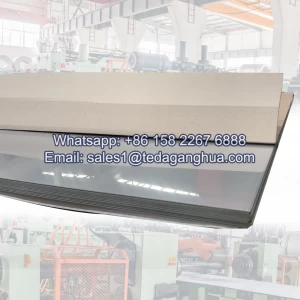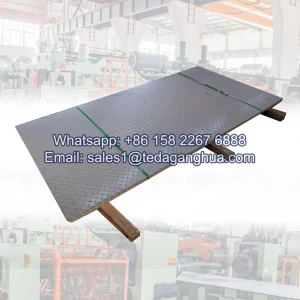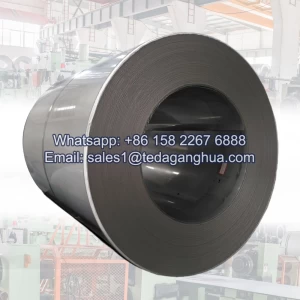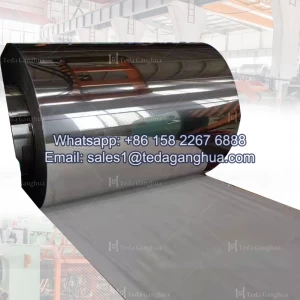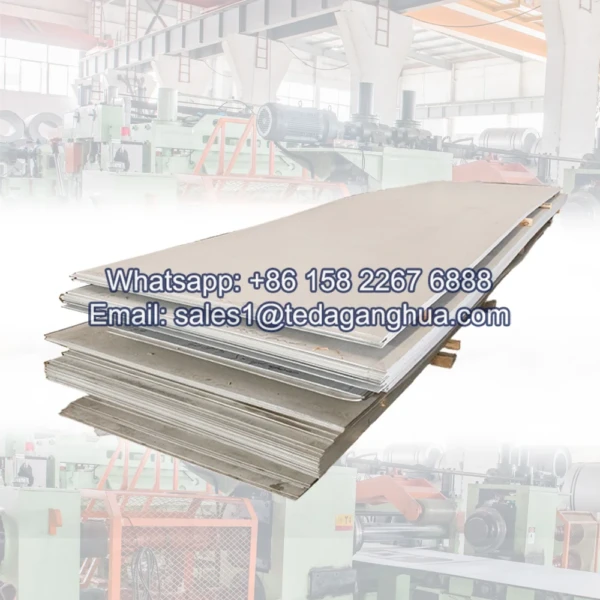
1Plaque d'acier inoxydable de 30 mm
1plaque d'acier inoxydable de 30 mm is a widely used specification for fabrication, décoration, et applications industrielles. The relationship between thickness and price is mainly based on material weight, since thicker stainless steel sheets contain more raw material and require more processing.
As a medium-thin stainless steel sheet, 1mm thickness offers a cost-effective balance between strength, maniabilité, and material efficiency, making it one of the most commonly selected specifications in stainless steel applications.
- Description
1plaque d'acier inoxydable de 30 mm is a commonly used thin stainless steel product for fabrication, décoration, et équipements industriels. It is widely used in grades such as 201, 304, 316, et 430, and is usually supplied in cold rolled sheets with standard widths such as 1000 mm, 1219 mm, et 1500 mm.
When purchasing stainless steel sheets, one of the most important factors affecting cost is épaisseur. For many buyers, understanding the relationship between stainless steel plate thickness and price helps optimize material selection for different applications.
How Thickness Affects Stainless Steel Plate Price
The price of stainless steel plate is closely related to thickness because thickness directly determines the total material weight.
En général:
- Thicker plates require more raw material
- Heavier sheets have higher transportation costs
- Processing time may increase with thickness
- Cutting and forming costs can vary
For the same grade and surface finish, a thicker stainless steel plate usually has a higher price per sheet because its weight increases.
Why 1mm Stainless Steel Plate Is Popular
1mm stainless steel plate is considered a practical medium-thin specification. It provides a balance between flexibility and structural strength.
Common advantages include:
- Easy to bend and cut
- Suitable for laser processing
- Lower weight compared with thick plate
- Better rigidity than ultra-thin sheets
- Widely available in stock
This makes 1mm thickness a common choice for fabrication and decorative applications.
Thickness and Weight Relationship
Because stainless steel is usually sold by weight, plate thickness has a direct impact on total cost.
The theoretical weight can be calculated using:
Poids (kilos) = Thickness (mm) × Width (m) × Length (m) × Density
The density of stainless steel is approximately:
- 304 acier inoxydable: 7.93 g/cm³
- 316 acier inoxydable: 7.98 g/cm³
For standard 304 tôles en acier inoxydable:
| Épaisseur | Taille standard | Environ. Poids |
|---|---|---|
| 0.5 mm | 1219 × 2438 mm | 11.8 kilos |
| 1.0 mm | 1219 × 2438 mm | 23.6 kilos |
| 2.0 mm | 1219 × 2438 mm | 47.2 kilos |
| 3.0 mm | 1219 × 2438 mm | 70.8 kilos |
As thickness doubles, the material weight nearly doubles, which significantly influences the final cost.
Relationship Between Thickness and Processing Cost
In addition to raw material weight, processing costs also vary with thickness.
Feuilles fines (0.3–1,0mm)
- Easier to shear
- Faster laser cutting
- Lower forming pressure
- Suitable for decorative fabrication
Medium Sheets (1.5–3,0 mm)
- Stronger structural performance
- Higher cutting energy required
- More bending force needed
Plaques épaisses (Above 4 mm)
- Longer processing time
- Higher machining cost
- Additional equipment requirements
Donc, 1mm stainless steel plate is often considered economical for applications requiring both strength and easy fabrication.
Common Applications of 1mm Stainless Steel Plate
1mm thickness is widely used in:
Decorative Applications
- Revêtement mural
- Panneaux d'ascenseur
- Interior trim
- Ceiling panels
Fabrication industrielle
- Housses d'équipement
- Carters de machines
- Armoires
- Ventilation systems
Équipement de cuisine
- Sink panels
- Splash backs
- Workbench covers
- Food-grade enclosures
Thickness Comparison for Common Stainless Steel Sheets
| Épaisseur | Utilisation typique | Relative Material Cost |
|---|---|---|
| 0.5 mm | Decorative sheet | Inférieur |
| 1.0 mm | Fabrication générale | Modéré |
| 2.0 mm | Panneaux d'équipement | Plus haut |
| 3.0 mm | Structural use | Plus haut |
1mm sheet is often selected because it offers a practical balance between material usage and mechanical performance.
Factors Beyond Thickness That Affect Price
Although thickness is a major factor, other elements also influence stainless steel plate cost:
- Nuance d'acier inoxydable (201 / 304 / 316)
- Finition superficielle (2B / BA / N°4 / miroir)
- Taille de la feuille
- Quantity ordered
- Processing requirements
- Market nickel and chromium prices
Par exemple, a 1mm 316 stainless steel plate usually costs more than a 1mm 304 sheet because of higher alloy content.