Méthode de traitement de 304 Acier inoxydable
The processing of 304 stainless steel involves several key stages: material preparation, coupe, formation, surface treatment, and quality inspection. Each stage ensures that the final product meets design specifications and quality standards.
1. Material Preparation
Material Quality Inspection
Before processing, check the quality of 304 acier inoxydable. Inspect for visible defects such as scratches, dents, or gaps that could affect the final product. Ensure the chemical composition meets the 304 standard, avec 18-20% chrome (Cr), 8-10.5% nickel (Dans), and small amounts of carbon (C), manganèse (Mn), and silicon (Et). Improper composition can reduce corrosion resistance and strength.
Material Size Verification
Verify that the material’s size meets processing requirements. For plates, check thickness, longueur, and width. For bars, check size and length. Accurate measurements are essential for ensuring dimensional precision.
2. Cutting Process
Equipment Selection
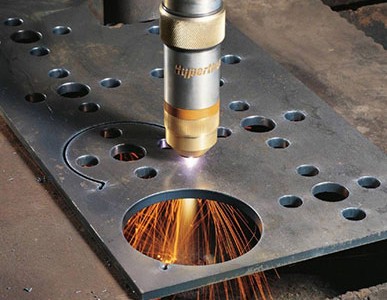
Choose cutting equipment based on the material’s shape and size. Laser cutting is ideal for thin plates, offering high precision and minimal heat distortion. For thicker materials, ion cutting or water cutting may be better options, as they avoid thermal deformation and provide better accuracy.
Cutting Parameter Settings
Adjust cutting parameters to ensure quality results. For laser cutting, set the power, vitesse, and gas pressure according to material thickness. Too high a power setting may create burrs, while too fast a speed may result in incomplete cuts. Plasma cutting requires adjustments to current, vitesse, and gas flow.
Post-Cutting Processing
After cutting, clean the cut surfaces to remove scale, slag, and other residues that could affect later stages. Check for flatness and verticality, and modify surfaces as necessary.
3. Forming and Processing
Pliage
When bending 304 acier inoxydable, consider its ductility. The material can bend well, but the bending radius should not be too small to avoid cracking. The bending radius depends on material thickness and design requirements. Select high-quality molds and control bending pressure and speed to prevent material deformation.
Estampillage
For stamping, design molds based on the shape and size of the accessory. Ensure proper die gap to prevent burrs or die fatigue. Control stamping speed and pressure to avoid damaging the die, as 304 stainless steel is strong and can require higher forces. Ensure proper material positioning to maintain dimensional accuracy.
4. Traitement de surface
Cleaning
Thoroughly clean the surface of the hardware before surface treatment. Use alkaline cleaning agents or organic solvents to remove oil and dirt. Ensure the surface is dry to avoid affecting subsequent treatments.
Passivation
Passivation enhances corrosion resistance by forming a dense oxide layer on the surface. Use solutions such as nitric acid or chromate. Control the concentration (20-50%), température (49-60°C), and treatment time (30-60 minutes). Rinse the parts immediately after treatment to prevent corrosion from residual solution.
Polissage
Polishing improves surface gloss. Mechanical polishing uses a wheel and paste to brighten the surface. Careful control of pressure and speed is necessary to avoid scratches or deformation during polishing.
5. Contrôle qualité
Précision dimensionnelle
Use calipers, micrometers, and coordinate measuring machines to verify the dimensions of the hardware. Ensure that lengths, largeurs, épaisseur, and other measurements meet design specifications. Correct or discard parts that fall outside tolerance.
Surface Quality
Check the surface for defects like scratches, fosses, or burrs. For parts with high surface quality requirements, such as decorative or precision components, visual inspection or specialized equipment should be used to detect any flaws.
Performance Testing
Test the performance of 304 stainless steel hardware, including corrosion resistance and mechanical properties. Corrosion resistance is often tested via a salt spray test, according to standards like GB/T 10125-2012. Mechanical tests, such as torsion or hardness tests, ensure that the material meets strength and durability requirements.