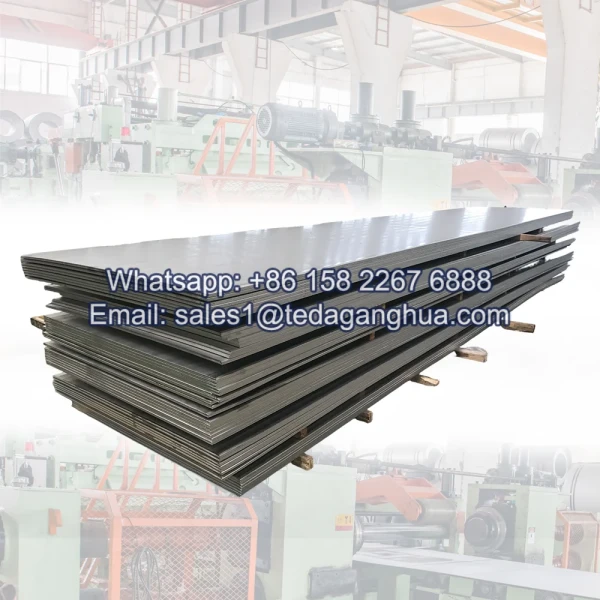

- Descripción
316L Stainless Steel Plate Ultimate Guide: Actuación, Grade Comparison and Typical Applications
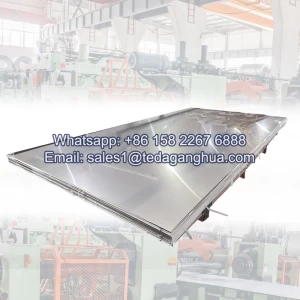
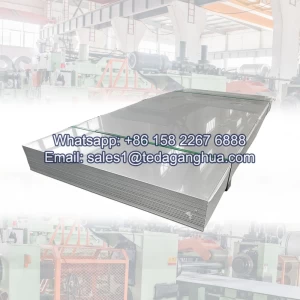
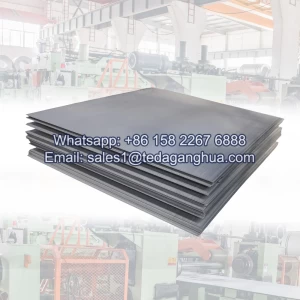
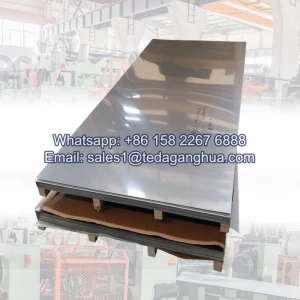
316L stainless steel plate is one of the most widely used austenitic stainless steels in industries requiring alta resistencia a la corrosión, excelente soldabilidad, and long-term durability. It is especially popular in procesamiento químico, ingeniería marina, pharmaceutical equipment, and food-grade systems.
This guide explains the key differences between 316 y 316l, corrosion performance, ASTM standards, and typical industrial applications.
1. 316 frente a 316L: What is the Difference?
| Propiedad | 316 Acero inoxidable | 316Acero inoxidable |
|---|---|---|
| Contenido de carbono | Arriba a 0.08% | ≤ 0.03% (Bajo carbono) |
| Soldabilidad | Bien | Excelente (reduced sensitization risk) |
| Resistencia a la corrosión | Alto | Higher in welded structures |
| Recommended use | Uso industrial general | Welded and corrosive environments |
The lower carbon content in 316L significantly reduces the risk of intergranular corrosion after welding, making it more suitable for critical applications.
2. Rendimiento de resistencia a la corrosión
316El acero inoxidable L contiene molibdeno. (Mes), which improves resistance to chloride and acidic environments.
- Excellent resistance to seawater corrosion
- Strong performance in acidic chemical solutions
- Stable behavior in high-humidity environments
| Ambiente | Performance Level |
|---|---|
| Marina (saltwater) | Excelente |
| Chemical processing | muy alto |
| Procesamiento de alimentos | Alto (hygienic safe) |
3. ASTM Standards for 316L Stainless Steel Plate
316L stainless steel plates are commonly produced according to ASTM A240 standards for pressure vessels, equipos industriales, y aplicaciones estructurales.
- ASTM A240: Especificación estándar para placas de acero inoxidable al cromo y al cromo-níquel.
- EN 1.4404 / 1.4435 equivalents in European standards
- ISO compliant manufacturing for global applications
4. Key Industrial Applications
| Industria | Ejemplo de aplicación |
|---|---|
| Industria química | reactores, tanques de almacenamiento, sistemas de tuberías |
| ingeniería marina | Componentes del barco, offshore structures |
| Farmacéutico | Cleanroom equipment, sterile containers |
| Procesamiento de alimentos | Hygienic tanks and conveyor systems |
5. Advantages of 316L Stainless Steel Plate
- Superior corrosion resistance in aggressive environments
- Excellent weldability and fabrication performance
- Long service life with low maintenance cost
- High hygiene and cleanliness standards
6. Capacidad de suministro de acero inoxidable de Teda Ganghua
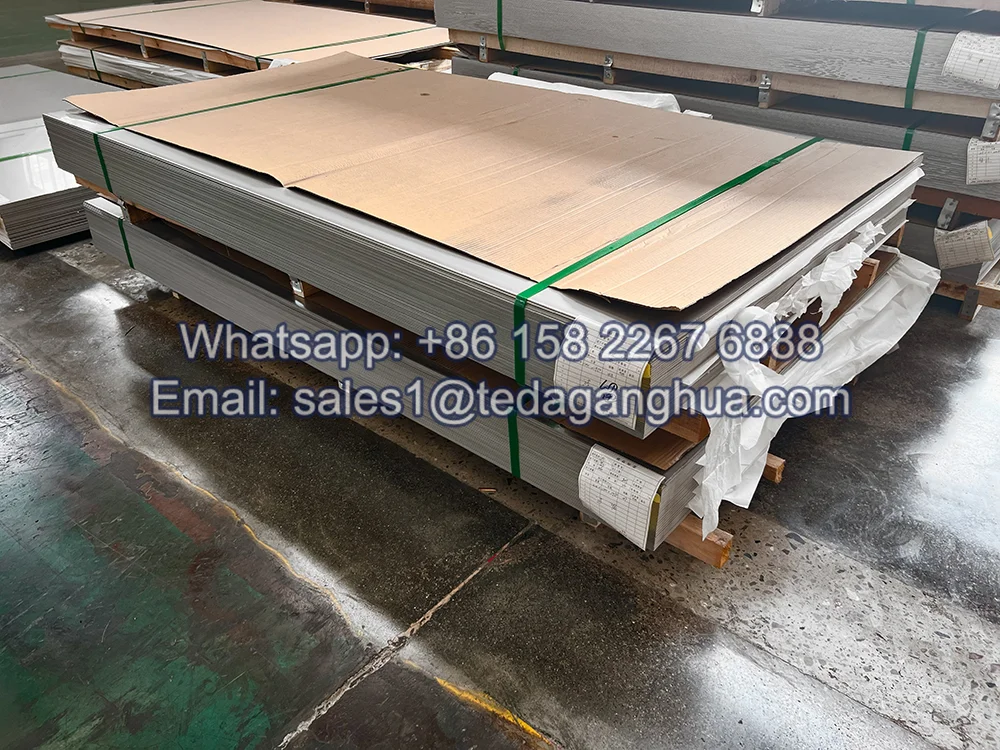
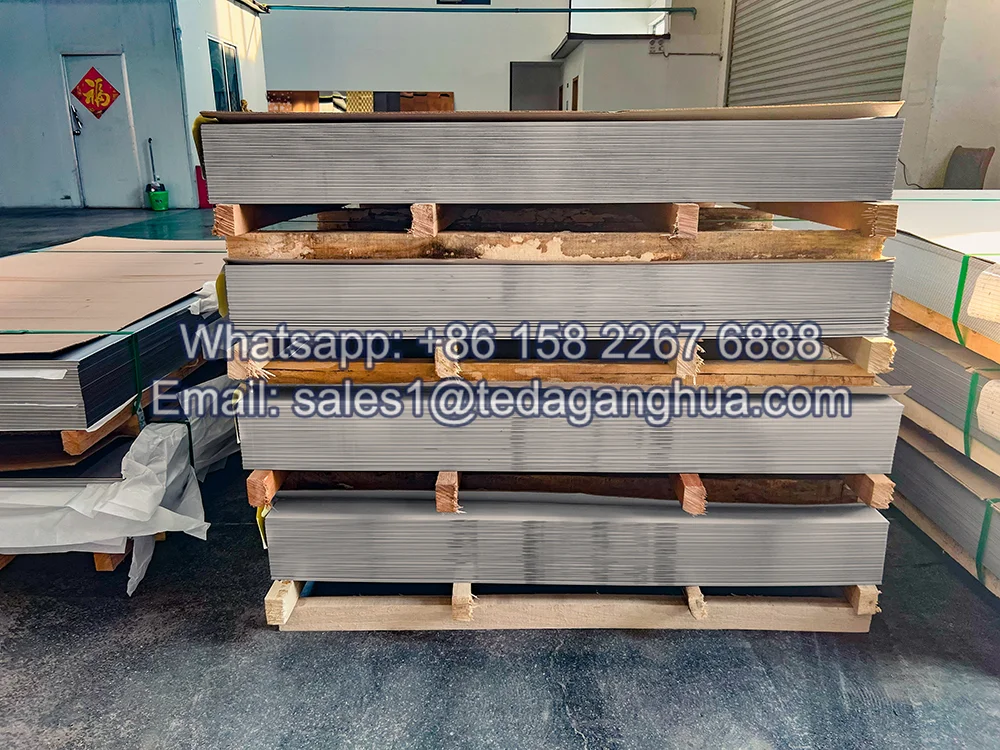
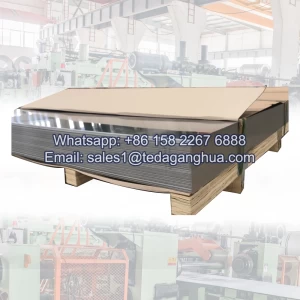
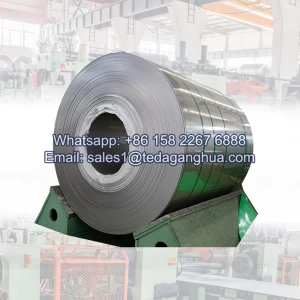
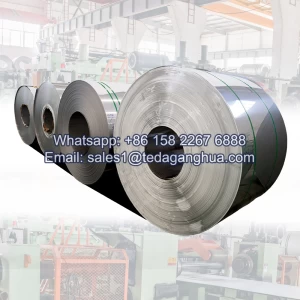
En Teda Ganghua, we supply high-quality 316L stainless steel plates with stable chemical composition, precise thickness control, and reliable surface finishing. Our materials are widely used in chemical, marina, and food-grade applications worldwide.
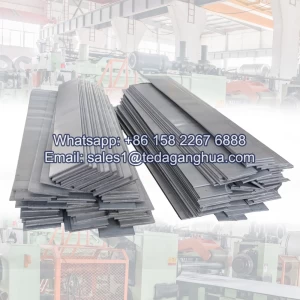
We also provide cutting, procesamiento de superficies, and customized fabrication services to support industrial project requirements.
Explore nuestros productos de acero inoxidable aquí:
Productos de placa de acero inoxidable
Conclusión
316L stainless steel plate is the preferred choice for harsh environments where corrosion resistance and weld integrity are critical. With excellent performance and compliance with ASTM standards, it remains a key material in global industrial applications.