
- Beschreibung
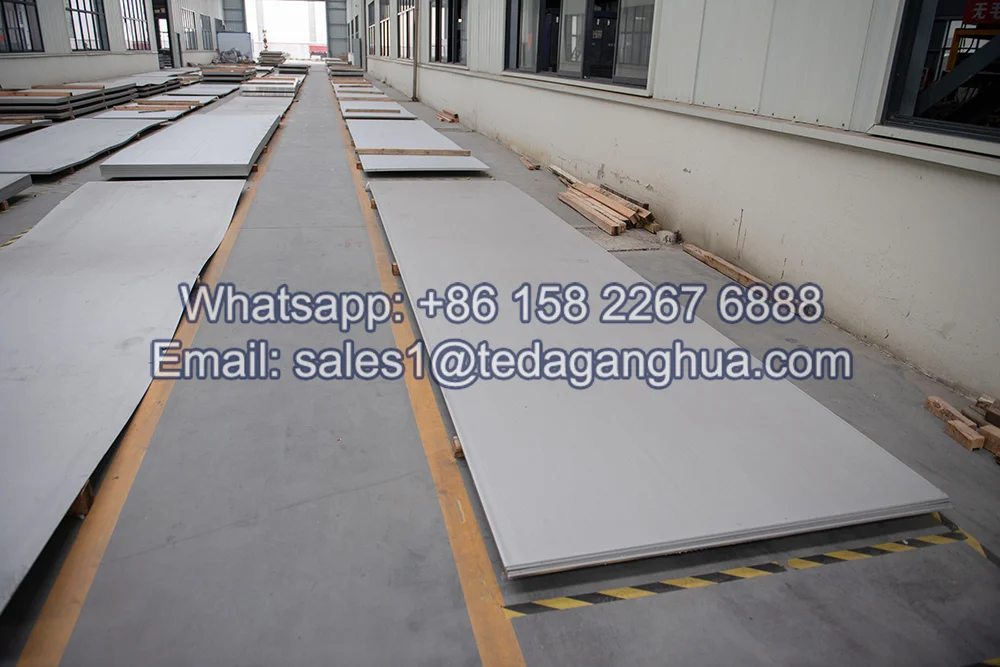
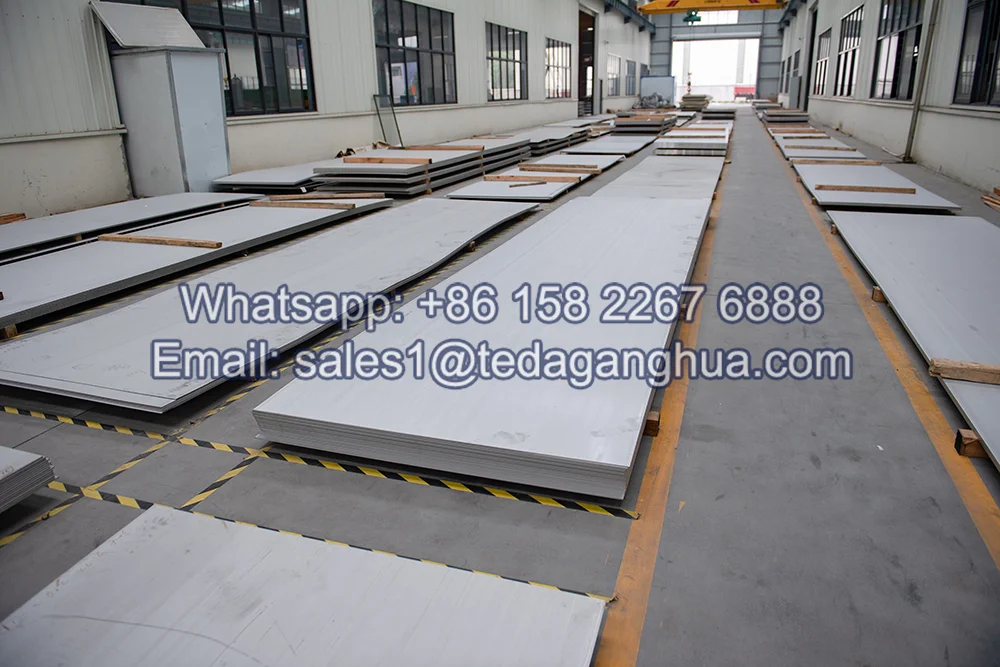
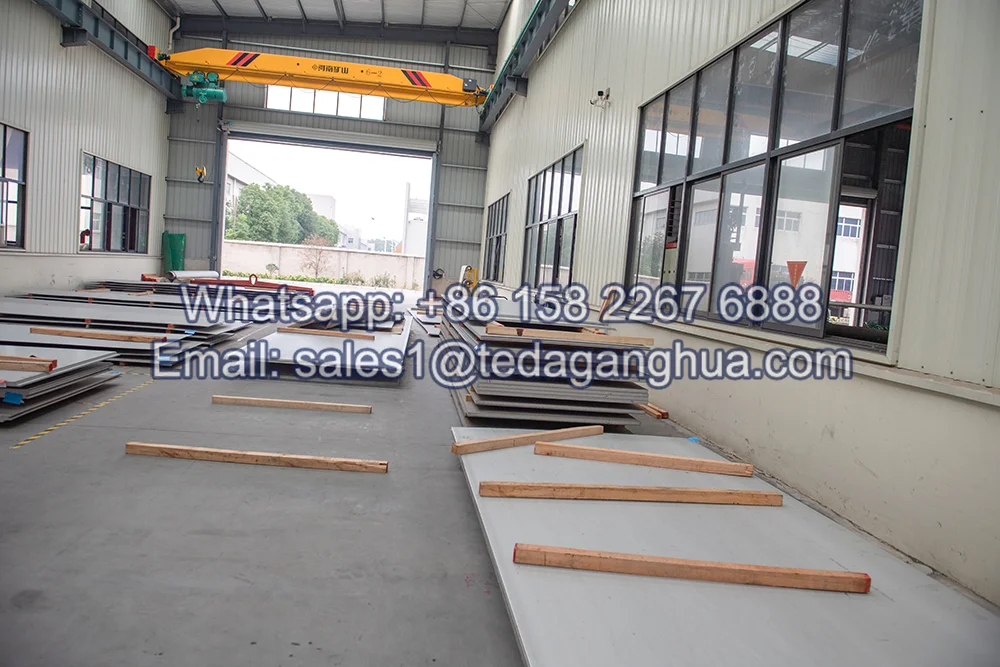
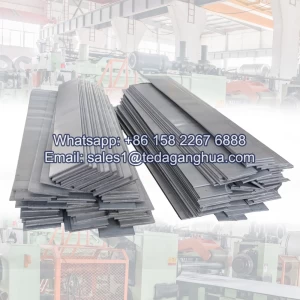
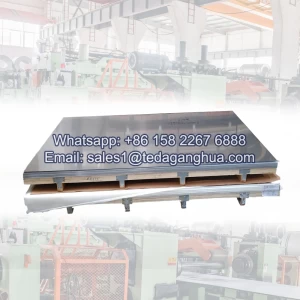
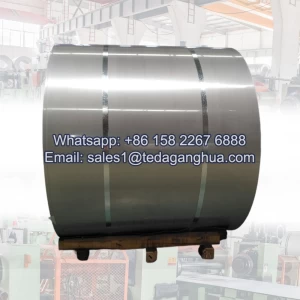
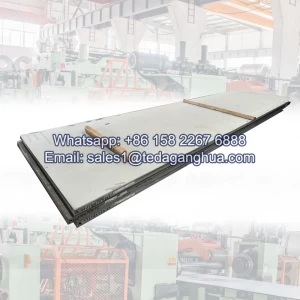
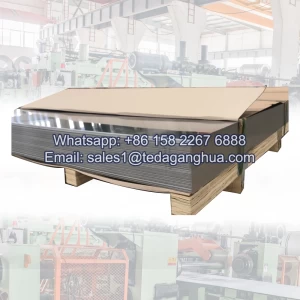
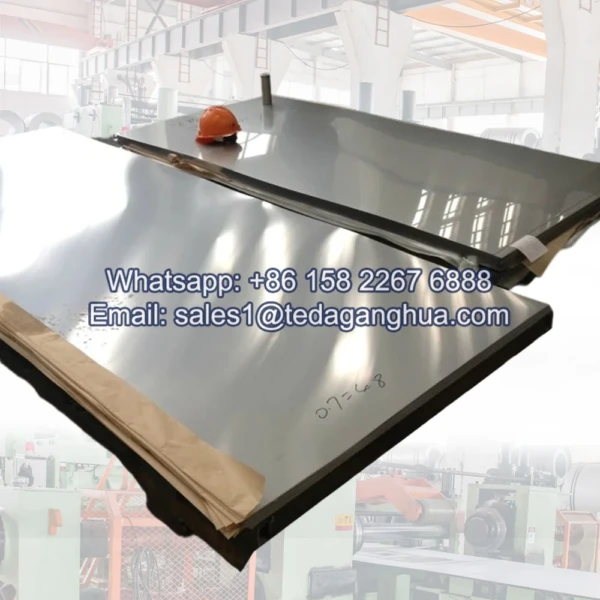
Thick stainless steel sheet refers to medium and heavy gauge stainless steel plates used in structural engineering, Industrieausrüstung, Druckbehälter, Schiffbau, Maschinenbau, and heavy fabrication industries. Compared with thin stainless steel sheets, thick plates provide higher strength, bessere Tragfähigkeit, und verbesserte strukturelle Stabilität.
The definition of “thick” stainless steel sheet varies by industry, but materials above approximately 3 mm thickness are generally classified as medium or thick stainless steel plates.
1. Common Thickness Range of Stainless Steel Sheets and Plates
| Category | Dickenbereich | Typische Anwendung |
|---|---|---|
| Thin Stainless Steel Sheet | 0.3 mm – 3 mm | Decoration, Küchenausstattung, Präzisionsfertigung |
| Medium Thickness Plate | 3 mm – 20 mm | Strukturelle Fertigung, Panzer, Maschinen |
| Thick Stainless Steel Plate | 20 mm – 60 mm | Heavy industry, Druckbehälter |
| Extra Thick Stainless Steel Plate | 60 mm und mehr | Off-Shore, Schiffbau, heavy engineering |
2. Common Standard Thickness Specifications
The following thicknesses are commonly available in international stainless steel markets:
Thin to Medium Thickness
- 1 mm
- 1.5 mm
- 2 mm
- 3 mm
- 4 mm
- 5 mm
- 6 mm
Medium to Heavy Thickness
- 8 mm
- 10 mm
- 12 mm
- 14 mm
- 16 mm
- 20 mm
- 25 mm
Heavy Plate Thickness
- 30 mm
- 40 mm
- 50 mm
- 60 mm
- 80 mm
- 100 mm und mehr
3. Allgemeine Spezifikationen für Breite und Länge
Thick stainless steel sheets are typically supplied in standard plate dimensions.
| Breite | Gemeinsame Länge |
|---|---|
| 1000 mm | 2000 mm |
| 1219 mm | 2438 mm |
| 1500 mm | 3000 mm |
| 1800 mm | 6000 mm |
| 2000 mm | 6000 mm |
Custom cutting and processing sizes are also common in industrial applications.
4. Hot Rolled vs Cold Rolled Thickness Range
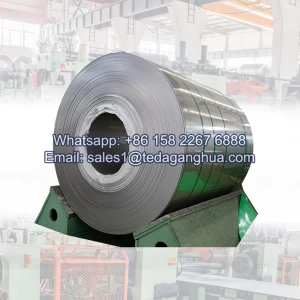
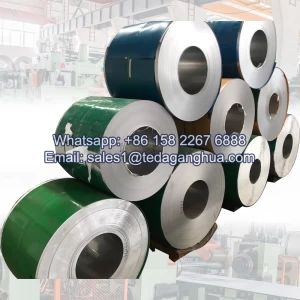
Kaltgewalzter Edelstahl
- Usually produced from 0.3 mm bis 6 mm
- Better surface finish and dimensional accuracy
- Common surface finishes: 2B, BA, gebürstet
Warmgewalzter Edelstahl
- Commonly produced above 3 mm Dicke
- Suitable for heavy plates and structural applications
- Typical surface finish: Platz 1 im Ziel
Thicker stainless steel plates are generally manufactured using hot rolling processes.
5. Common Stainless Steel Grades for Thick Plates
| Grad | Main Characteristics |
|---|---|
| 304 | Allgemeine Korrosionsbeständigkeit |
| 304L | Bessere Schweißbarkeit |
| 316 | Improved chloride resistance |
| 316L | Kohlenstoffarm, chemical applications |
| 310S | Hochtemperaturbeständigkeit |
| 2205 Duplex | High strength and corrosion resistance |
6. Industrial Applications of Thick Stainless Steel Plates
Thick stainless steel sheets are widely used in:
- Druckbehälter
- Chemische Lagertanks
- Schiffbaustrukturen
- Offshore-Plattformen
- Heavy machinery manufacturing
- Wärmetauscher
- Industrial pipelines
- Structural engineering systems
7. Processing Characteristics of Thick Stainless Steel
As thickness increases, processing difficulty also increases.
Gängige Verarbeitungsmethoden:
- Plasmaschneiden
- Wasserstrahlschneiden
- CNC-Bearbeitung
- Heavy plate welding
- Rolling and forming
Key considerations:
- Higher welding heat input required
- Stronger forming equipment needed
- Slower machining speed
- Stress control during fabrication