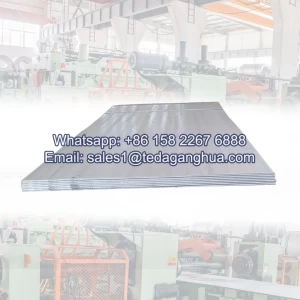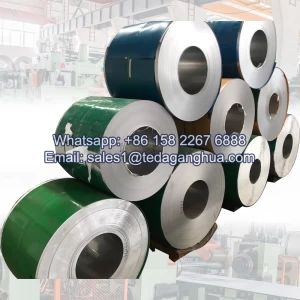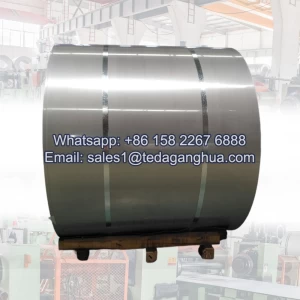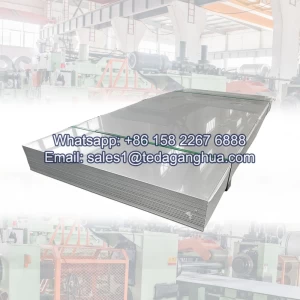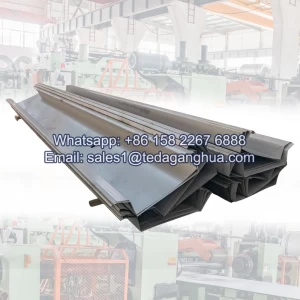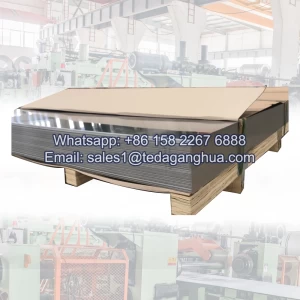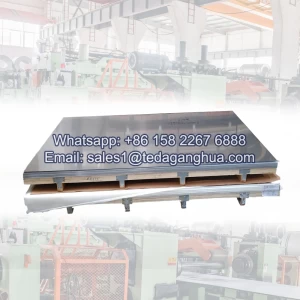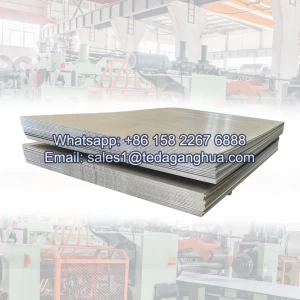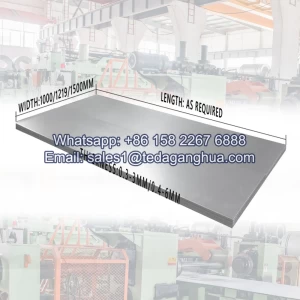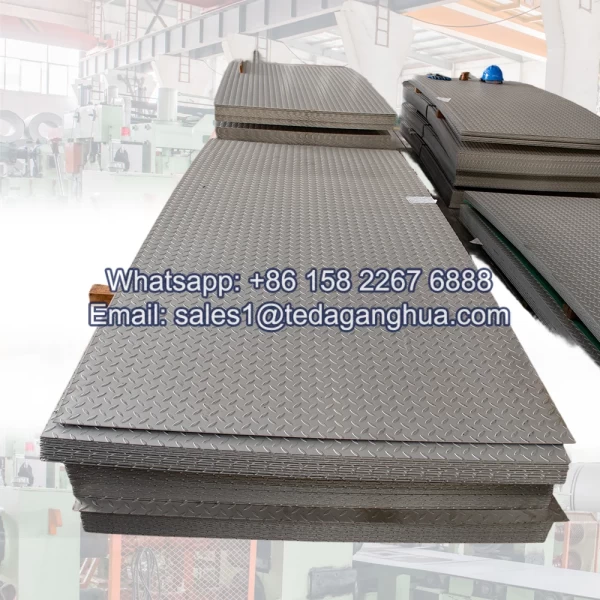
Textured Stainless Steel Sheet Metal
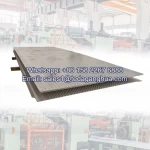
The manufacturing of textured stainless steel sheet metal is a multi-step process centered on surface modification technologies such as embossing, rollen, and etching. Each stage, from raw material preparation to final inspection, plays a critical role in ensuring pattern quality, Haltbarkeit, and performance.
- Beschreibung
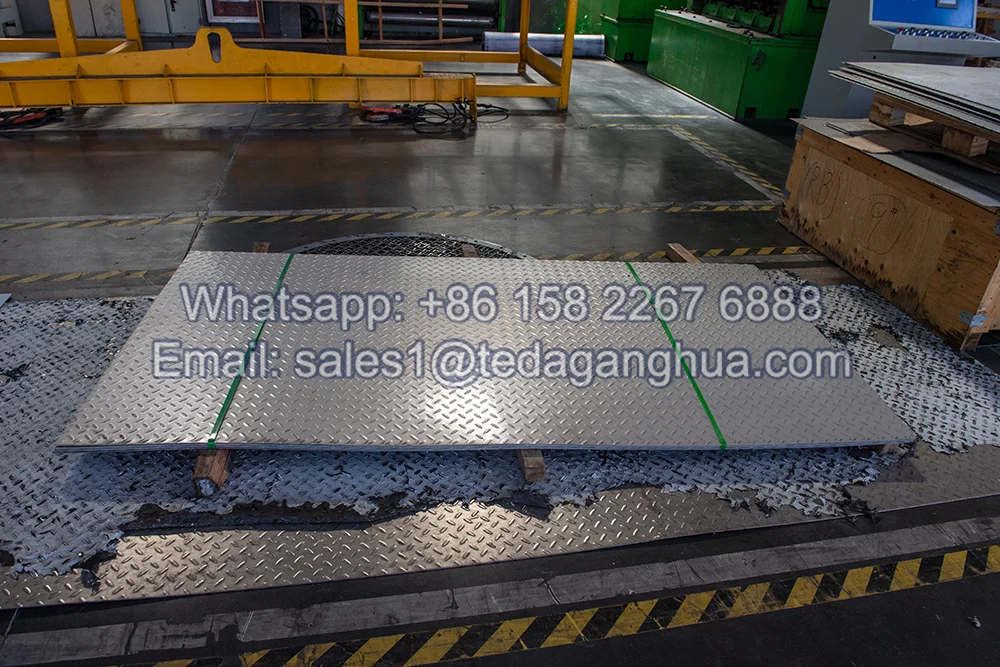
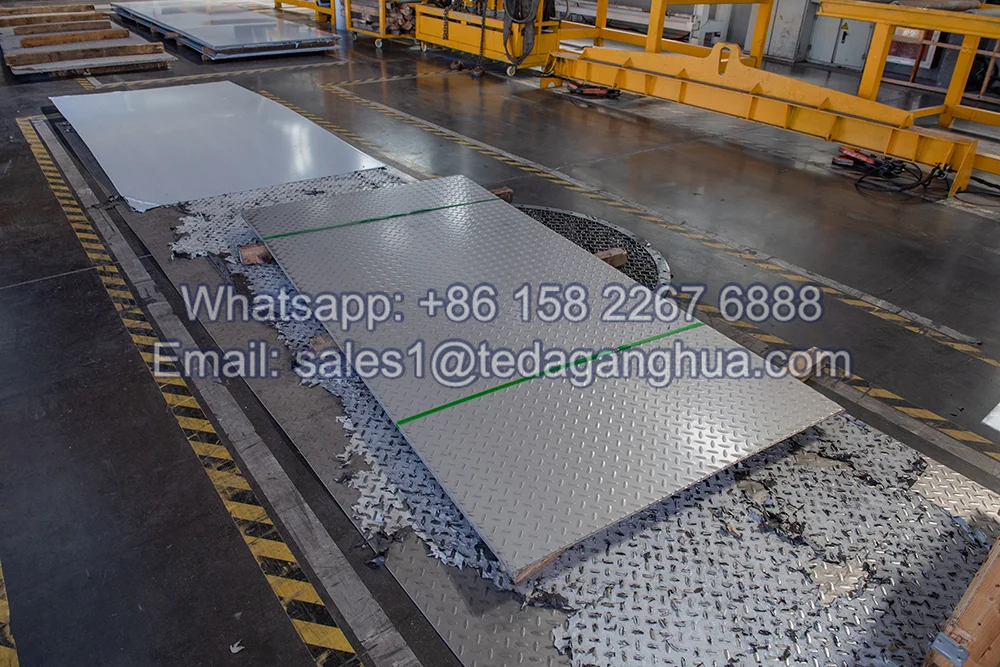
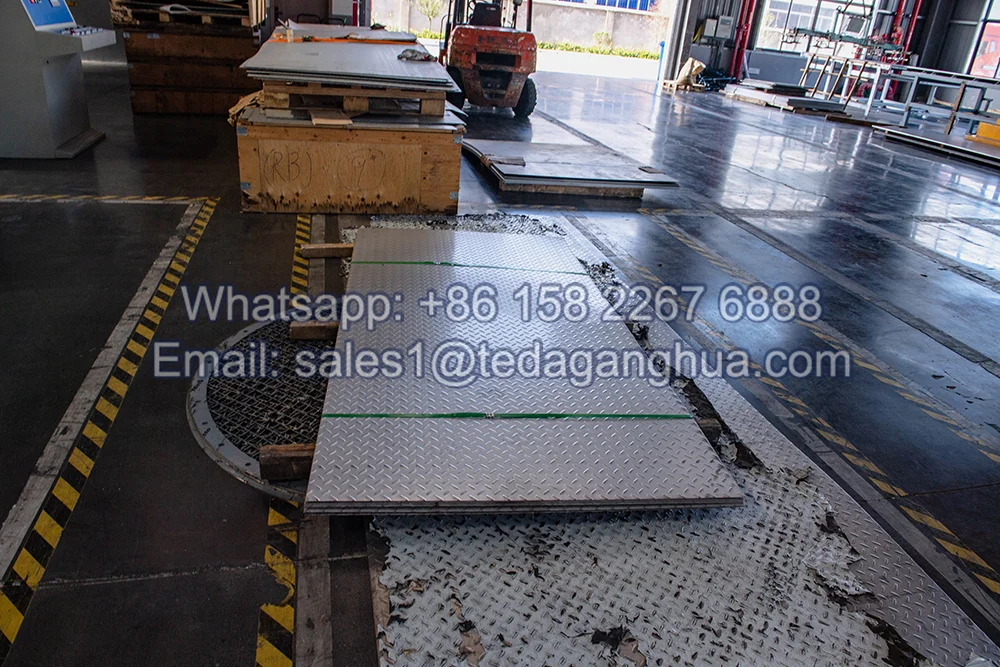
Textured Stainless Steel Sheet Metal refers to stainless steel sheets that have been mechanically or chemically processed to create patterned or embossed surfaces. These textures are designed to enhance slip resistance, improve appearance, and add functional surface properties for industrial and architectural applications.
Manufacturing and Processing Workflow
The production of textured stainless steel sheet metal involves several controlled steps, from base material preparation to final surface finishing.
1. Rohstoffauswahl
The process begins with flat stainless steel sheets or coils, typically in grades such as 304 oder 316.
- Ensures corrosion resistance and mechanical strength
- Determines final performance characteristics
2. Oberflächenvorbereitung
Before texturing, the material surface must be cleaned and leveled.
- إزالة oil, scale, and impurities
- Surface flattening and tension leveling
- Optional pickling or descaling
This step ensures uniform pattern formation in later stages.
3. Texturing Process (Kernschritt)
Roller Embossing (Kaltwalzen)
The most common method for producing textured stainless steel sheets.
- Steel passes through engraved rollers under pressure
- Patterns such as diamond, checker, or leather-like textures are transferred
- Suitable for continuous, high-volume production
Hot Rolling with Patterned Rolls
- Texture is applied during hot rolling stage
- Produces deeper and more durable patterns
- Common for heavy-duty anti-slip plates
Stempeln / Pressing
- Hydraulic presses create localized or customized patterns
- Suitable for thick plates or special designs
- Offers higher pattern depth but lower production efficiency
Chemisches Ätzen
- Surface is partially dissolved using chemical solutions
- Creates fine, precise textures or matte patterns
- Often used for decorative stainless steel sheets
4. Wärmebehandlung (If Required)
After texturing, heat treatment may be applied:
- Annealing to relieve internal stress
- Improves ductility and formability
- Restores corrosion resistance after processing
5. Oberflächenveredelung
Additional finishing processes enhance appearance and functionality:
- Brushing for directional grain
- Polishing for reflective surfaces
- Sandblasting for matte texture
- Beschichtung (optional) for color or protection
6. Schneiden und Konfektionieren
The textured sheets are then processed into required sizes and shapes:
- Laser cutting or shearing
- Biegen und Formen
- Schweißen und Montage
7. Qualitätsprüfung
Final inspection ensures consistency and performance:
- Pattern depth and uniformity
- Surface defect control
- Überprüfung der mechanischen Eigenschaften
- Dimensional tolerance checks
Typical Processing Flow Summary
| Schritt | Beschreibung |
|---|---|
| Rohstoff | Stainless steel coil or sheet (304, 316) |
| Oberflächenvorbereitung | Reinigung, Nivellierung, descaling |
| Texturing Process | Prägung, rollen, Stempeln, or etching |
| Wärmebehandlung | Glühen (falls erforderlich) |
| Oberflächenveredelung | Bürsten, Polieren, Sandstrahlen |
| Herstellung | Schneiden, Biegen, Schweißen |
| Inspektion | Quality and dimensional control |
Key Advantages of This Processing Method
- Enables a wide variety of surface patterns
- Maintains the core corrosion resistance of stainless steel
- Supports both functional (rutschfest) und dekorative Anwendungen
- Suitable for mass production and customized fabrication