لماذا 316 يبدو الفولاذ المقاوم للصدأ "لزجًا" عند القطع بالليزر: آثار الموليبدينوم, سلوك الذوبان, وتحسين العملية
In fiber laser processing of austenitic stainless steels, 316 stainless steel often behaves noticeably different from 304 due to its molybdenum (شهر) content. One of the most important industrial observations is that 316 appears “stickier” during cutting and melting, affecting dross formation, melt flow, and edge cleanliness. Understanding this interaction is essential for optimizing laser parameters in high-precision fabrication.
Why Molybdenum Changes Laser-Material Interaction
Molybdenum is a strong alloying element added to 316 stainless steel to improve corrosion resistance, وخاصة في البيئات الغنية بالكلوريد. لكن, in laser processing, Mo increases melt pool cohesion and changes the surface tension of molten metal.
بالمقارنة مع 304 الفولاذ المقاوم للصدأ, the presence of molybdenum makes the molten pool more stable but less fluid. This reduces drainage efficiency during cutting, which is one of the main reasons 316 is perceived as “stickier.”
304 مقابل 316: Laser Melt Behavior Comparison
| ملكية | 304 الفولاذ المقاوم للصدأ | 316 الفولاذ المقاوم للصدأ (Mo Alloyed) |
|---|---|---|
| محتوى الموليبدينوم | لا أحد | 2.0-2.5% |
| Melt Pool Viscosity | أدنى, more fluid | أعلى, more cohesive |
| Surface Tension | معتدل | أعلى, increases adhesion |
| Dross Formation | Lower tendency | Higher tendency (“sticky slag”) |
| الموصلية الحرارية | أعلى قليلا | أقل قليلا |
لماذا 316 Feels “Stickier” in Laser Cutting
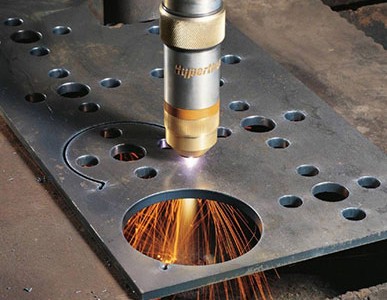
The “stickiness” of 316 stainless steel during laser cutting is mainly caused by its higher melt viscosity and stronger surface tension. Molten metal does not separate as easily from the cutting kerf, leading to increased adhesion along the bottom edge.
This effect is amplified under high-power fiber laser conditions, where rapid heating creates a dense molten pool that resists expulsion by assist gas. نتيجة ل, operators often observe more persistent dross compared to 304.
Thermal and Fluid Dynamics in the Melt Zone
During laser-material interaction, energy absorption causes localized melting. في 316 الفولاذ المقاوم للصدأ, molybdenum strengthens atomic bonding in the liquid phase, increasing cohesion within the melt pool. This reduces flowability and slows down material ejection.
The result is a narrower process window for clean cutting, requiring more precise control of nitrogen pressure, focal position, وسرعة القطع.
Industrial Implications for Laser Processing
In industrial applications such as chemical equipment, marine components, and food-grade fabrication, 316 stainless steel is widely used due to its corrosion resistance. لكن, its “stickier” behavior demands higher process control standards in laser cutting systems.
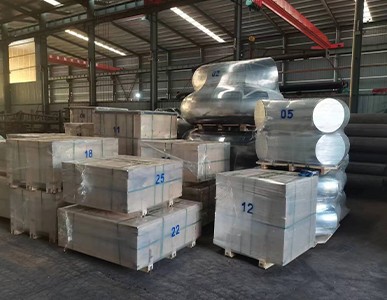
Proper parameter tuning helps reduce dross formation and improves weld-ready edge quality, especially when working with high-grade لوحة الفولاذ المقاوم للصدأ used in precision fabrication.
Process Optimization Insights
To compensate for the increased stickiness of 316 الفولاذ المقاوم للصدأ, operators typically adjust nitrogen assist gas pressure, reduce cutting speed slightly, and fine-tune focus position to improve melt ejection efficiency.
A more stable molten pool can be beneficial in some cases, but only when combined with sufficient gas flow to prevent adhesion along the kerf walls.
التعليمات
Why does molybdenum make 316 stainless steel more “sticky” during laser cutting?
Molybdenum increases melt pool viscosity and surface tension, making molten metal less fluid and more likely to adhere to cut edges.
يكون 316 stainless steel harder to laser cut than 304?
نعم, 316 generally requires more precise parameter control due to its higher alloy content and reduced melt flowability.
How does stickiness affect dross formation?
Higher stickiness leads to slower melt ejection, increasing the likelihood of dross accumulation along the bottom edge.
Can higher gas pressure reduce the stickiness effect?
نعم, increased nitrogen pressure helps improve molten metal removal and reduces adhesion during cutting.
Does molybdenum affect weldability after laser cutting?
Molybdenum improves corrosion resistance but does not negatively affect weldability when edges are properly cut with optimized parameters.