
- คำอธิบาย
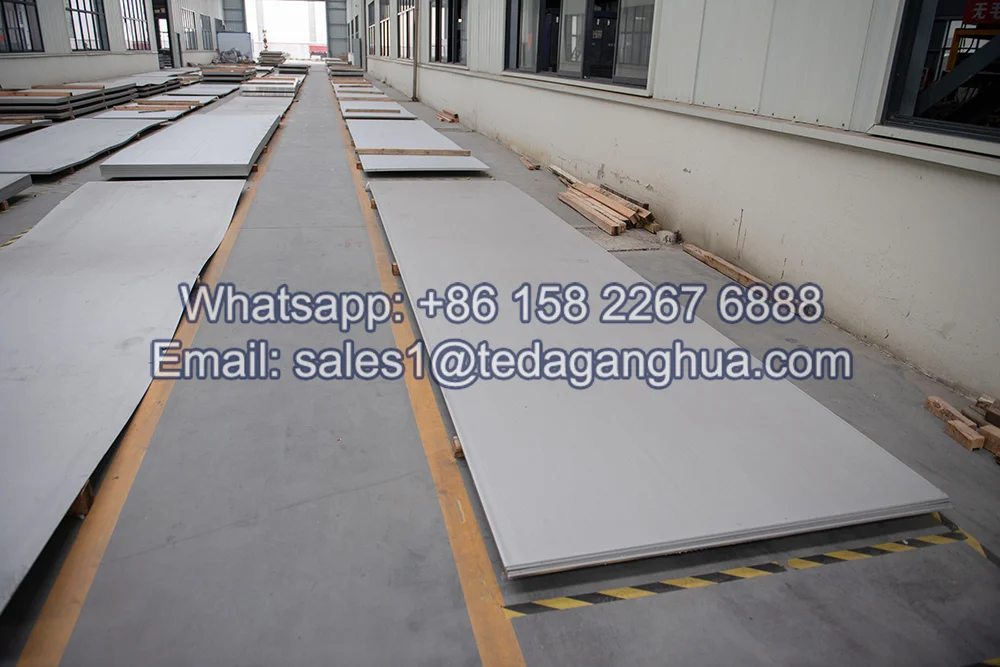
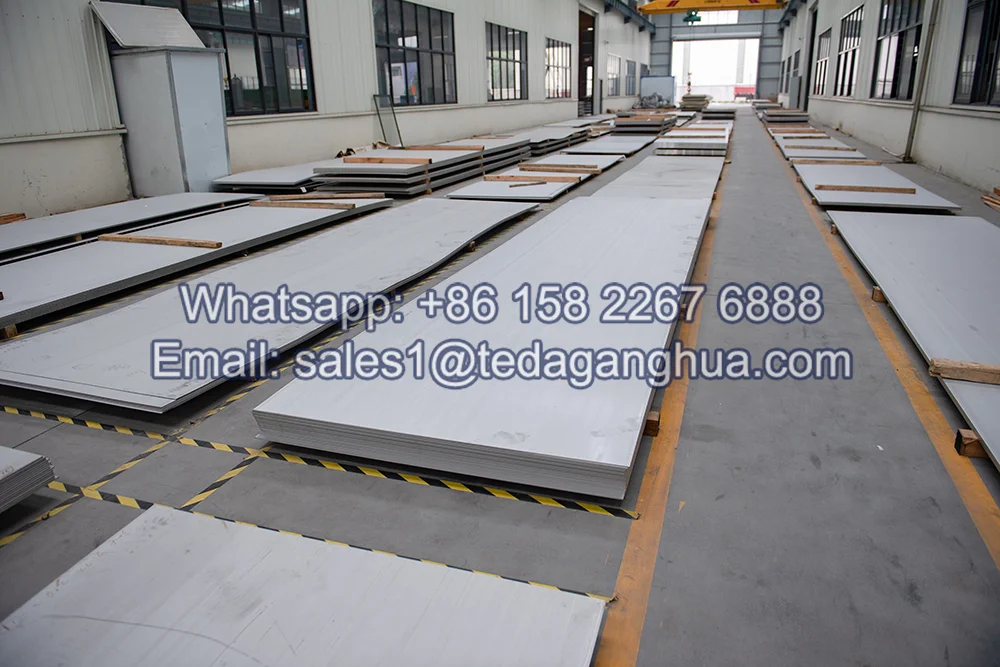
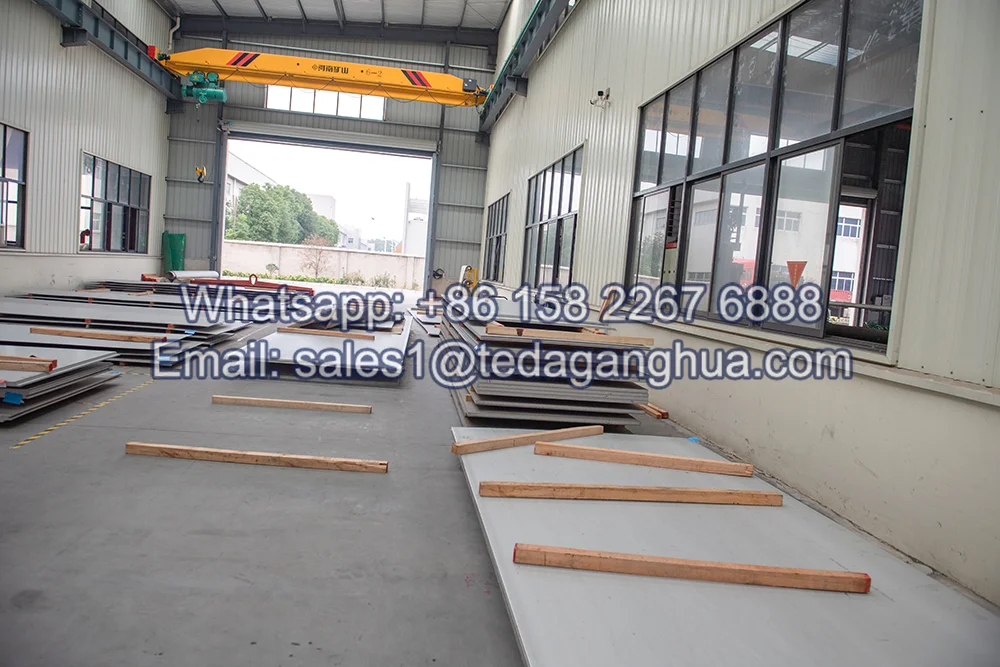
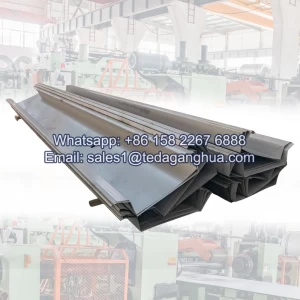
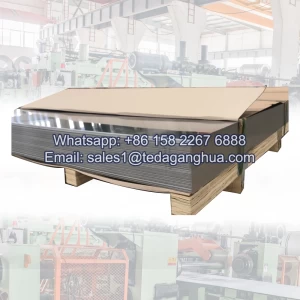
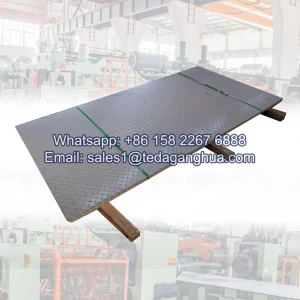
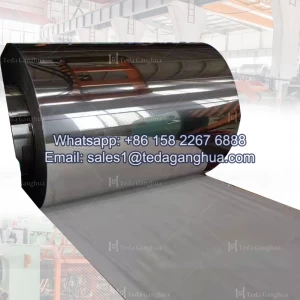
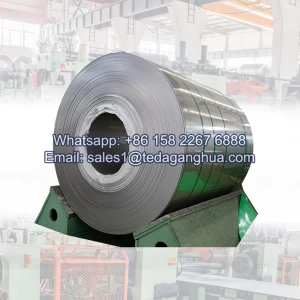
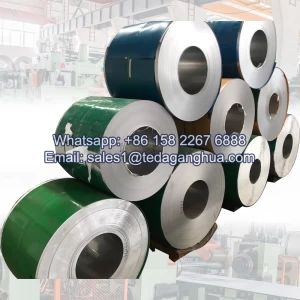
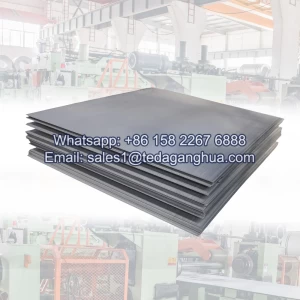
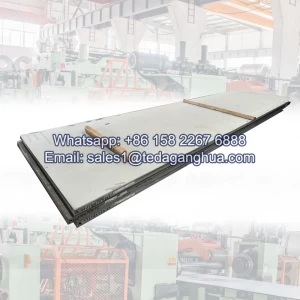
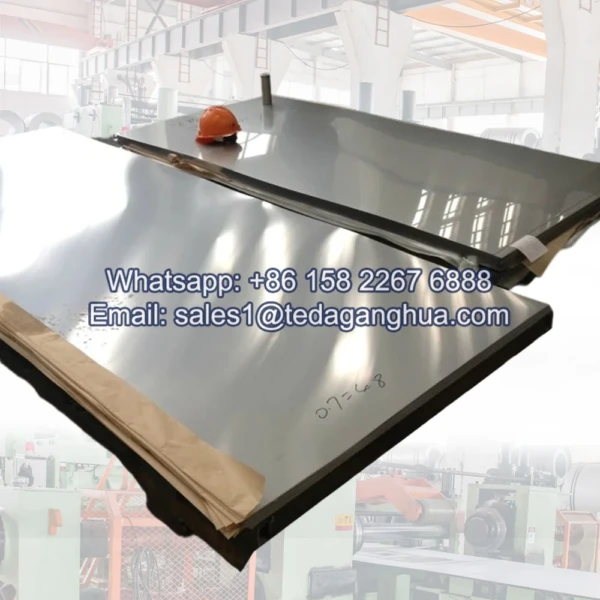
Thick stainless steel sheet refers to medium and heavy gauge stainless steel plates used in structural engineering, อุปกรณ์อุตสาหกรรม, เรือกดดัน, การต่อเรือ, การผลิตเครื่องจักร, and heavy fabrication industries. Compared with thin stainless steel sheets, thick plates provide higher strength, ความสามารถในการรับน้ำหนักที่ดีขึ้น, และเสถียรภาพของโครงสร้างที่ดีขึ้น.
The definition of “thick” stainless steel sheet varies by industry, but materials above approximately 3 mm thickness are generally classified as medium or thick stainless steel plates.
1. Common Thickness Range of Stainless Steel Sheets and Plates
| หมวดหมู่ | ช่วงความหนา | การใช้งานทั่วไป |
|---|---|---|
| Thin Stainless Steel Sheet | 0.3 มม. – 3 มม | การตกแต่ง, อุปกรณ์ครัว, การผลิตที่แม่นยำ |
| Medium Thickness Plate | 3 มม. – 20 มม | การประดิษฐ์โครงสร้าง, รถถัง, เครื่องจักร |
| Thick Stainless Steel Plate | 20 มม. – 60 มม | Heavy industry, เรือกดดัน |
| Extra Thick Stainless Steel Plate | 60 มม. ขึ้นไป | นอกชายฝั่ง, การต่อเรือ, heavy engineering |
2. Common Standard Thickness Specifications
The following thicknesses are commonly available in international stainless steel markets:
Thin to Medium Thickness
- 1 มม
- 1.5 มม
- 2 มม
- 3 มม
- 4 มม
- 5 มม
- 6 มม
Medium to Heavy Thickness
- 8 มม
- 10 มม
- 12 มม
- 14 มม
- 16 มม
- 20 มม
- 25 มม
Heavy Plate Thickness
- 30 มม
- 40 มม
- 50 มม
- 60 มม
- 80 มม
- 100 มม. ขึ้นไป
3. ข้อมูลจำเพาะความกว้างและความยาวทั่วไป
Thick stainless steel sheets are typically supplied in standard plate dimensions.
| ความกว้าง | ความยาวทั่วไป |
|---|---|
| 1000 มม | 2000 มม |
| 1219 มม | 2438 มม |
| 1500 มม | 3000 มม |
| 1800 มม | 6000 มม |
| 2000 มม | 6000 มม |
Custom cutting and processing sizes are also common in industrial applications.
4. Hot Rolled vs Cold Rolled Thickness Range
Cold Rolled Stainless Steel
- Usually produced from 0.3 มิลลิเมตรถึง 6 มม
- Better surface finish and dimensional accuracy
- Common surface finishes: 2บี, ปริญญาตรี, แปรง
สแตนเลสรีดร้อน
- Commonly produced above 3 ความหนา มม
- Suitable for heavy plates and structural applications
- Typical surface finish: จบอันดับ 1
Thicker stainless steel plates are generally manufactured using hot rolling processes.
5. Common Stainless Steel Grades for Thick Plates
| ระดับ | ลักษณะหลัก |
|---|---|
| 304 | ความต้านทานการกัดกร่อนทั่วไป |
| 304ล | ความสามารถในการเชื่อมที่ดีขึ้น |
| 316 | Improved chloride resistance |
| 316ล | คาร์บอนต่ำ, chemical applications |
| 310ส | ทนต่ออุณหภูมิสูง |
| 2205 ดูเพล็กซ์ | มีความแข็งแรงสูงและทนต่อการกัดกร่อน |
6. Industrial Applications of Thick Stainless Steel Plates
Thick stainless steel sheets are widely used in:
- ภาชนะรับความดัน
- ถังเก็บสารเคมี
- โครงสร้างการต่อเรือ
- แพลตฟอร์มนอกชายฝั่ง
- Heavy machinery manufacturing
- เครื่องแลกเปลี่ยนความร้อน
- ท่ออุตสาหกรรม
- Structural engineering systems
7. Processing Characteristics of Thick Stainless Steel
As thickness increases, processing difficulty also increases.
วิธีการประมวลผลทั่วไป:
- การตัดพลาสม่า
- การตัดด้วยระบบวอเตอร์เจ็ท
- เครื่องจักรกลซีเอ็นซี
- Heavy plate welding
- Rolling and forming
ข้อควรพิจารณาที่สำคัญ:
- Higher welding heat input required
- Stronger forming equipment needed
- Slower machining speed
- Stress control during fabrication