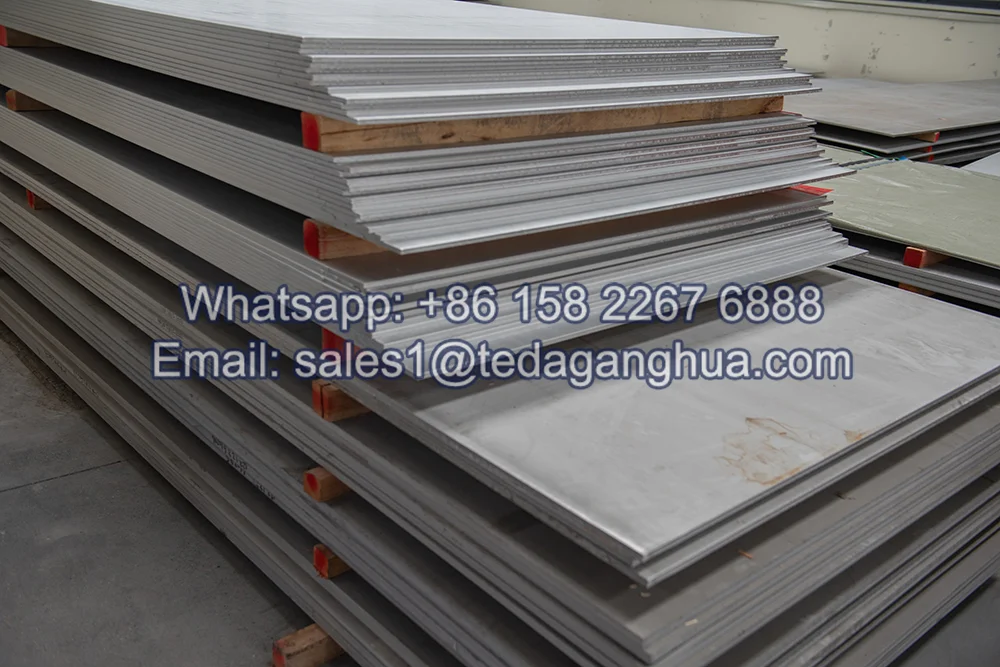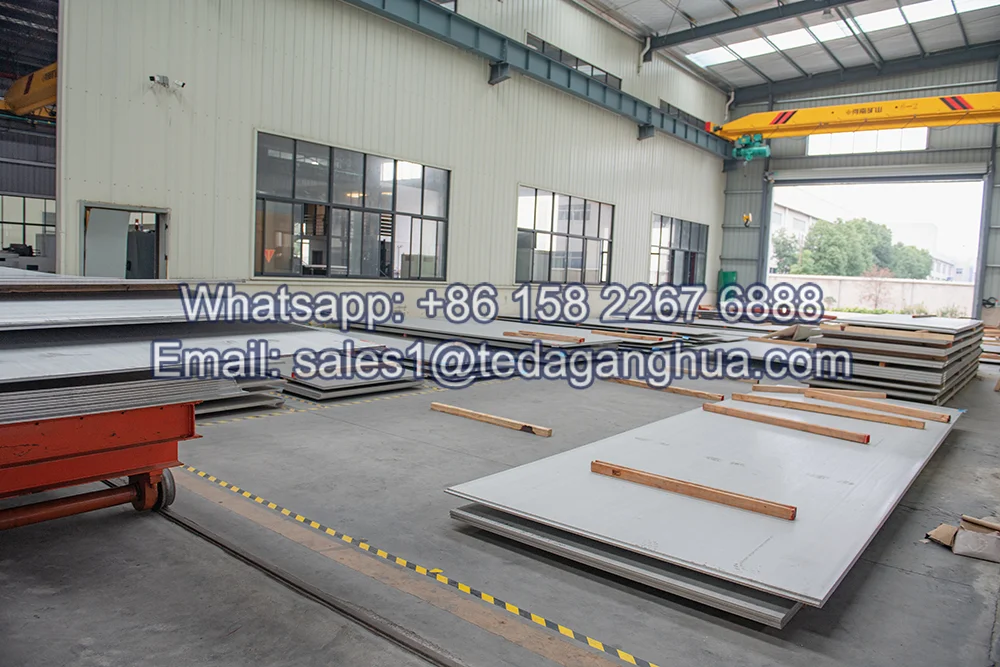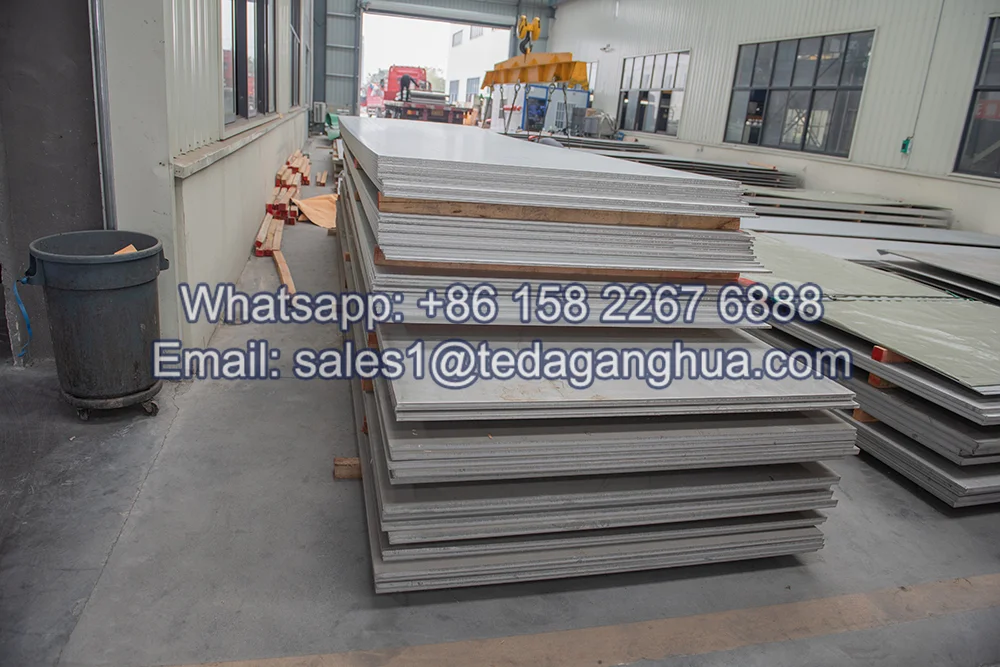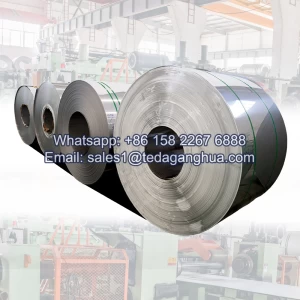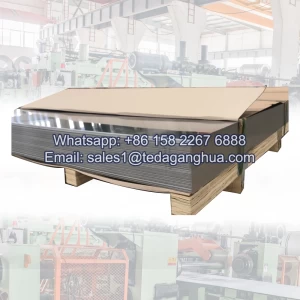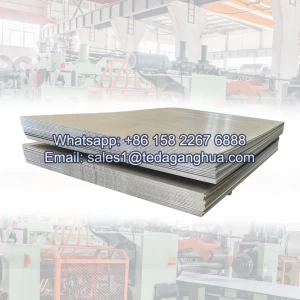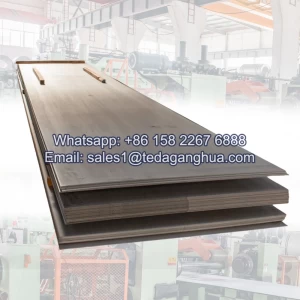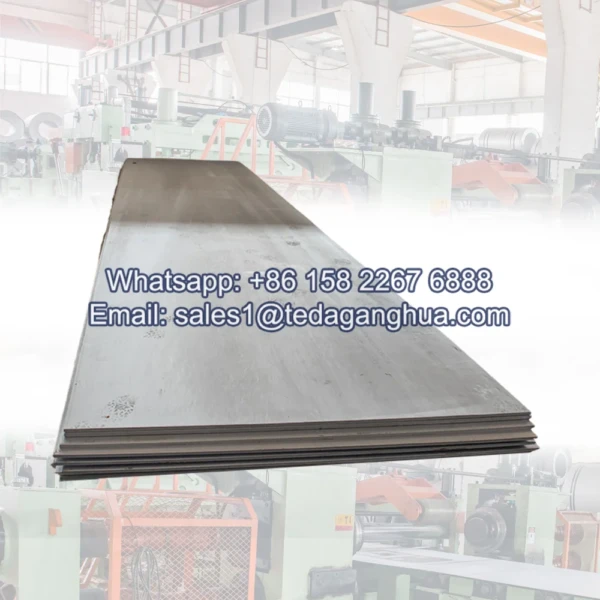
แผ่นเหล็กสแตนเลส

Stainless steel sheets of metal are classified into different series based on microstructure and alloy composition, which determine their mechanical properties and performance in different environments.
The main stainless steel series include:
- ออสเตนนิติก (300 ชุด)
- เฟอริติก (400 ชุด)
- มาร์เทนซิติก
- ดูเพล็กซ์
- การตกตะกอนแข็งตัว
- คำอธิบาย
Stainless steel sheets of metal มีการใช้กันอย่างแพร่หลายในการก่อสร้าง, การผลิต, การแปรรูปอาหาร, และวิศวกรรมอุตสาหการ. They are available in different series and grades, and each series is designed based on specific chemical composition and performance requirements.
The classification of stainless steel sheets is mainly determined by microstructure, องค์ประกอบของโลหะผสม, และสภาพแวดล้อมการใช้งาน, which directly define the material’s corrosion resistance, ความแข็งแกร่ง, and heat resistance.
How Stainless Steel Series Are Defined
Stainless steel sheet metal is mainly categorized according to metallurgical structure, which is influenced by alloying elements such as chromium, นิกเกิล, โมลิบดีนัม, and carbon.
The main factors that define a stainless steel series include:
- โครเมียม (Cr) content → corrosion resistance
- นิกเกิล (ใน) content → toughness and stability
- โมลิบดีนัม (โม) content → pitting resistance
- คาร์บอน (ค) content → hardness and strength
- Heat treatment behavior → microstructure type
Based on these factors, stainless steel is divided into several major series.
1. เหล็กกล้าไร้สนิมออสเทนนิติก (300 ชุด)
Austenitic stainless steel is the most widely used category.
Typical grades:
- 201
- 304
- 316
- 321
- 310ส
Key characteristics:
- ไม่ใช่แม่เหล็ก
- ทนต่อการกัดกร่อนได้ดีเยี่ยม
- ขึ้นรูปและเชื่อมได้ดี
- High ductility
Why it is defined:
- High chromium (16–25%)
- High nickel content stabilizes austenite structure
การใช้งาน:
- อุปกรณ์ครัว
- Food processing
- อุตสาหกรรมเคมีภัณฑ์
- แผงสถาปัตยกรรม
- การผลิตทางอุตสาหกรรม
2. สเตนเลสเฟอร์ริติก (400 ชุด)
Ferritic stainless steel is mainly chromium-based and has no or very low nickel content.
Typical grades:
- 409
- 410
- 430
Key characteristics:
- แม่เหล็ก
- ความต้านทานการกัดกร่อนปานกลาง
- ต้นทุนที่ต่ำกว่าเมื่อเทียบกับ 300 ชุด
- ต้านทานการแตกร้าวจากการกัดกร่อนจากความเค้นได้ดี
Why it is defined:
- High chromium (10.5–30%)
- ปริมาณนิกเกิลต่ำ
- Ferrite microstructure at room temperature
การใช้งาน:
- ระบบไอเสียรถยนต์
- เครื่องใช้ในบ้าน
- อุปกรณ์อุตสาหกรรม
- แผงตกแต่ง
3. เหล็กกล้าไร้สนิมมาร์เทนซิติก
Martensitic stainless steel is known for high hardness and strength.
Typical grades:
- 410
- 420
- 440ค
Key characteristics:
- แม่เหล็ก
- รักษาความร้อนได้
- High hardness after quenching
- ความต้านทานการกัดกร่อนต่ำกว่า 304/316
Why it is defined:
- Higher carbon content
- Controlled heat treatment forms martensite structure
การใช้งาน:
- ช้อนส้อม
- Surgical tools
- ชิ้นส่วนเครื่องจักรกล
- Wear-resistant components
4. ดูเพล็กซ์สแตนเลส (2000 ชุด)
Duplex stainless steel combines austenitic and ferritic structures.
Typical grades:
- 2205
- 2507
Key characteristics:
- Very high strength
- Excellent chloride corrosion resistance
- ทนต่อการกัดกร่อนจากความเครียดได้ดี
Why it is defined:
- Balanced austenite + ferrite microstructure
- Higher chromium and molybdenum content
การใช้งาน:
- แพลตฟอร์มนอกชายฝั่ง
- ถังเคมี
- โครงสร้างทางทะเล
- ภาชนะรับความดัน
5. การตกตะกอนการชุบแข็งสแตนเลส
This group is strengthened through heat treatment and precipitation hardening.
Typical grades:
- 17-4พีเอช
- 15-5พีเอช
Key characteristics:
- Very high strength
- ทนต่อการกัดกร่อนได้ดี
- Heat treatable to different strength levels
การใช้งาน:
- Aerospace parts
- ส่วนประกอบทางกลที่มีความแข็งแรงสูง
- Engineering structures
Stainless Steel Series Classification Summary
| ชุด | Structure Type | คุณสมบัติที่สำคัญ | เกรดทั่วไป |
|---|---|---|---|
| 200/300 ชุด | ออสเตนนิติก | Best corrosion resistance | 201, 304, 316 |
| 400 ชุด | Ferritic/Martensitic | แม่เหล็ก, คุ้มค่า | 410, 430 |
| ดูเพล็กซ์ | Mixed phase | มีความแข็งแรงสูง + ความต้านทานการกัดกร่อน | 2205, 2507 |
| PH Series | Precipitation hardened | Very high strength | 17-4พีเอช |
How Grade Numbers Are Assigned
Stainless steel grade numbers (เช่น 304, 316, 430) are defined by international standards such as:
- มาตรฐาน ASTM (สมาคมอเมริกันเพื่อการทดสอบและวัสดุ)
- เอไอเอส (สถาบันเหล็กและเหล็กกล้าอเมริกัน)
- ใน / DIN standards (ยุโรป)
- JIS standards (ญี่ปุ่น)
The numbering system is not random; it reflects:
- Chemical composition range
- คุณสมบัติทางกล
- Intended application category
- Historical classification system
ตัวอย่างเช่น:
- 304 = general-purpose austenitic stainless steel
- 316 = molybdenum-enhanced corrosion-resistant grade
- 430 = ferritic stainless steel for general use