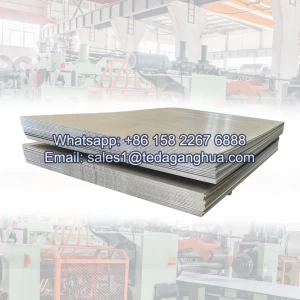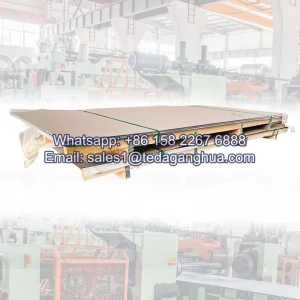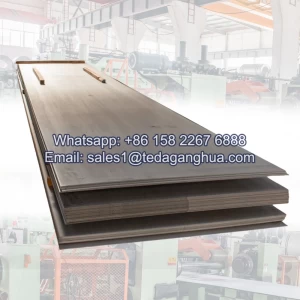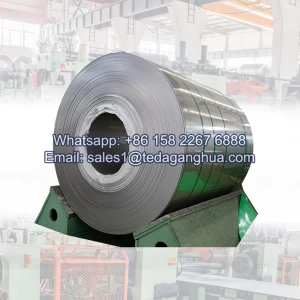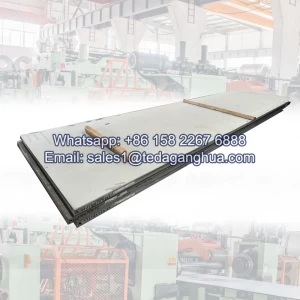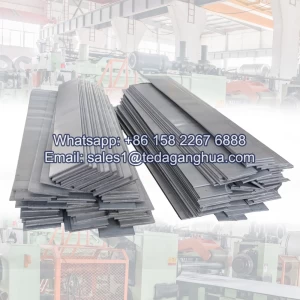
316l แผ่นสแตนเลส
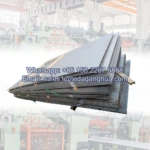
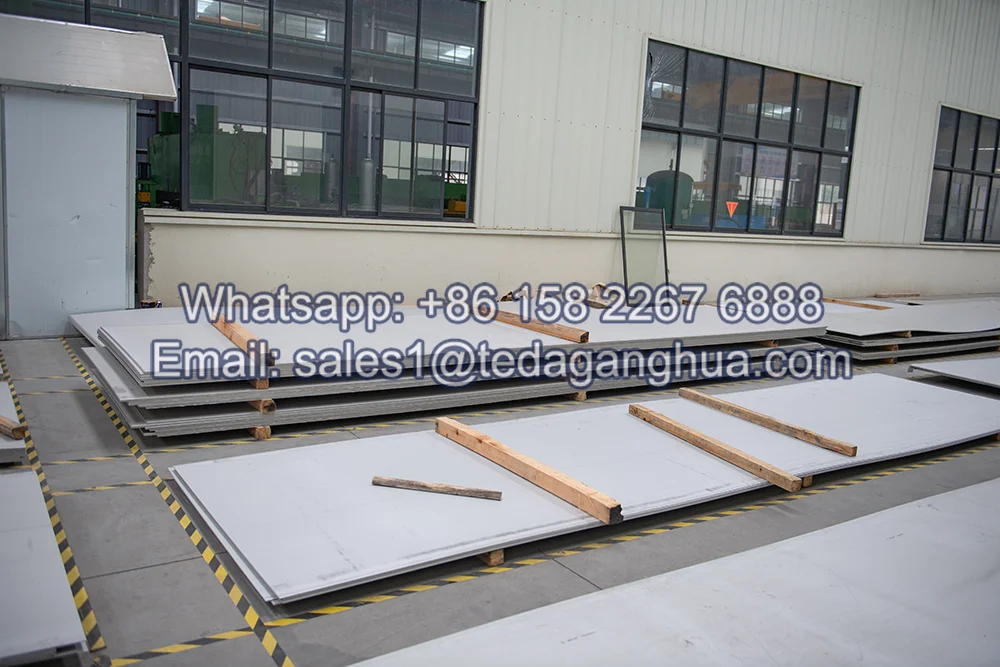
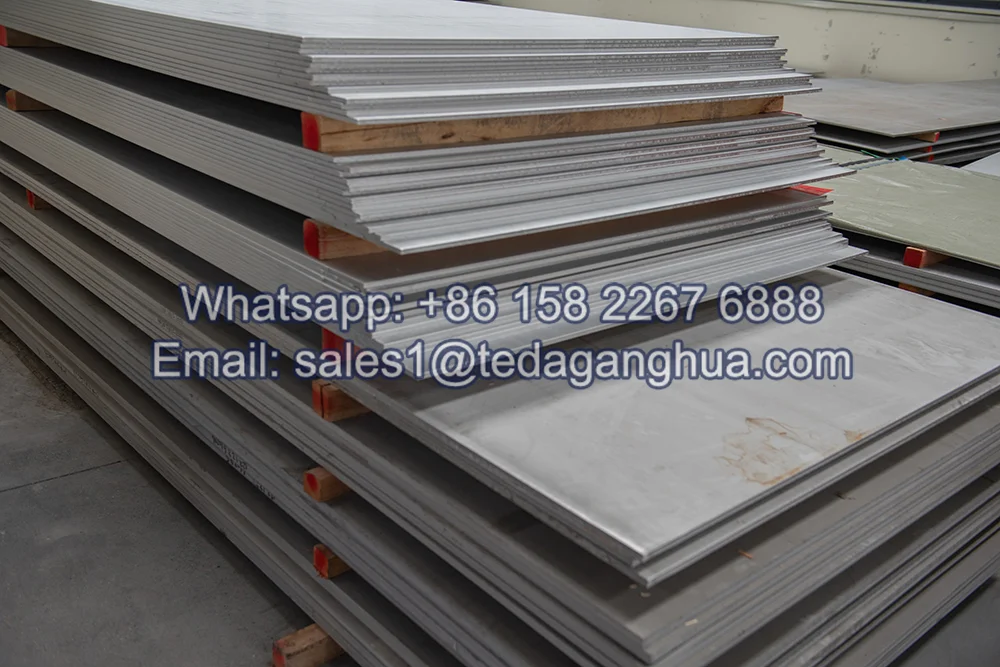
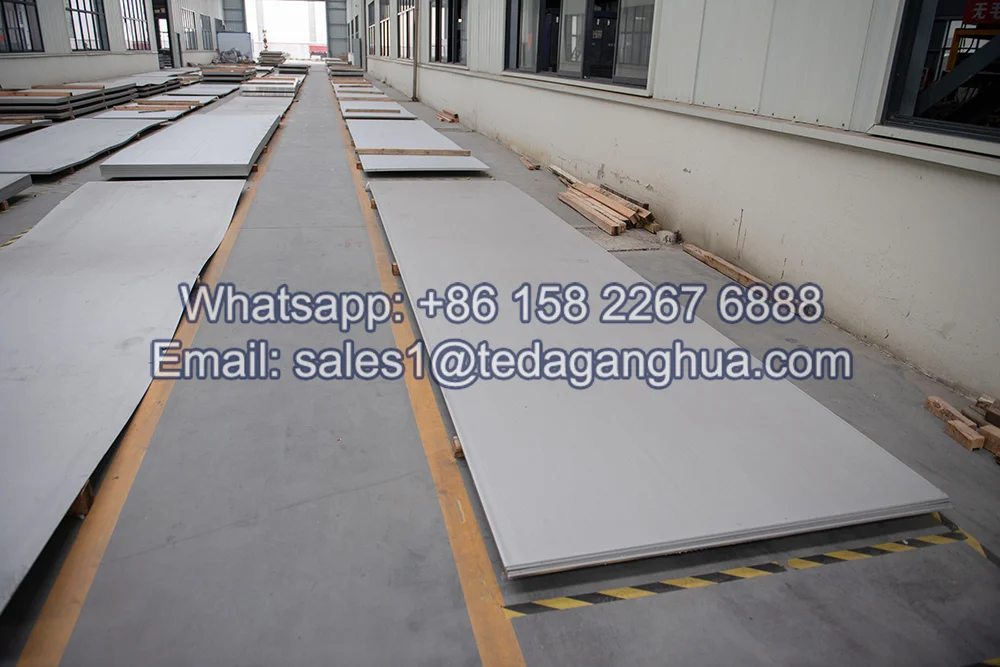
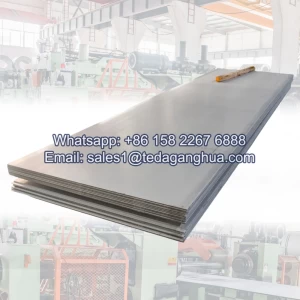
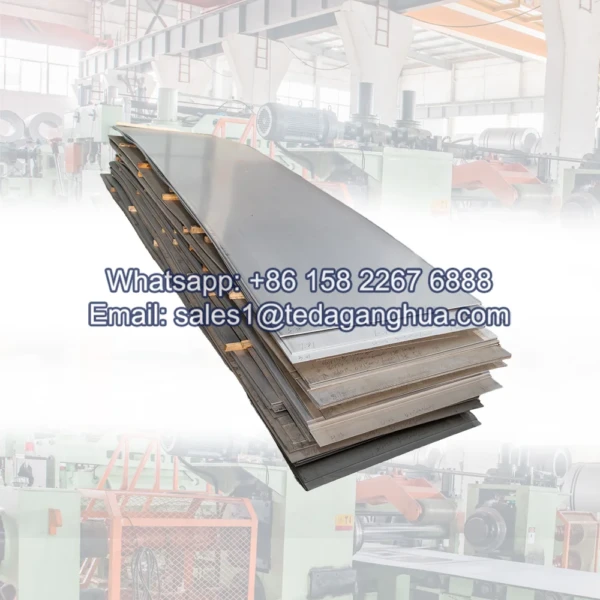
316L Stainless Steel Sheet is an optimized low-carbon version of 316 สแตนเลส, designed to improve corrosion resistance after welding. เมื่อเทียบกับ 316, it offers superior resistance to intergranular corrosion and better weldability, making it the preferred choice for welded structures in marine, เคมี, and hygienic applications where long-term stability is required.
- คำอธิบาย
316L Stainless Steel Sheet is a low-carbon version of 316 สแตนเลส, widely used in marine engineering, การแปรรูปทางเคมี, pharmaceutical equipment, and high-corrosion environments. มันเป็นของ 300 series austenitic stainless steel, offering excellent corrosion resistance and improved welding performance compared with standard 316.
Chemical Composition of 316L Stainless Steel
| องค์ประกอบ | เนื้อหา (%) |
|---|---|
| โครเมียม (Cr) | 16.0 – 18.0 |
| นิกเกิล (ใน) | 10.0 – 14.0 |
| โมลิบดีนัม (โม) | 2.0 – 3.0 |
| คาร์บอน (ค) | ≤ 0.03 |
| แมงกานีส (มน) | ≤ 2.0 |
| ซิลิคอน (และ) | ≤ 1.0 |
| เหล็ก (เฟ) | สมดุล |
The most important difference is the reduced carbon content (≤0.03%), which significantly improves corrosion resistance after welding.
Key Performance of 316L Stainless Steel Sheet
1. ทนต่อการกัดกร่อนได้ดีเยี่ยม
- Superior resistance to chloride corrosion
- Strong performance in seawater and marine environments
- Excellent resistance to chemical acids and industrial media
2. Improved Weldability
- Low carbon content reduces carbide precipitation
- Minimizes intergranular corrosion after welding
- No need for post-weld heat treatment in most cases
3. Good Mechanical Properties
- Balanced strength and ductility
- Excellent toughness at low temperatures
- Suitable for forming and fabrication processes
4. High Stability in Harsh Environments
- Maintains corrosion resistance after fabrication
- Suitable for long-term service in aggressive conditions
- Stable performance in both high and low temperatures
316L vs 316 สแตนเลส
Although both grades are very similar in composition, the carbon content creates important performance differences.
| คุณสมบัติ | 316 สแตนเลส | 316แอลสแตนเลส |
| ปริมาณคาร์บอน | ≤ 0.08% | ≤ 0.03% |
| Corrosion Resistance After Welding | ดี | ยอดเยี่ยม |
| ความเสี่ยงต่อการกัดกร่อนตามขอบเกรน | สูงกว่า | ต่ำมาก |
| ความสามารถในการเชื่อม | ดี | ยอดเยี่ยม |
| ความแข็งแกร่ง | สูงขึ้นเล็กน้อย | ต่ำกว่าเล็กน้อย |
| Fabrication Stability | ดี | ดีกว่า |
การเปรียบเทียบประสิทธิภาพ
1. ความต้านทานการกัดกร่อน
- 316แอล สแตนเลส performs better in welded structures because low carbon prevents carbide precipitation.
- 316 สแตนเลส may require controlled welding to avoid localized corrosion.
2. ประสิทธิภาพการเชื่อม
- 316L is widely preferred for welded components
- It reduces the need for post-weld annealing
- Maintains corrosion resistance in heat-affected zones
3. ความแข็งแรงทางกล
- 316 has slightly higher strength due to higher carbon content
- 316L prioritizes corrosion resistance and weld stability
การใช้งานทั่วไป
316 สแตนเลส
- โครงสร้างทางทะเล
- ถังเคมี
- อุปกรณ์อุตสาหกรรม
- เครื่องแลกเปลี่ยนความร้อน
316แอลสแตนเลส
- Pharmaceutical equipment
- ระบบแปรรูปอาหาร
- Welded pipelines
- แพลตฟอร์มนอกชายฝั่ง
- Medical and hygienic equipment