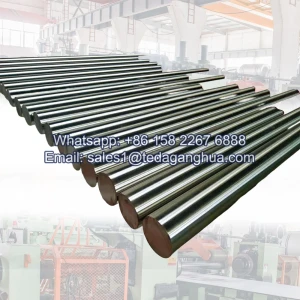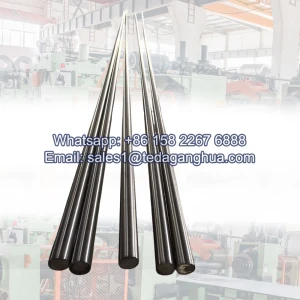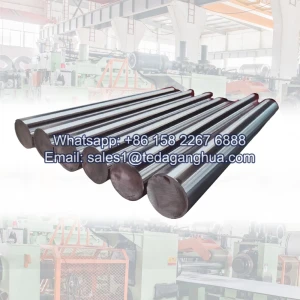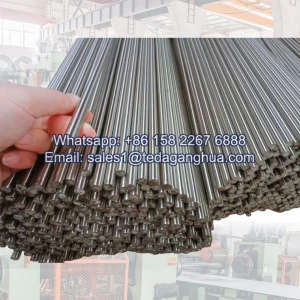

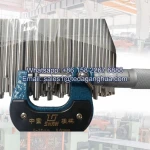
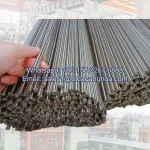
- คำอธิบาย
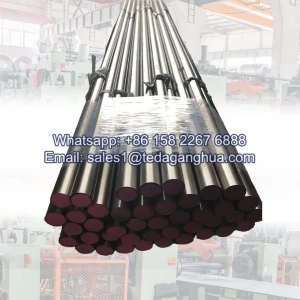
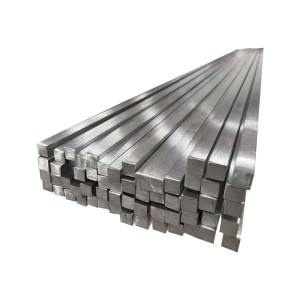
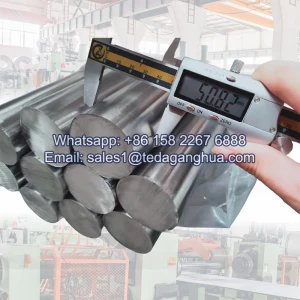
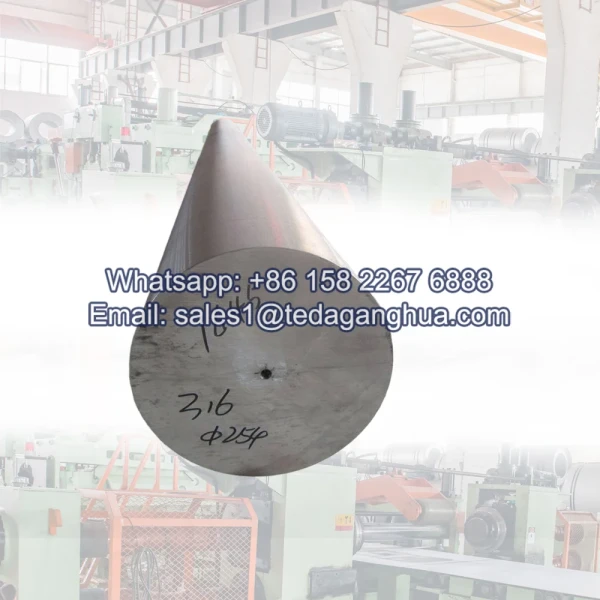
316 บาร์สแตนเลส: องค์ประกอบและลักษณะการทำงาน
316 stainless bar is an austenitic stainless steel widely used in marine, เคมี, การแปรรูปอาหาร, and pharmaceutical industries. It is an upgraded version of 304 สแตนเลส, with molybdenum added to significantly improve resistance to pitting corrosion and chloride attack.
เนื่องจากการออกแบบโลหะผสมที่สมดุล, 316 stainless bar offers excellent corrosion resistance, ความแข็งแรงทางกลที่ดี, and stable performance in harsh environments such as seawater, acidic media, and high-humidity conditions.
องค์ประกอบทางเคมีของ 316 สแตนเลส
The key performance advantage of 316 stainless bar comes from the addition of molybdenum (โม), which enhances resistance to localized corrosion such as pitting and crevice corrosion.
| องค์ประกอบ | เนื้อหาทั่วไป (%) | การทำงาน |
|---|---|---|
| โครเมียม (Cr) | 16.0 – 18.0 | ความต้านทานการกัดกร่อนและการเกิดออกซิเดชัน |
| นิกเกิล (ใน) | 10.0 – 14.0 | ความมั่นคงและความเหนียวของออสเทนนิติก |
| โมลิบดีนัม (โม) | 2.0 – 3.0 | Improves resistance to pitting and chloride corrosion |
| คาร์บอน (ค) | ≤ 0.08 | ควบคุมความแข็งและความสามารถในการเชื่อม |
| แมงกานีส (มน) | ≤ 2.0 | Improves hot workability |
| ซิลิคอน (และ) | ≤ 1.0 | ช่วยเพิ่มความต้านทานต่อการเกิดออกซิเดชัน |
| ฟอสฟอรัส (ป) | ≤ 0.045 | ควบคุมความเปราะบาง |
| กำมะถัน (ส) | ≤ 0.03 | ปรับปรุงความสามารถในการแปรรูป (ระดับการควบคุม) |
| เหล็ก (เฟ) | สมดุล | เมทริกซ์ฐาน |
ข้อได้เปรียบด้านประสิทธิภาพที่สำคัญของ 316 บาร์สแตนเลส
316 stainless bar is designed for demanding environments where standard stainless steels may fail due to corrosion or chemical exposure.
- Excellent resistance to chloride-induced corrosion
- High resistance to pitting and crevice corrosion
- Strong performance in acidic and chemical environments
- Good mechanical strength and toughness
- Stable performance in high-humidity and marine conditions
Role of Molybdenum in 316 สแตนเลส
The most important element in 316 stainless bar is molybdenum. It significantly improves the material’s ability to resist localized corrosion, especially in chloride-rich environments such as seawater or de-icing salts.
- Reduces pitting corrosion risk
- Improves crevice corrosion resistance
- Enhances performance in seawater exposure
- Increases durability in chemical processing systems
Comparison of Alloy Content with 304 สแตนเลส
| ระดับ | โครเมียม | นิกเกิล | โมลิบดีนัม | ความแตกต่างหลัก |
|---|---|---|---|---|
| 304 | 18–20% | 8–10% | ไม่มี | ความต้านทานการกัดกร่อนทั่วไป |
| 316 | 16–18% | 10–14% | 2–3% | Superior chloride resistance |
ความสำคัญทางอุตสาหกรรมของ 316 Stainless Bar Composition
The combination of chromium, นิกเกิล, and molybdenum in 316 stainless bar creates a highly stable austenitic structure that performs reliably in aggressive environments. This makes it one of the most trusted materials in corrosion-critical engineering applications.
ในห่วงโซ่อุปทานระดับโลก, ซัพพลายเออร์เช่น เทดา กังฮวา provide controlled-chemistry 316 stainless bars with stable metallurgical performance and consistent quality for industrial manufacturing needs.
Application-Driven Material Performance
- Marine and offshore engineering components
- Chemical and petrochemical processing equipment
- Food and pharmaceutical machinery parts
- Medical and sanitary-grade equipment
- Industrial fasteners and structural components
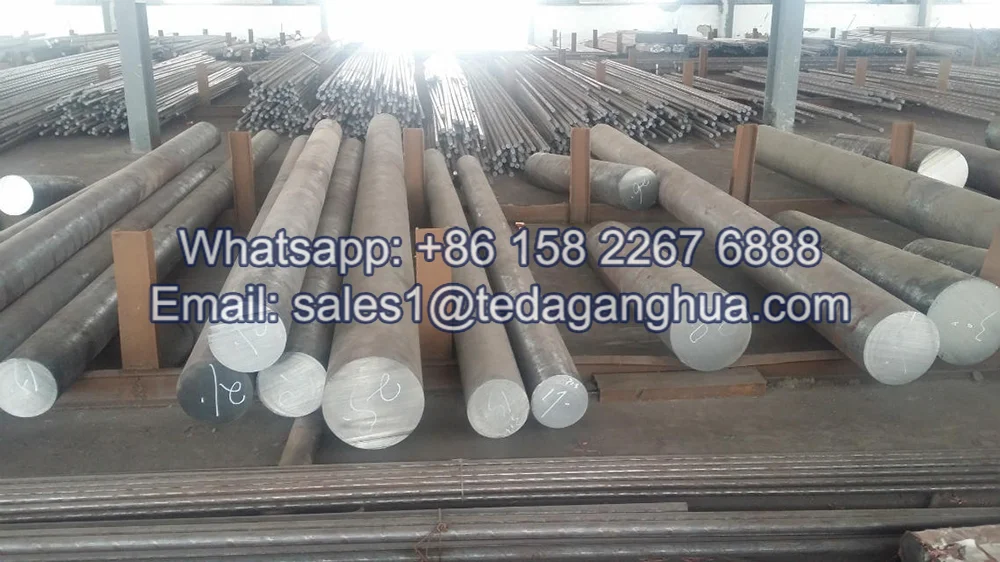
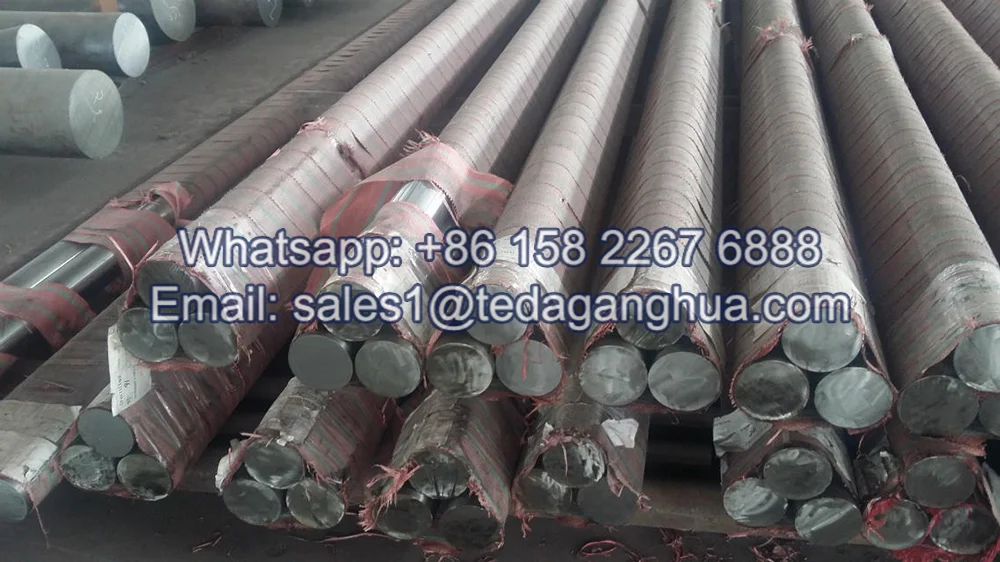
คำถามที่พบบ่อย
1. คืออะไร 316 stainless bar made of?
ประกอบด้วยโครเมียมเป็นส่วนใหญ่, นิกเกิล, and molybdenum with iron as the base metal.
2. Why is molybdenum important in 316 สแตนเลส?
Because it significantly improves resistance to pitting and chloride corrosion.
3. เป็น 316 stainless steel better than 304?
ใช่, especially in marine and chemical environments due to its higher corrosion resistance.
4. สามารถ 316 stainless steel resist seawater corrosion?
It has strong resistance to seawater, though extreme conditions may require higher alloys.
5. Teda Ganghua จัดหาหรือไม่ 316 แท่งสแตนเลส?
ใช่, เสบียง Teda Ganghua 316 stainless bars with stable composition and export-ready quality.