
1 4 Пластина из нержавеющей стали


The price difference of 1/4 пластина из нержавеющей стали is mainly determined by the chemical composition and alloy content of different grades, especially nickel and molybdenum. While thickness remains the same, higher-grade stainless steels provide better corrosion resistance, механическая прочность, and service life, which directly increases production cost and market price. Selecting the appropriate grade depends on balancing performance requirements and budget considerations.
- Описание
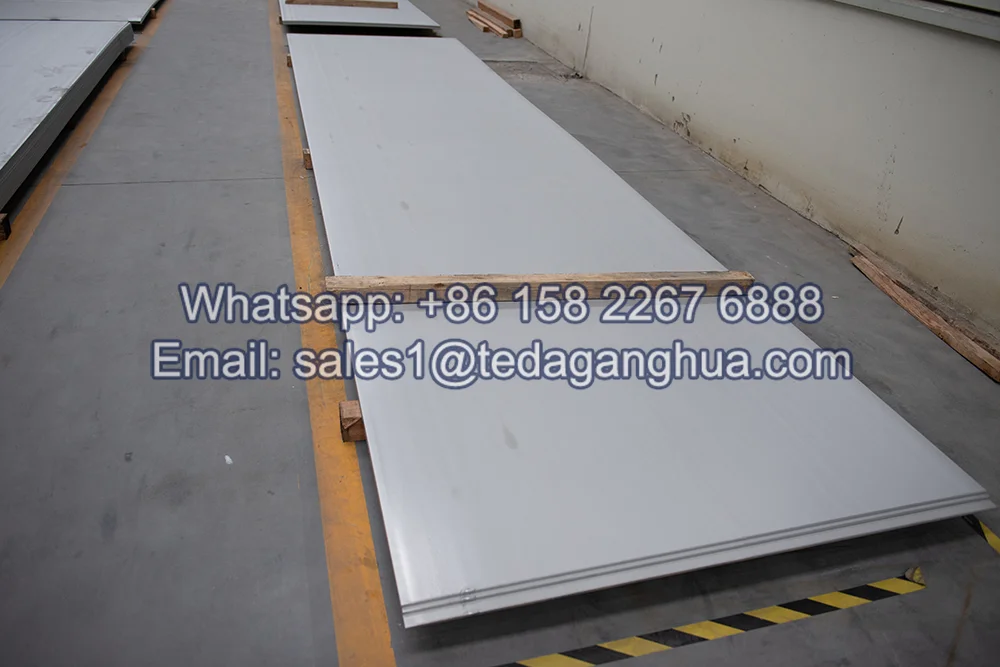
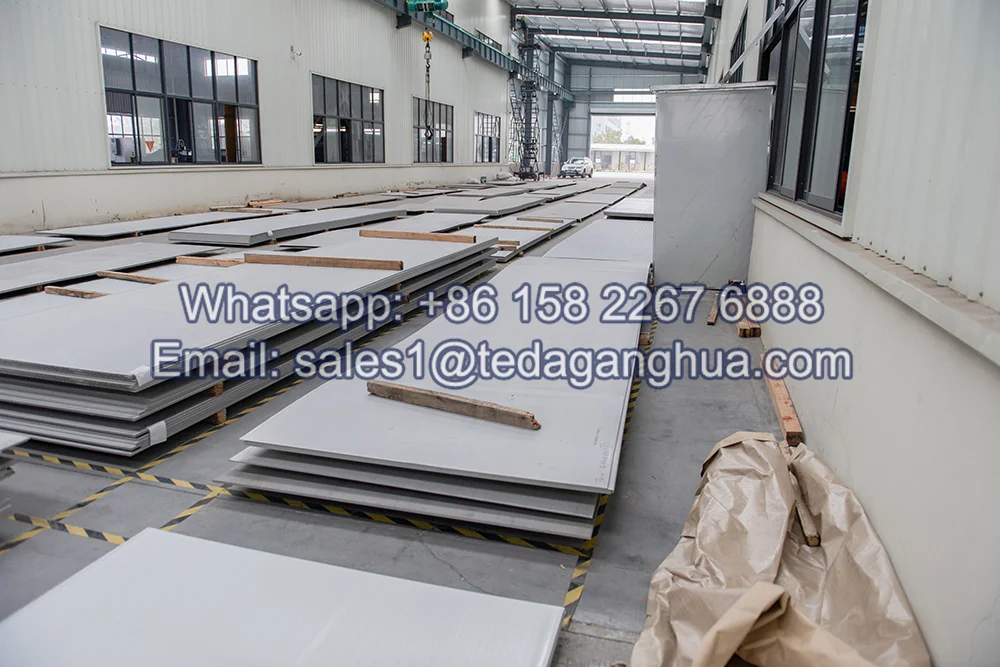
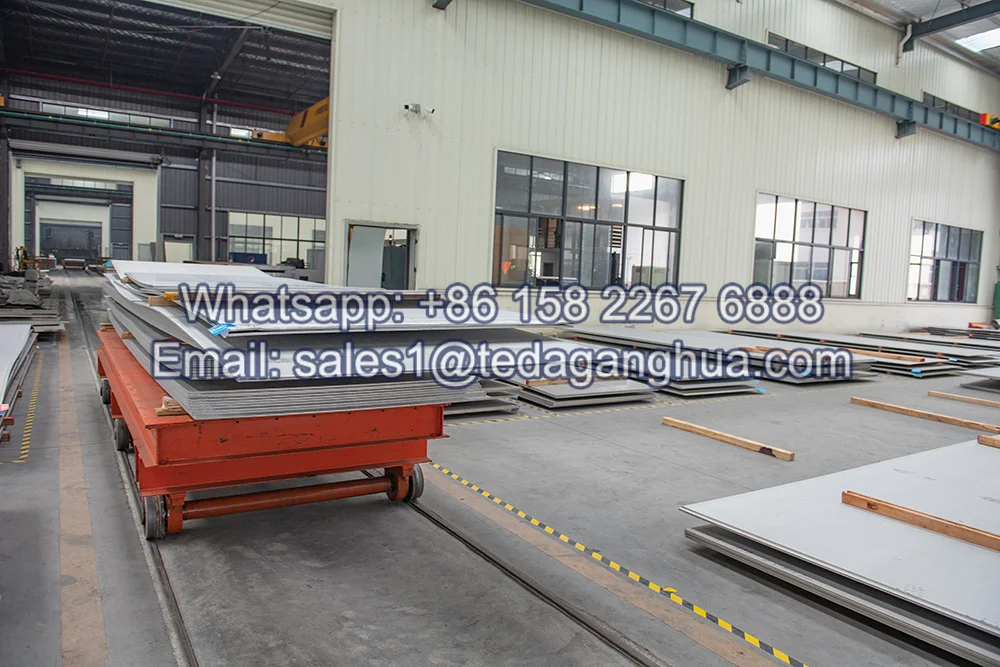
1/4 Пластина из нержавеющей стали (0.25 дюйм / 6.35 мм) is a commonly used medium-thickness stainless steel material applied in machinery manufacturing, структурные компоненты, химическое оборудование, и промышленное производство. One of the most important factors buyers consider is why different stainless steel grades have different prices even at the same thickness.
Why Stainless Steel Plate Prices Differ by Grade
Although the thickness is the same (1/4 дюйм), the price of stainless steel plates varies significantly depending on химический состав, alloy content, production cost, and performance level.
1. Alloy Composition Differences
The main reason for price variation is the difference in alloying elements:
| Тип оценки | Ключевые легирующие элементы | Cost Impact |
|---|---|---|
| 201 / 202 | Низкий уровень никеля, higher manganese | Lowest cost |
| 304 / 304л | Хром + Никель | Medium cost |
| 316 / 316л | Хром + Никель + Молибден | Higher cost |
| 321 | Titanium stabilized | Higher cost |
| 2205 (Дуплекс) | High Cr + В + Мо | Highest cost |
Higher alloy content directly increases raw material cost.
2. Nickel and Molybdenum Content Impact
Никель (В)
- Стабилизирует аустенитную структуру
- Improves corrosion resistance and ductility
- High market price fluctuations strongly affect cost
Молибден (Мо)
- Improves resistance to chloride corrosion
- Found in 316/316L and duplex grades
- Adds significant cost increase
3. Production Process Differences
Different grades require different manufacturing processes:
- 201/430: simpler production process
- 304: standard stainless steel melting and rolling
- 316л: stricter composition control
- Duplex steels: complex heat treatment and processing
More complex production = higher cost.
4. Corrosion Resistance Level
| Оценка | Коррозионная стойкость | Typical Use Environment |
| 201 | Низкий | Indoor decorative use |
| 304 | Хороший | Общепромышленное использование |
| 316л | Отличный | Морская и химическая среда |
| 2205 | Очень высокий | Severe corrosion environments |
Better corrosion resistance requires higher alloy content and cost.
5. Mechanical Performance Requirements
Higher-grade stainless steels often provide:
- Более высокая прочность (duplex grades)
- Better toughness
- Improved service life in harsh environments
These performance improvements increase production cost.
6. Market Demand and Application Scope
- 304 is the most widely used → stable and moderate price
- 316L is used in high-end industries → higher price
- Duplex stainless steel is niche → highest price
Market demand directly affects price stability.
Price Comparison for 1/4 Пластина из нержавеющей стали
| Оценка | Уровень цен | Main Reason |
| 201 | Низкий | Low nickel content |
| 304 | Середина | Сбалансированная производительность |
| 316л | Высокий | Молибден + коррозионная стойкость |
| 321 | Высокий | Titanium stabilization |
| 2205 | Очень высокий | Duplex structure + high alloy content |