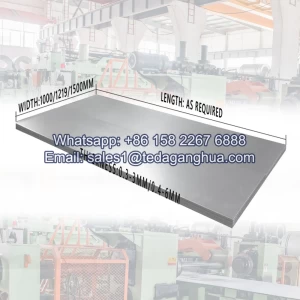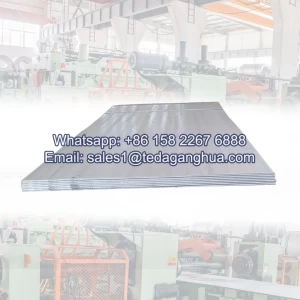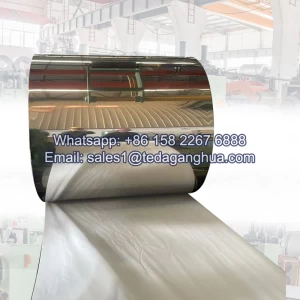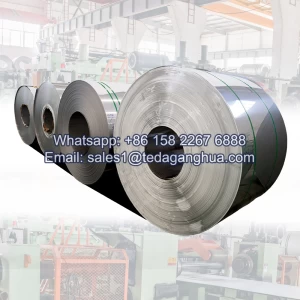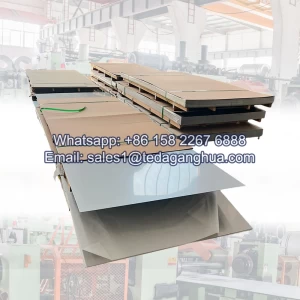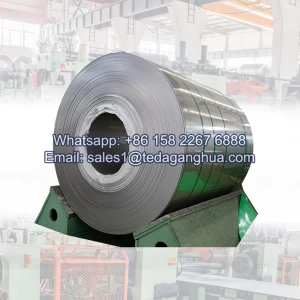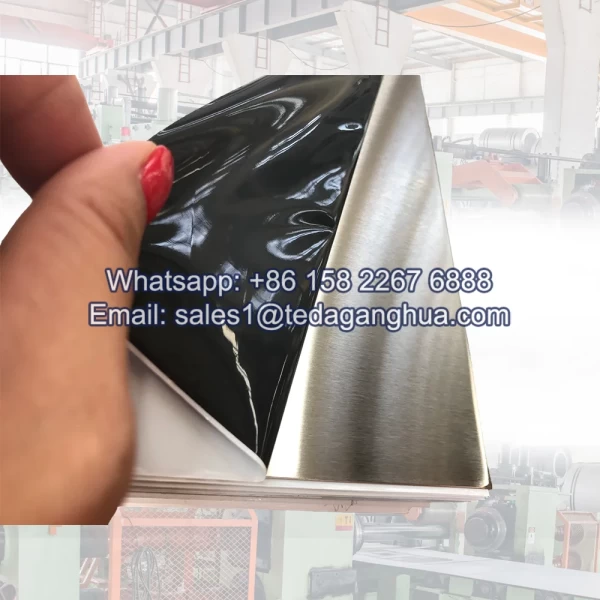

0.25 Лист нержавеющей стали мм


0.25 mm stainless steel sheet is an ultra-thin material with excellent corrosion resistance and surface quality, but it presents significant processing challenges due to its low rigidity and high sensitivity to deformation.
Key difficulties include:
- Easy warping and bending during handling
- Strong springback during forming
- High risk of surface damage during clamping
- Complex requirements for cutting and stamping
- Описание
А 0.25 лист нержавеющей стали мм is an ultra-thin stainless steel material widely used in precision manufacturing, электроника, декоративные панели, and lightweight industrial components. At this thickness, stainless steel offers good corrosion resistance and surface quality, but its processing difficulty increases significantly due to low rigidity and high sensitivity to deformation.
It is commonly made from grades such as 304, 316, 301, и 430 нержавеющая сталь.
Почему 0.25 mm Stainless Steel Is Difficult to Process
Ultra-thin stainless steel sheets behave very differently from standard thickness plates. At 0.25 мм, the material is highly sensitive to external force, нагревать, and clamping pressure.
Main Processing Challenges
1. Easy Deformation
| Issue | Описание |
|---|---|
| Warping | Sheet bends easily during handling |
| Buckling | Local surface waves during cutting or forming |
| Flatness loss | Difficult to maintain perfect flatness |
Even slight stress can cause visible deformation.
2. High Springback Effect
Stainless steel naturally has strong elasticity. In ultra-thin sheets:
- Bending angles are difficult to control
- Material tends to return toward original shape
- Requires over-bending compensation
This is more obvious than in aluminum sheets.
3. Difficult Clamping and Positioning
| Problem | Эффект |
|---|---|
| Low stiffness | Sheet shifts during machining |
| Clamp marks | Surface damage easily occurs |
| Vibration | Affects cutting precision |
Special fixtures or vacuum holding systems are often required.
4. Cutting Challenges
Laser cutting or mechanical shearing can cause:
- Краевые искажения
- Heat deformation
- Burr formation
- Micro warping around cut lines
Precise parameter control is necessary to maintain quality.
5. Stamping and Forming Limitations
| Issue | Описание |
|---|---|
| Wrinkling | Thin material folds easily |
| Cracking risk | Sharp bends may cause tearing |
| Die sensitivity | Requires highly polished tooling |
| Lubrication requirement | Essential to reduce friction |
Complex shapes are difficult to produce without specialized tooling.
Material Behavior at 0.25 ММ толщина
At this ultra-thin level, stainless steel shows:
- High flexibility
- Low structural rigidity
- Strong elastic recovery
- High surface sensitivity
Even minor handling errors can affect final product quality.
Common Stainless Steel Grades Used
| Оценка | Характеристики | Suitability |
|---|---|---|
| 304 | Сбалансированная коррозионная стойкость и формуемость | Most common |
| 316 | Превосходная устойчивость к коррозии | Морское и химическое использование |
| 301 | High work hardening capability | Spring and precision parts |
| 430 | Магнитная ферритная нержавеющая сталь | Decorative and appliance use |
Типичные применения
Despite processing difficulty, 0.25 mm stainless steel sheet is widely used in:
- Electronic shielding components
- Precision instrument covers
- Decorative panels and trims
- Battery and energy components
- Thin gaskets and liners
- Light industrial enclosures
- Filter and mesh base materials
Processing Requirements for Stable Production
To handle 0.25 mm stainless steel effectively, manufacturers often use:
- High-precision CNC laser cutting
- Vacuum adsorption tables
- Low-stress forming dies
- Protective film during processing
- Controlled feed speed and pressure
These methods help reduce deformation and improve yield rate.
Advantages Despite Processing Difficulty
| Особенность | Выгода |
|---|---|
| Ultra-thin structure | Lightweight design capability |
| Коррозионная стойкость | Long-term durability |
| Гладкая поверхность | Suitable for decoration |
| High precision potential | Electronics and instruments |
| Flexibility | Suitable for micro-forming |