- Descrição
303 Barra redonda inoxidável: Composition and Machinability Performance
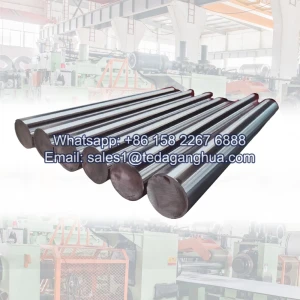
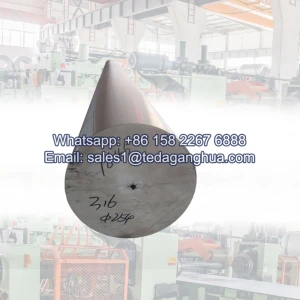
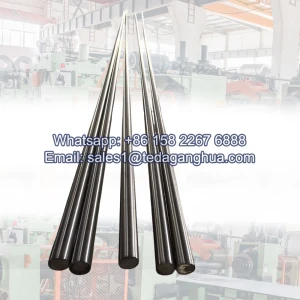
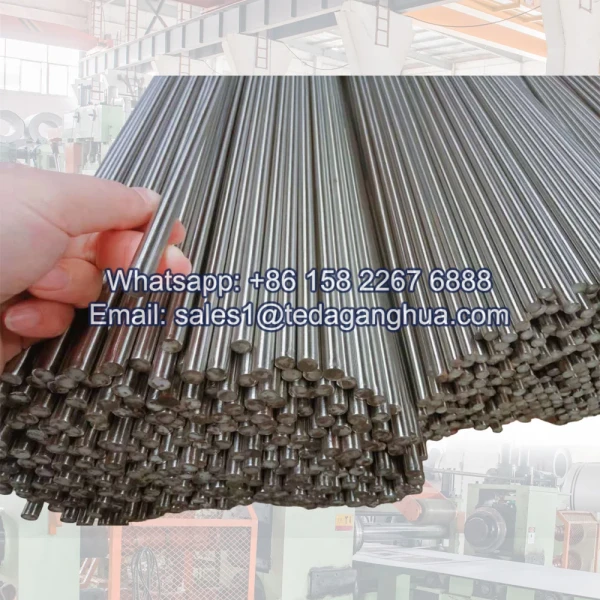
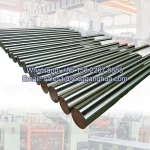
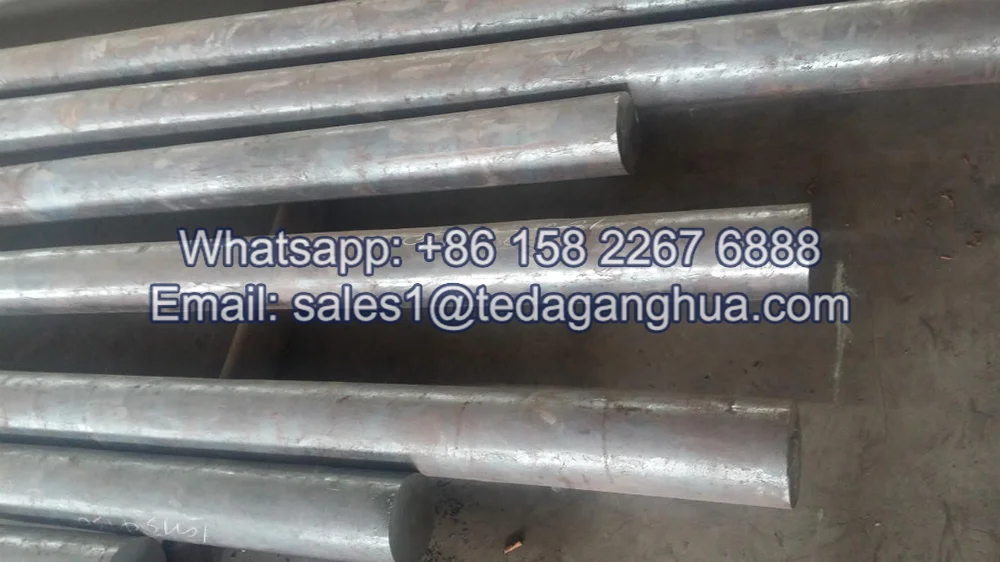
303 stainless round bar is a free-machining austenitic stainless steel widely used in precision machining, produção de fixadores, and mass manufacturing components. It is developed from 304 stainless steel with the addition of sulfur to significantly improve cutting performance.
Because of its excellent machinability, 303 stainless steel is especially suitable for automatic lathes, Usinagem CNC, and high-volume production where efficiency and tool life are critical.
Composição Química de 303 Aço inoxidável
A principal característica 303 stainless round bar is the controlled addition of sulfur, which improves chip breaking and reduces tool wear during machining operations.
| Elemento | Conteúdo típico (%) | Função |
|---|---|---|
| Cromo (Cr) | 17.0 – 19.0 | Resistência à corrosão e oxidação |
| Níquel (Em) | 8.0 – 10.0 | Austenitic structure stability and toughness |
| Enxofre (S) | ≥ 0.15 | Melhora a usinabilidade e a quebra de cavacos |
| Carbono (C) | ≤ 0.15 | Strength and hardness control |
| Manganês (Mn) | ≤ 2.0 | Melhora a trabalhabilidade a quente |
| Silício (E) | ≤ 1.0 | Melhora a resistência à oxidação |
| Fósforo (P) | ≤ 0.20 | Supports machinability (nível controlado) |
| Ferro (Fé) | Equilíbrio | Matriz base |
Principais características de desempenho de 303 Barra redonda inoxidável
303 stainless steel is designed primarily for machining efficiency rather than maximum corrosion resistance. Its free-cutting nature makes it one of the most popular grades for mass production of precision components.
- Excellent machinability among austenitic stainless steels
- Boa resistência à corrosão em ambientes amenos
- Reduced tool wear and longer cutting tool life
- Excellent chip breaking during CNC and lathe machining
- Suitable for high-speed automated production
Role of Sulfur in 303 Aço inoxidável
Sulfur is the key alloying element that differentiates 303 stainless steel from 304. It forms manganese sulfide inclusions, which act as stress concentrators that help break chips during machining.
- Improves cutting efficiency
- Reduces machining resistance
- Enhances productivity in mass production
- Extends tool life in CNC operations
No entanto, the addition of sulfur slightly reduces corrosion resistance and weldability compared to 304 aço inoxidável.
Comparação com 304 Aço inoxidável
| Nota | Usinabilidade | Resistência à corrosão | Principal vantagem |
|---|---|---|---|
| 304 | Moderado | Alto | General-purpose corrosion resistance |
| 303 | Excelente | Moderado | Best machinability for production efficiency |
Importância Industrial de 303 Barra redonda inoxidável
303 stainless round bar is widely used in industries that require large-scale machining and precision manufacturing. It significantly reduces production cost by improving machining speed and tool life.
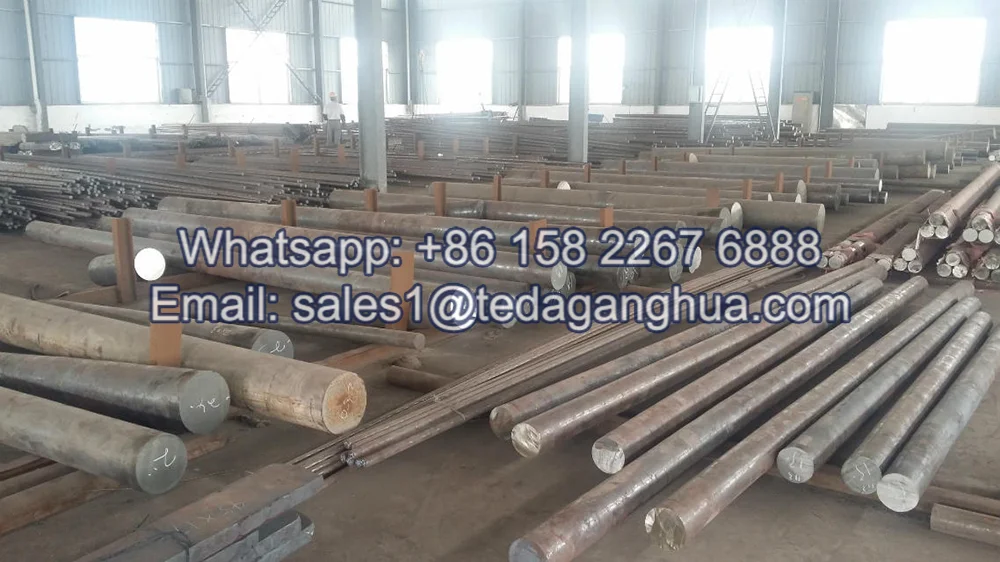
Nas cadeias de abastecimento globais, fornecedores como Teda Ganghua provide stable-chemistry 303 stainless bars with consistent machinability performance, supporting CNC machining and OEM manufacturing industries.
Desempenho de material baseado em aplicação
- Precision machined components and fittings
- Fixadores como parafusos, nozes, e parafusos
- Automotive mechanical parts
- Electrical and industrial equipment components
- Mass production CNC turned parts
Perguntas frequentes
1. O que é 303 stainless steel mainly used for?
It is mainly used for precision machining parts, fixadores, and high-volume production components.
2. Por que é 303 stainless steel easier to machine?
Because it contains sulfur, which improves chip breaking and reduces cutting resistance.
3. É 303 aço inoxidável resistente à corrosão?
Possui resistência moderada à corrosão, slightly lower than 304 devido ao teor de enxofre.
4. Pode 303 stainless steel be welded?
It is not recommended for welding due to reduced weld quality caused by sulfur.
5. Teda Ganghua fornece 303 stainless round bars?
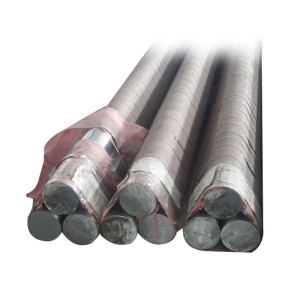
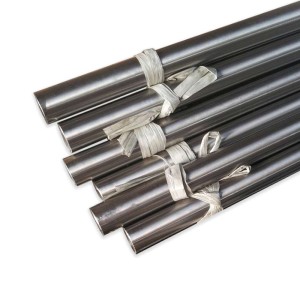
Sim, Suprimentos Teda Ganghua 303 stainless steel round bars with stable machinability and export-quality packaging.