스테인레스 스틸: 일반적인 처리 방법
스테인레스 스틸: 일반적인 처리 방법
Stainless steel is known for its resistance to rust. 하지만, 스테인레스 스틸 제품의 품질은 제조업체마다 다릅니다., and different processing techniques are applied based on specific requirements. Below are some common stainless steel surface treatment processes:
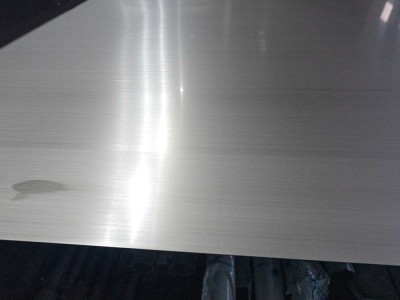
1. 솔질된 (Frosted)
This method uses mechanical friction to create a straight-line texture, also known as frosted lines, on the surface. Variations include brushed patterns, lines, and ripples.
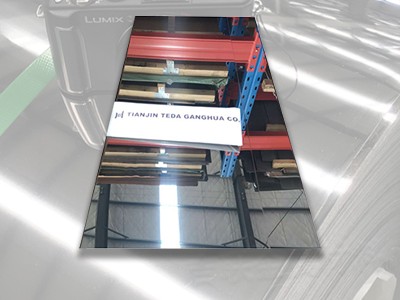
2. 거울 마감
A polished and bright surface is achieved through multiple grinding stages using oilstone, diamond paste, and sandpaper. This process includes coarse, 중간, and fine grinding.
3. Titanium/Zirconium Coating
In a vacuum environment, a titanium or zirconium compound film is applied to the surface, ensuring a durable and fade-resistant coating for outdoor use.
4. 샌드블라스팅
This process uses a high-speed jet of sand (예를 들어, quartz or corundum) to create a fine, bead-like texture on the surface, resulting in a unique decorative effect.
5. Etching
Chemical etching is used to create patterns or text on the surface. A corrosion-resistant layer is applied to shield non-etched areas, allowing acids to interact only with the exposed parts.
6. Anti-Fingerprint Coating
A composite coating is applied to stainless steel surfaces, making them resistant to fingerprints. Initially developed for home appliances, this method primarily uses roller coating.
7. Cold Rolling and Light Rolling
냉간 압연 후, 가열 냉각, and dephosphorization, the material undergoes light rolling with a rough roller. This method is widely used in construction applications.
8. Polished Surface Processing
The surface is evenly ground using abrasives with a particle size of 80–100 for a rough polish or 180–200 for a finer finish. This is often done on 2A or 2B plates.
9. One-Way Surface Processing
This non-reflective finish is common in architectural applications. Coarse abrasives are used initially, followed by finer abrasives with a particle size of 180.
Custom Stainless Steel Processing
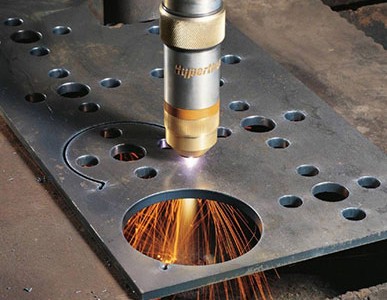
Stainless steel can be customized using various techniques not listed here. Customers requesting custom processing should provide clear requirements and detailed drawings. This ensures the feasibility of the design and prevents unnecessary complications.