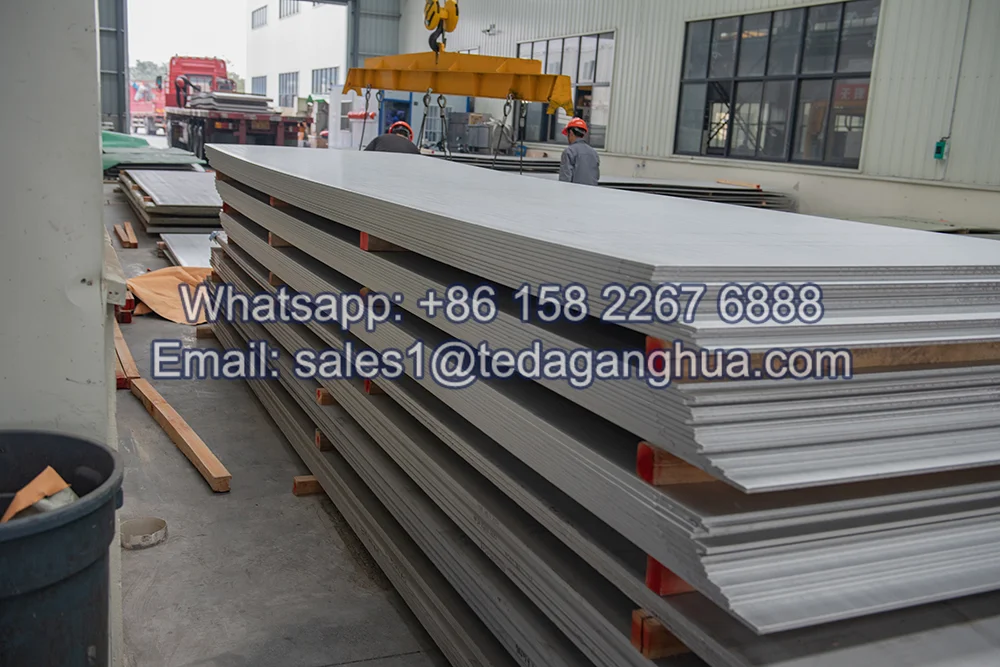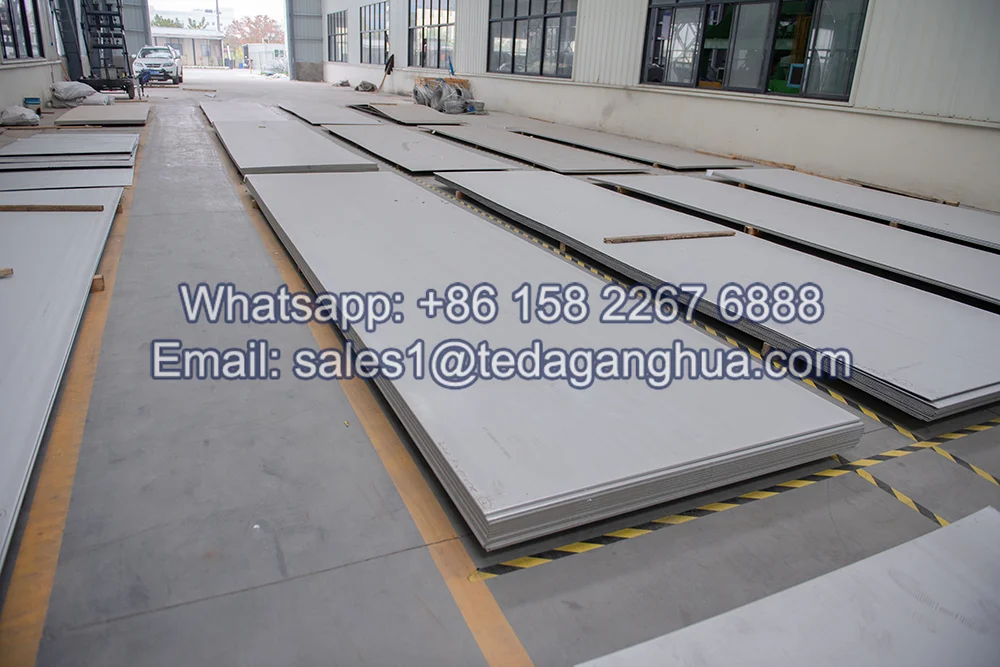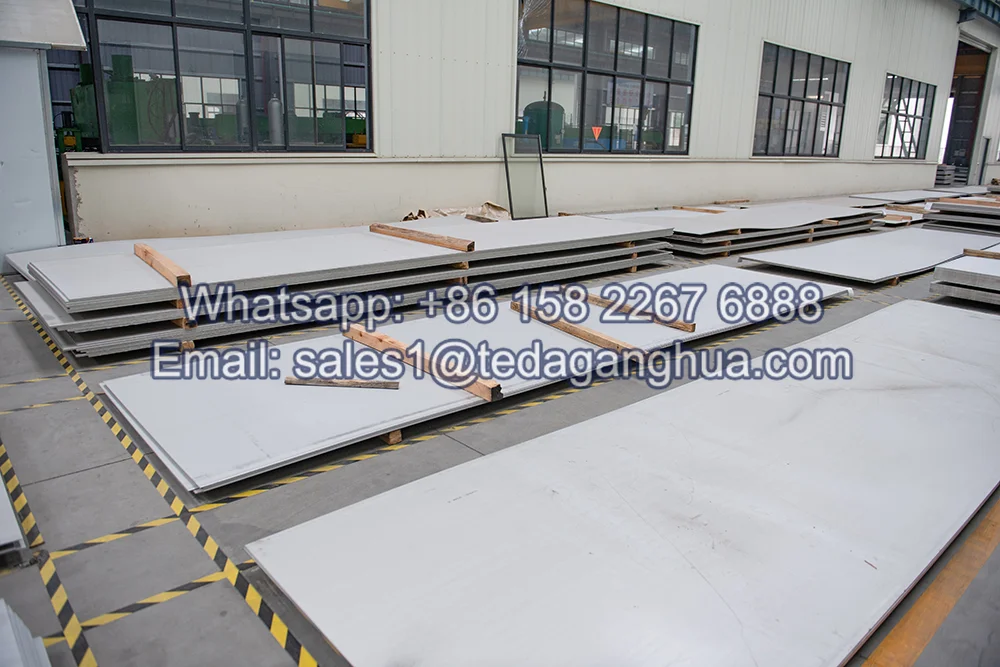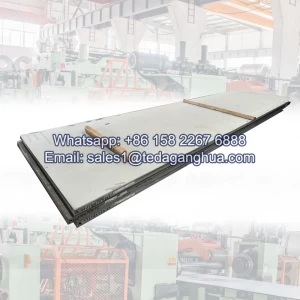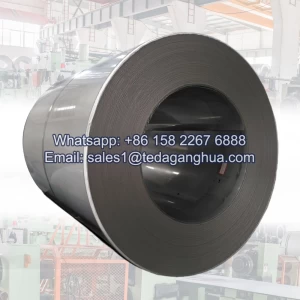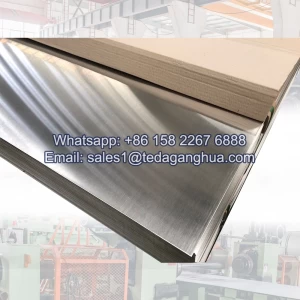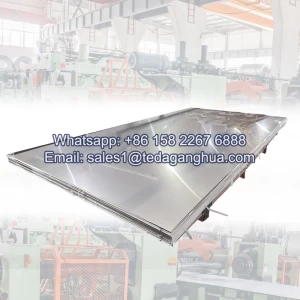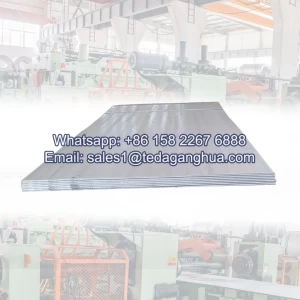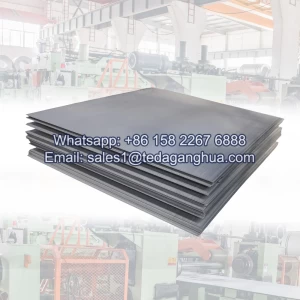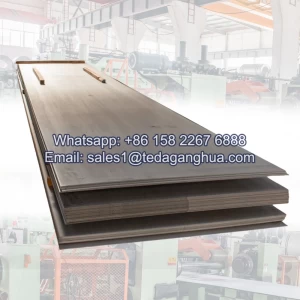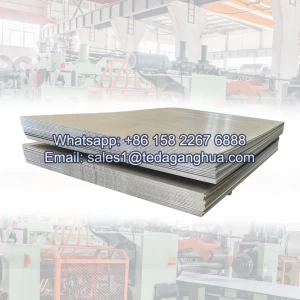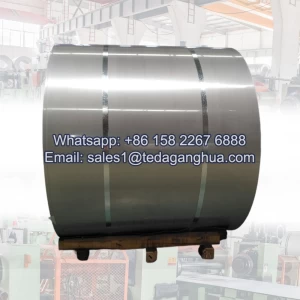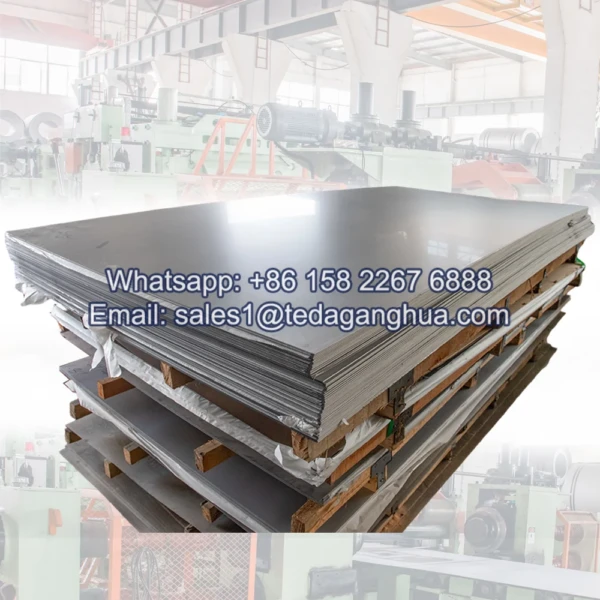
316 SS 판금
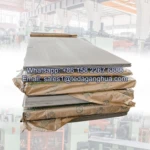
316 SS sheet metal offers stronger corrosion resistance than 304 due to its molybdenum content, making it ideal for marine and chemical applications. 와 비교하다 314 스테인레스 스틸, 316 performs better in corrosive environments, ~하는 동안 314 is more suitable for high-temperature service.
이 등급 중에서:
- 304 is the standard general-purpose stainless steel
- 316 is preferred for corrosion resistance
- 314 is designed for high-temperature applications
- 설명
316 SS sheet metal is a high-performance austenitic stainless steel sheet widely used in marine equipment, 화학 처리, and food-grade industries. 와 비교하다 304 스테인레스 스틸, 316 offers improved corrosion resistance due to the addition of molybdenum. It is also often compared with 314 스테인레스 스틸, which is known for high-temperature oxidation resistance.
차이점 이해 316, 314, 그리고 304 스테인레스 스틸 판금 helps buyers choose the right material for corrosive, 고온, or general-purpose applications.
무엇인가요 316 SS Sheet Metal?
316 stainless steel sheet metal is an austenitic stainless steel containing chromium, 니켈, 및 몰리브덴. The molybdenum content gives it stronger resistance to chloride corrosion and pitting than standard 304 스테인레스 스틸.
일반적인 응용 분야는 다음과 같습니다.:
- 약품탱크
- 해양 구조물
- 열교환기
- 식품 가공 장비
- 제약 장비
- 의료기기
316 sheet is commonly supplied in cold rolled and hot rolled forms, with surface finishes such as 2B, 학사, 4호, 그리고 거울.
화학 성분 비교
The main difference between 304, 314, 그리고 316 stainless steel lies in alloy composition.
| 등급 | 크롬 (%) | 니켈 (%) | 몰리브덴 (%) | 주요 특징 |
|---|---|---|---|---|
| 304 | 18-20 | 8-10.5 | — | 일반 내식성 |
| 316 | 16-18 | 10-14 | 2-3 | 내염화물 |
| 314 | 24-26 | 19-22 | — | High temperature resistance |
316 includes molybdenum, ~하는 동안 314 contains higher chromium and nickel for superior heat resistance.
Corrosion Resistance Comparison
316 대 304
316 stainless steel has better corrosion resistance than 304, 특히:
- Saltwater environments
- Coastal areas
- Chemical plants
- Acidic processing environments
This is because molybdenum improves resistance to pitting and crevice corrosion.
316 대 314
314 stainless steel is not primarily designed for wet corrosion resistance. It is mainly used for high-temperature applications.
For humid or chloride environments, 316 is usually preferred.
Heat Resistance Comparison
314 stainless steel is well known for excellent oxidation resistance at elevated temperatures.
| 등급 | 최대 서비스 온도 |
|---|---|
| 304 | About 870°C |
| 316 | About 870°C |
| 314 | About 1150°C |
314 performs significantly better in furnaces, 가마, and heat treatment equipment.
If high-temperature service is the main requirement, 314 is generally superior.
Mechanical Property Comparison
| 재산 | 304 | 316 | 314 |
|---|---|---|---|
| 인장 강도 | ≥ 515 MPa | ≥ 515 MPa | ≥ 520 MPa |
| 항복 강도 | ≥ 205 MPa | ≥ 205 MPa | ≥ 210 MPa |
| 연장 | ≥ 40% | ≥ 40% | ≥ 40% |
The mechanical properties are relatively similar, but service environment determines material selection.
Common Applications Comparison
304 스테인레스 스틸 시트
Used for general industrial and decorative applications:
- 주방용품
- 장식 패널
- Water tanks
- 가전제품
- Structural sheet fabrication
316 스테인레스 스틸 시트
Used for corrosion-critical applications:
- 해양 장비
- 화학물질 저장 탱크
- 제약 장비
- 식품 가공 기계
- 의료 기기
314 스테인레스 스틸 시트
Used for heat-resistant applications:
- 산업용 용광로
- Burner components
- Heat treatment trays
- High-temperature ducts
- 열처리 장비
Which Grade Is Better?
The best stainless steel sheet depends on the service environment.
| Requirement | Recommended Grade |
|---|---|
| General indoor use | 304 |
| 선박 / chemical environment | 316 |
| High temperature above 1000°C | 314 |
316 stainless steel sheet metal is often selected when corrosion resistance is more important than cost, especially in harsh industrial conditions.