레이저 절단 304 대 316 스테인레스 스틸: 매개변수 차이점, 가장자리 품질, 및 처리 최적화 가이드
Laser cutting is widely used for processing austenitic stainless steels, 특히 304 그리고 316 성적. These two materials share similar machining behavior, but their chemical composition and thermal properties lead to noticeable differences during laser cutting. Understanding these differences helps improve edge quality, reduce rework, and optimize production efficiency.
Material Science: Why the Laser Reacts Differently
The main difference between 304 그리고 316 stainless steel lies in their alloy composition. 316 몰리브덴 함유 (모), which improves corrosion resistance but also slightly changes laser energy absorption behavior. This results in a more stable molten pool but slightly slower thermal response.
게다가, 316 has a slightly lower thermal conductivity compared to 304, which reduces heat dissipation during cutting. 결과적으로, the Heat Affected Zone (위험요소) can become more concentrated if parameters are not properly adjusted. [얇은 부분의 열 변형을 방지하는 방법 304 레이저 절단 중 스테인레스 스틸]
Core Parameter Comparison: 304 대. 316
Although the same laser machine can be used for both materials, parameter tuning is required to achieve optimal results, especially in high precision applications. [ 304 대 316 스테인레스 스틸 맞춤 제작: 레이저 절단, 굽힘 및 용접 서비스 ]
| 매개변수 | 304 스테인레스 스틸 | 316 스테인레스 스틸 |
|---|---|---|
| 절단 속도 | Baseline (100%) | 5%–10% slower |
| Assist Gas Pressure (질소) | Standard pressure | Slightly higher for thick plates |
| Focal Position | Standard focus | Adjusted deeper focus |
| 용융 거동 | Clean and fluid | Slightly more viscous |
Edge Quality and Finish Analysis
레이저 커팅 중, 316 stainless steel tends to produce slightly more dross at the bottom edge compared to 304 due to its higher alloy content and melt viscosity. [왜 316 스테인레스 스틸은 레이저 절단 시 "끈적거리는" 느낌을 줍니다.: 몰리브덴 효과, 용융 거동, 및 프로세스 최적화] Proper nitrogen control and optimized focal positioning can significantly reduce burr formation.
Surface finish also plays an important role. 예를 들어, 2B surfaces typically show a more uniform cut edge, while mirror-finished sheets may reveal minor discoloration depending on heat input. [노란색 가장자리를 방지하는 방법 304 레이저 절단 중 스테인레스 스틸]
Cost Analysis: 절단 304 대. 316
From a production perspective, 316 generally increases processing cost due to slower cutting speed, higher nitrogen consumption [316L 스테인리스강 레이저 절단에서 바닥 불순물을 제거하는 방법: 가스 압력, 초점 제어, 및 프로세스 최적화], and slightly longer machine runtime. Energy usage differences are usually minor, but accumulated time loss becomes significant in large-scale production.
더 읽어보세요 [파이버 레이저 주파수 최적화 304 스테인레스 스틸: 절단 안정성, 가장자리 품질, 및 매개변수 제어 가이드]
Reference Material for Stainless Steel Processing
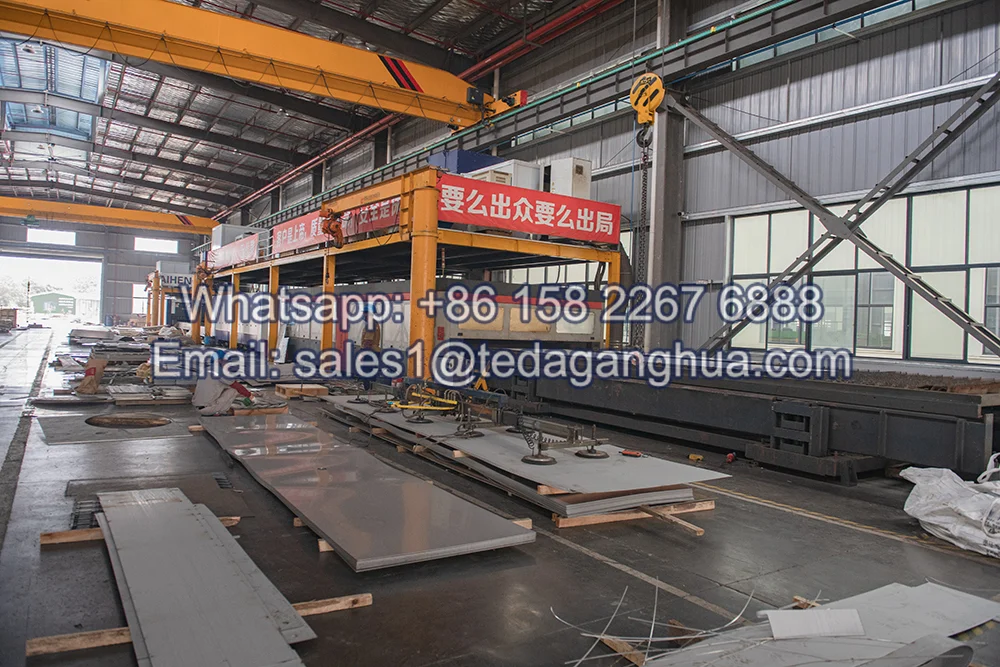
For more stainless steel processing solutions, you can explore high-quality materials such as 스테인레스 강판 used in industrial fabrication and precision cutting applications. [왜 식품 등급인가? 304 스테인레스 스틸은 레이저 절단을 위해 고압 질소 절단을 사용합니다.]
[ Medical Grade Stainless Steel Fabrication mainly writes Laser Cutting Standards for 316L Stainless Steel Implants ]
자주하는 질문
Can I use oxygen to cut 316 스테인레스 스틸?
[질소 대 산소 316 스테인레스 스틸 레이저 절단: 가장자리 품질, 용접성, 및 공정 성능 비교]
Oxygen can be used, but it causes oxidation on the cut edge, which may affect corrosion resistance and welding performance. Nitrogen is generally preferred for clean, oxide-free edges.
Does thickness affect laser cutting settings between 304 그리고 316?
예. As thickness increases, 316 requires more noticeable adjustments in gas pressure, 절단 속도, and focus position compared to 304 to maintain cut quality. [ 레이저 절단 20mm 두께 304 그리고 316 스테인레스 강판: 우리 공장 능력 ]
Why does 316 produce more dross than 304?
316 has higher alloy content and slightly higher melt viscosity, which makes molten material less fluid during cutting, increasing the risk of bottom edge dross.
Is nitrogen always required for laser cutting stainless steel?
Nitrogen is strongly recommended for high-quality stainless steel cutting because it prevents oxidation and improves edge cleanliness, 특히 316 성적. [316L 질소 보조 절단을 이용한 해양 응용 분야용 스테인리스강 레이저 절단]