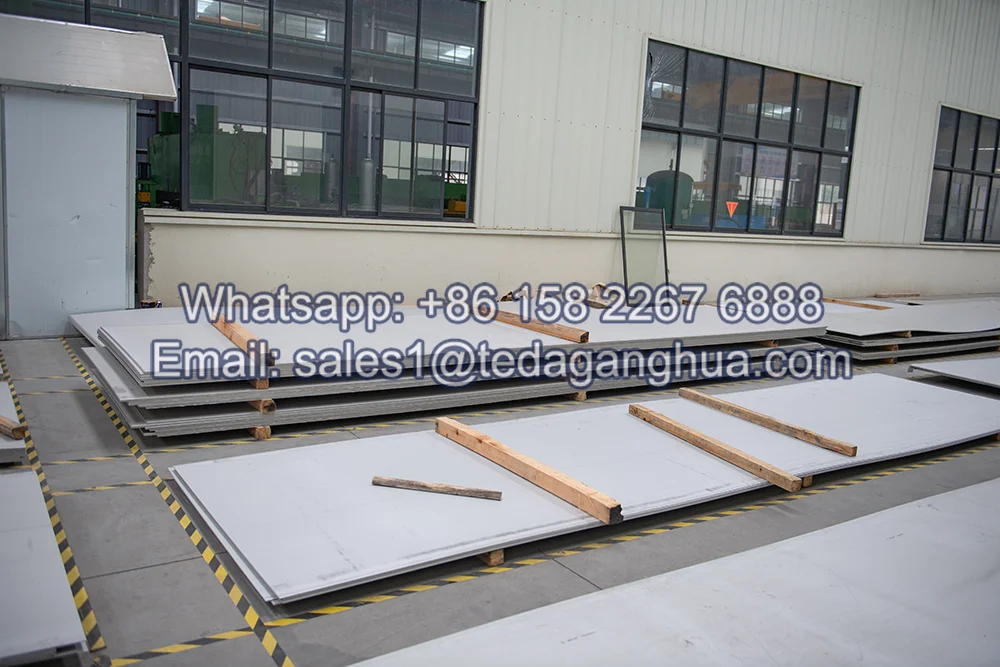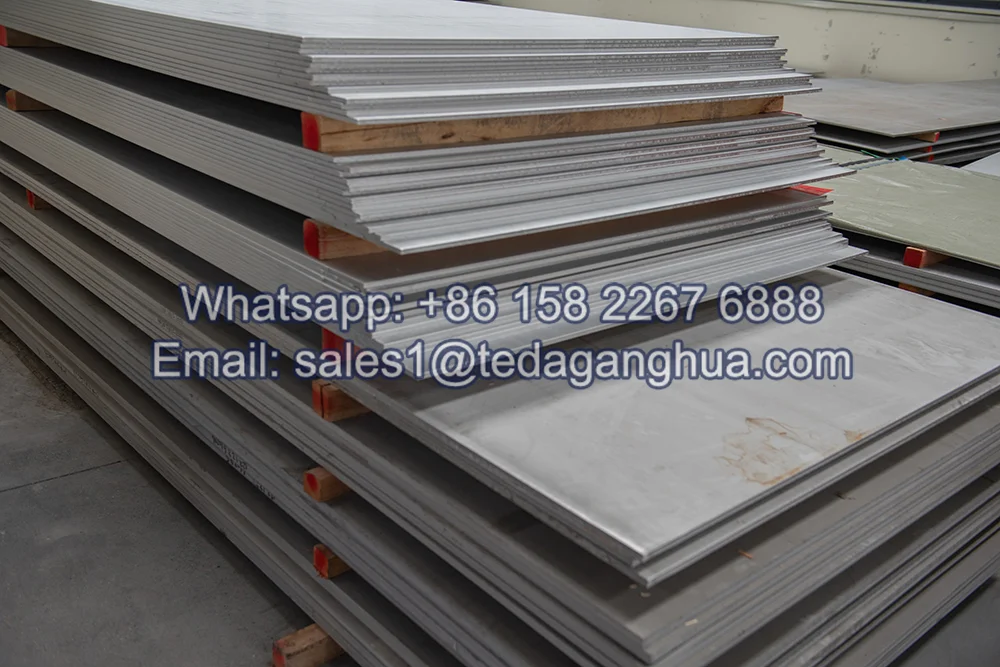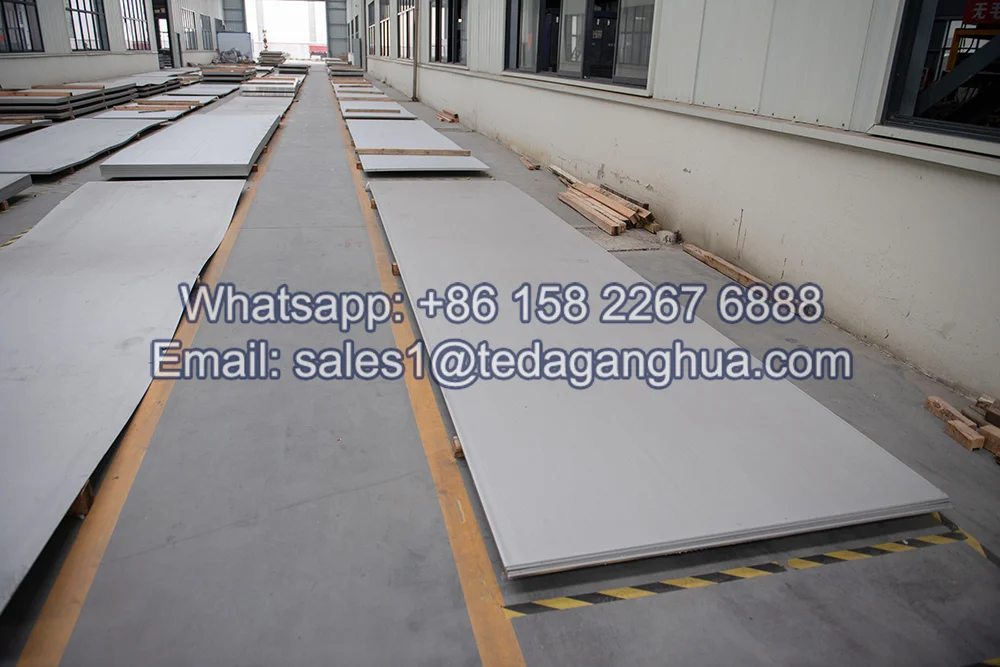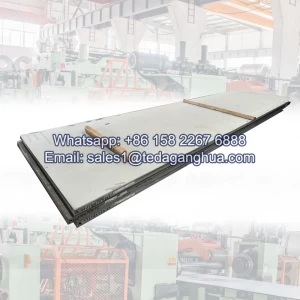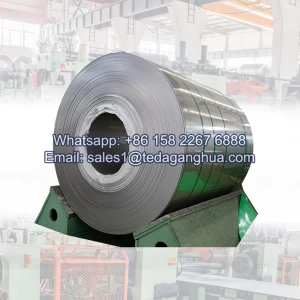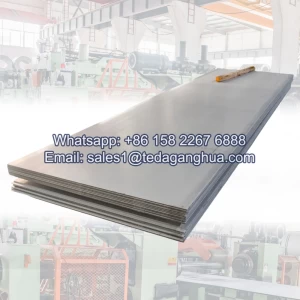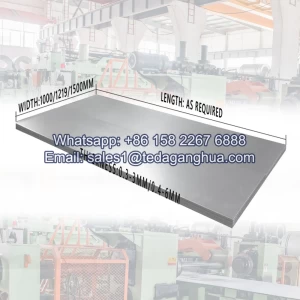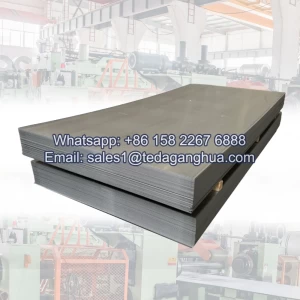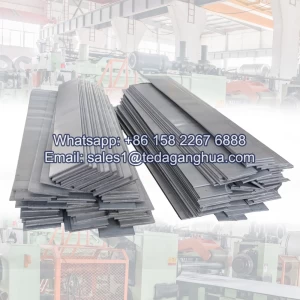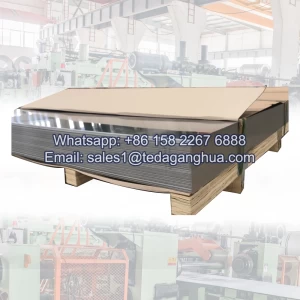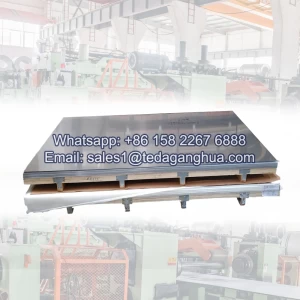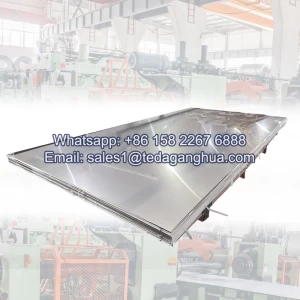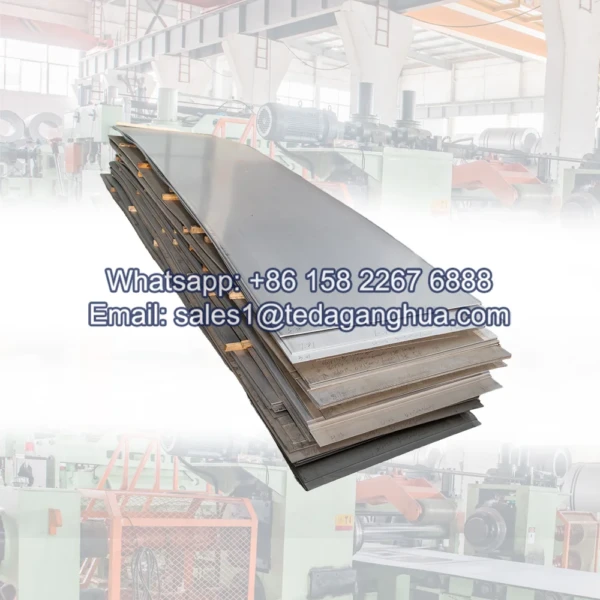
316l ステンレス鋼板
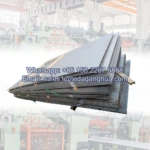
316L Stainless Steel Sheet is an optimized low-carbon version of 316 ステンレス鋼, designed to improve corrosion resistance after welding. と比較して 316, it offers superior resistance to intergranular corrosion and better weldability, making it the preferred choice for welded structures in marine, 化学薬品, and hygienic applications where long-term stability is required.
- 説明
316L Stainless Steel Sheet is a low-carbon version of 316 ステンレス鋼, widely used in marine engineering, 化学処理, pharmaceutical equipment, and high-corrosion environments. それはに属します 300 series austenitic stainless steel, offering excellent corrosion resistance and improved welding performance compared with standard 316.
Chemical Composition of 316L Stainless Steel
| 要素 | コンテンツ (%) |
|---|---|
| クロム (Cr) | 16.0 – 18.0 |
| ニッケル (で) | 10.0 – 14.0 |
| モリブデン (モー) | 2.0 – 3.0 |
| 炭素 (C) | ≤ 0.03 |
| マンガン (ん) | ≤ 2.0 |
| シリコン (そして) | ≤ 1.0 |
| 鉄 (鉄) | バランス |
The most important difference is the reduced carbon content (≤0.03%), which significantly improves corrosion resistance after welding.
Key Performance of 316L Stainless Steel Sheet
1. 優れた耐食性
- Superior resistance to chloride corrosion
- Strong performance in seawater and marine environments
- Excellent resistance to chemical acids and industrial media
2. Improved Weldability
- Low carbon content reduces carbide precipitation
- Minimizes intergranular corrosion after welding
- No need for post-weld heat treatment in most cases
3. Good Mechanical Properties
- Balanced strength and ductility
- Excellent toughness at low temperatures
- Suitable for forming and fabrication processes
4. High Stability in Harsh Environments
- Maintains corrosion resistance after fabrication
- Suitable for long-term service in aggressive conditions
- Stable performance in both high and low temperatures
316L vs 316 ステンレス鋼
Although both grades are very similar in composition, the carbon content creates important performance differences.
| 財産 | 316 ステンレス鋼 | 316L ステンレス鋼 |
| 炭素含有量 | ≤ 0.08% | ≤ 0.03% |
| Corrosion Resistance After Welding | 良い | 素晴らしい |
| 粒界腐食のリスク | より高い | 非常に低い |
| 溶接性 | 良い | 素晴らしい |
| 強さ | やや高め | やや低め |
| Fabrication Stability | 良い | より良い |
性能比較
1. 耐食性
- 316Lステンレス performs better in welded structures because low carbon prevents carbide precipitation.
- 316 ステンレス鋼 may require controlled welding to avoid localized corrosion.
2. Welding Performance
- 316L is widely preferred for welded components
- It reduces the need for post-weld annealing
- Maintains corrosion resistance in heat-affected zones
3. 機械的強度
- 316 has slightly higher strength due to higher carbon content
- 316L prioritizes corrosion resistance and weld stability
代表的な用途
316 ステンレス鋼
- 海洋構造物
- 薬品タンク
- 産業機器
- 熱交換器
316L ステンレス鋼
- 製薬機器
- 食品加工システム
- Welded pipelines
- オフショアプラットフォーム
- Medical and hygienic equipment