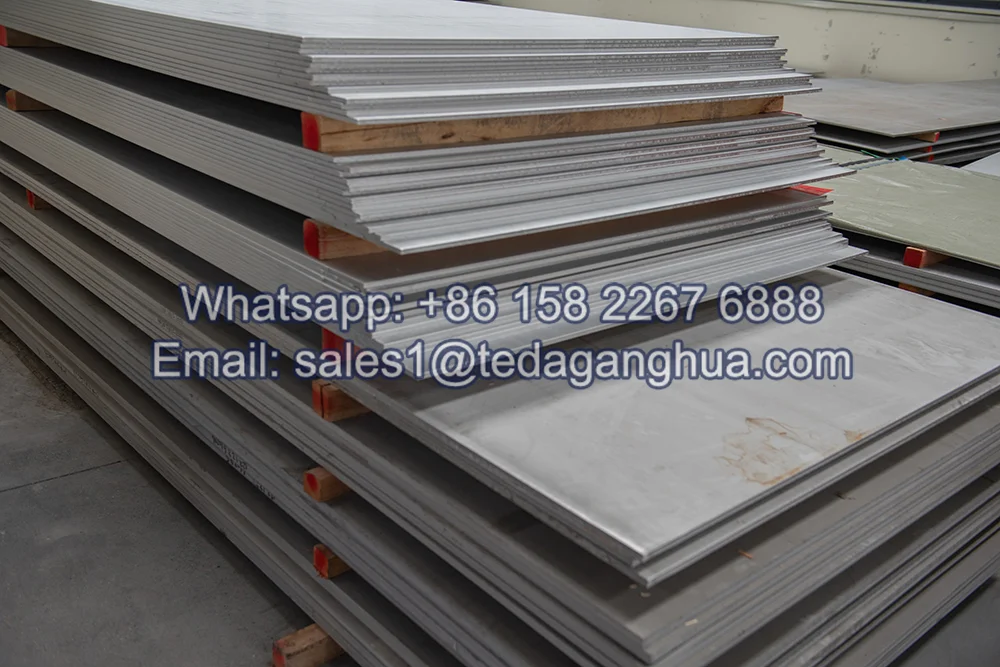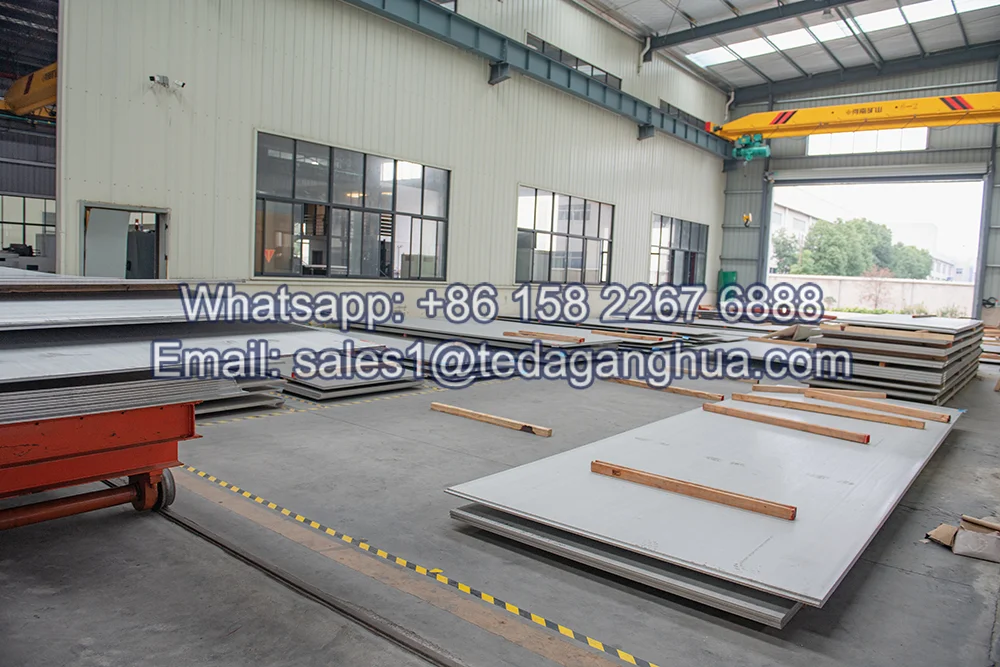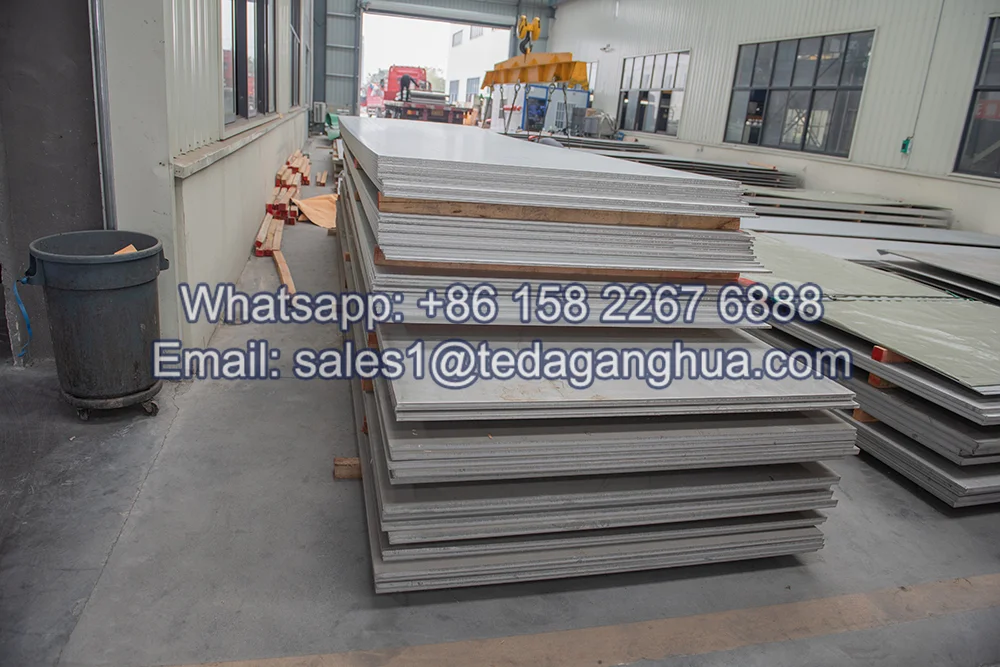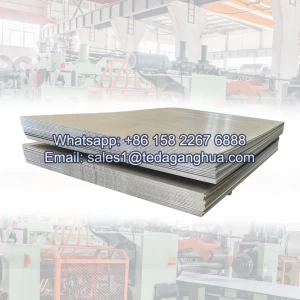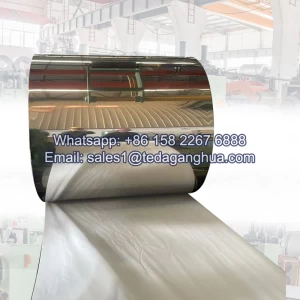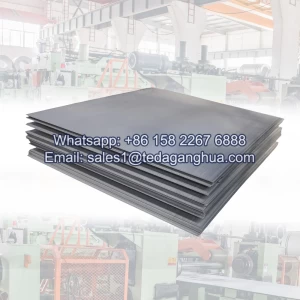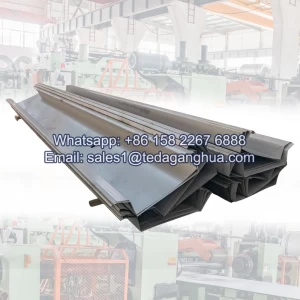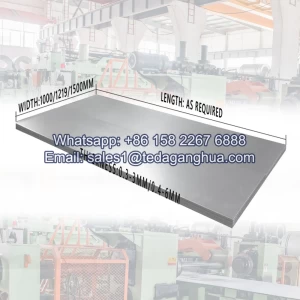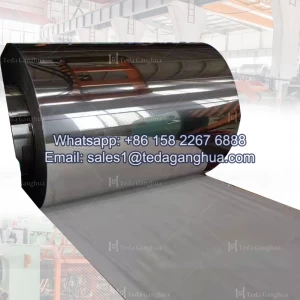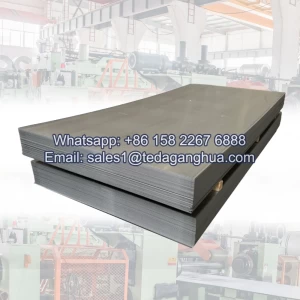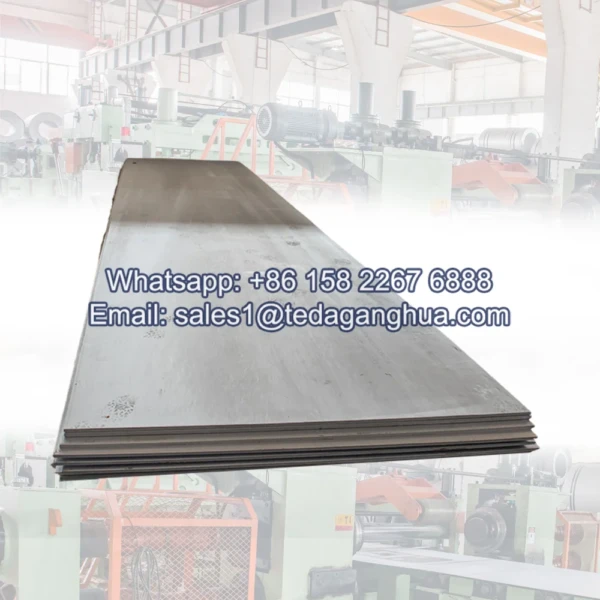
Lamiere Di Acciaio Inossidabile

Stainless steel sheets of metal are classified into different series based on microstructure and alloy composition, which determine their mechanical properties and performance in different environments.
The main stainless steel series include:
- Austenitico (300 serie)
- Ferritico (400 serie)
- Martensitico
- Duplex
- Precipitation hardening
- Descrizione
Stainless steel sheets of metal sono ampiamente utilizzati in edilizia, produzione, lavorazione degli alimenti, and industrial engineering. They are available in different series and grades, and each series is designed based on specific chemical composition and performance requirements.
The classification of stainless steel sheets is mainly determined by microstructure, composizione della lega, e ambiente applicativo, which directly define the material’s corrosion resistance, forza, e resistenza al calore.
How Stainless Steel Series Are Defined
Stainless steel sheet metal is mainly categorized according to metallurgical structure, which is influenced by alloying elements such as chromium, nichel, molibdeno, and carbon.
The main factors that define a stainless steel series include:
- Cromo (Cr) content → corrosion resistance
- Nichel (In) content → toughness and stability
- Molibdeno (Mo) content → pitting resistance
- Carbonio (C) content → hardness and strength
- Heat treatment behavior → microstructure type
Based on these factors, stainless steel is divided into several major series.
1. Acciaio inossidabile austenitico (300 Serie)
Austenitic stainless steel is the most widely used category.
Typical grades:
- 201
- 304
- 316
- 321
- 310S
Key characteristics:
- Non magnetico
- Eccellente resistenza alla corrosione
- Buona formabilità e saldabilità
- High ductility
Why it is defined:
- High chromium (16–25%)
- High nickel content stabilizes austenite structure
Applicazioni:
- Attrezzature da cucina
- Food processing
- Chemical industry
- Pannelli architettonici
- Fabbricazione industriale
2. Acciaio inossidabile ferritico (400 Serie)
Ferritic stainless steel is mainly chromium-based and has no or very low nickel content.
Typical grades:
- 409
- 410
- 430
Key characteristics:
- Magnetico
- Resistenza alla corrosione moderata
- Lower cost compared to 300 serie
- Buona resistenza alla tensocorrosione
Why it is defined:
- High chromium (10.5–30%)
- Basso contenuto di nichel
- Ferrite microstructure at room temperature
Applicazioni:
- Sistemi di scarico automobilistici
- Elettrodomestici
- Attrezzature industriali
- Pannelli decorativi
3. Acciaio inossidabile martensitico
Martensitic stainless steel is known for high hardness and strength.
Typical grades:
- 410
- 420
- 440C
Key characteristics:
- Magnetico
- Heat treatable
- High hardness after quenching
- Lower corrosion resistance than 304/316
Why it is defined:
- Maggiore contenuto di carbonio
- Controlled heat treatment forms martensite structure
Applicazioni:
- Cutlery
- Surgical tools
- Parti meccaniche
- Wear-resistant components
4. Acciaio inossidabile duplex (2000 Serie)
Duplex stainless steel combines austenitic and ferritic structures.
Typical grades:
- 2205
- 2507
Key characteristics:
- Resistenza molto elevata
- Excellent chloride corrosion resistance
- Buona resistenza alla tensocorrosione
Why it is defined:
- Balanced austenite + ferrite microstructure
- Higher chromium and molybdenum content
Applicazioni:
- Piattaforme offshore
- Serbatoi chimici
- Strutture marine
- Recipienti a pressione
5. Precipitation Hardening Stainless Steel
This group is strengthened through heat treatment and precipitation hardening.
Typical grades:
- 17-4PH
- 15-5PH
Key characteristics:
- Resistenza molto elevata
- Buona resistenza alla corrosione
- Heat treatable to different strength levels
Applicazioni:
- Aerospace parts
- Componenti meccanici ad alta resistenza
- Engineering structures
Stainless Steel Series Classification Summary
| Serie | Structure Type | Caratteristica fondamentale | Typical Grades |
|---|---|---|---|
| 200/300 Serie | Austenitico | Best corrosion resistance | 201, 304, 316 |
| 400 Serie | Ferritic/Martensitic | Magnetico, conveniente | 410, 430 |
| Duplex | Mixed phase | Alta resistenza + resistenza alla corrosione | 2205, 2507 |
| PH Series | Precipitation hardened | Resistenza molto elevata | 17-4PH |
How Grade Numbers Are Assigned
Stainless steel grade numbers (ad esempio 304, 316, 430) are defined by international standards such as:
- ASTM (Società americana per test e materiali)
- AISI (Istituto americano del ferro e dell'acciaio)
- IN / DIN standards (Europa)
- JIS standards (Giappone)
The numbering system is not random; it reflects:
- Chemical composition range
- Proprietà meccaniche
- Intended application category
- Historical classification system
Per esempio:
- 304 = general-purpose austenitic stainless steel
- 316 = molybdenum-enhanced corrosion-resistant grade
- 430 = ferritic stainless steel for general use