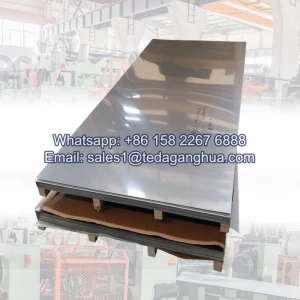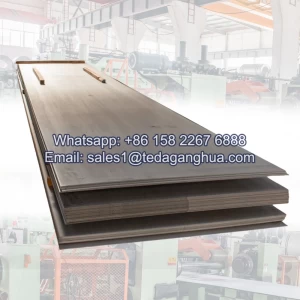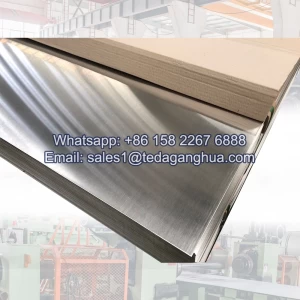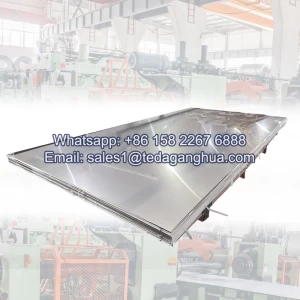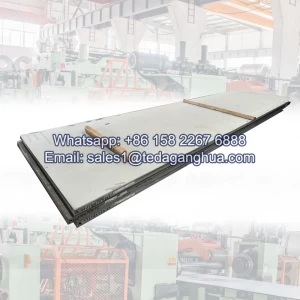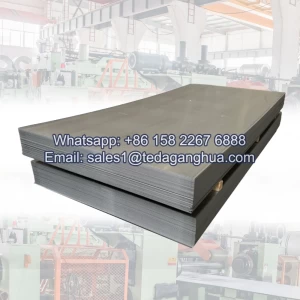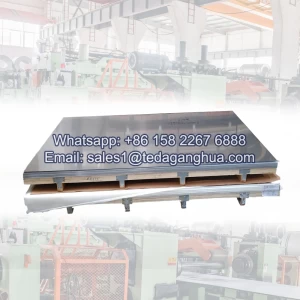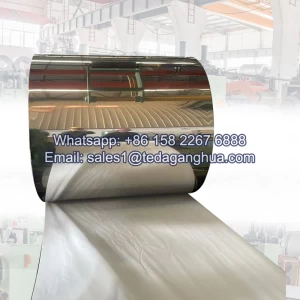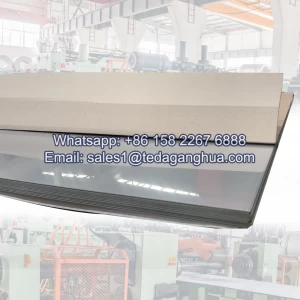
316l lamiera di acciaio inossidabile

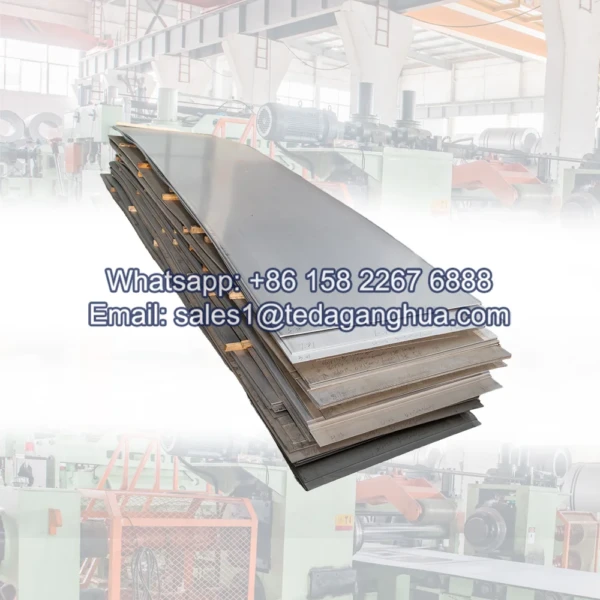
316L Stainless Steel Sheet is an optimized low-carbon version of 316 acciaio inossidabile, designed to improve corrosion resistance after welding. Rispetto a 316, it offers superior resistance to intergranular corrosion and better weldability, making it the preferred choice for welded structures in marine, chimico, and hygienic applications where long-term stability is required.
- Descrizione
316L Stainless Steel Sheet is a low-carbon version of 316 acciaio inossidabile, widely used in marine engineering, lavorazione chimica, pharmaceutical equipment, and high-corrosion environments. Appartiene al 300 series austenitic stainless steel, offering excellent corrosion resistance and improved welding performance compared with standard 316.
Chemical Composition of 316L Stainless Steel
| Elemento | Contenuto (%) |
|---|---|
| Cromo (Cr) | 16.0 – 18.0 |
| Nichel (In) | 10.0 – 14.0 |
| Molibdeno (Mo) | 2.0 – 3.0 |
| Carbonio (C) | ≤ 0.03 |
| Manganese (Mn) | ≤ 2.0 |
| Silicio (E) | ≤ 1.0 |
| Ferro (Fe) | Bilancia |
The most important difference is the reduced carbon content (≤0,03%), which significantly improves corrosion resistance after welding.
Key Performance of 316L Stainless Steel Sheet
1. Eccellente resistenza alla corrosione
- Superior resistance to chloride corrosion
- Strong performance in seawater and marine environments
- Excellent resistance to chemical acids and industrial media
2. Improved Weldability
- Low carbon content reduces carbide precipitation
- Minimizes intergranular corrosion after welding
- No need for post-weld heat treatment in most cases
3. Good Mechanical Properties
- Balanced strength and ductility
- Excellent toughness at low temperatures
- Suitable for forming and fabrication processes
4. High Stability in Harsh Environments
- Maintains corrosion resistance after fabrication
- Suitable for long-term service in aggressive conditions
- Stable performance in both high and low temperatures
316L vs 316 Acciaio inossidabile
Although both grades are very similar in composition, the carbon content creates important performance differences.
| Proprietà | 316 Acciaio inossidabile | 316LAcciaio inossidabile |
| Contenuto di carbonio | ≤ 0.08% | ≤ 0.03% |
| Corrosion Resistance After Welding | Bene | Eccellente |
| Rischio di corrosione intergranulare | Più alto | Molto basso |
| Saldabilità | Bene | Eccellente |
| Forza | Leggermente più alto | Leggermente più basso |
| Fabrication Stability | Bene | Meglio |
Confronto delle prestazioni
1. Resistenza alla corrosione
- 316L acciaio inossidabile performs better in welded structures because low carbon prevents carbide precipitation.
- 316 acciaio inossidabile may require controlled welding to avoid localized corrosion.
2. Welding Performance
- 316L is widely preferred for welded components
- It reduces the need for post-weld annealing
- Maintains corrosion resistance in heat-affected zones
3. Resistenza meccanica
- 316 has slightly higher strength due to higher carbon content
- 316L prioritizes corrosion resistance and weld stability
Applicazioni tipiche
316 Acciaio inossidabile
- Strutture marine
- Serbatoi chimici
- Attrezzature industriali
- Scambiatori di calore
316LAcciaio inossidabile
- Attrezzature farmaceutiche
- Sistemi di trasformazione alimentare
- Welded pipelines
- Piattaforme offshore
- Medical and hygienic equipment