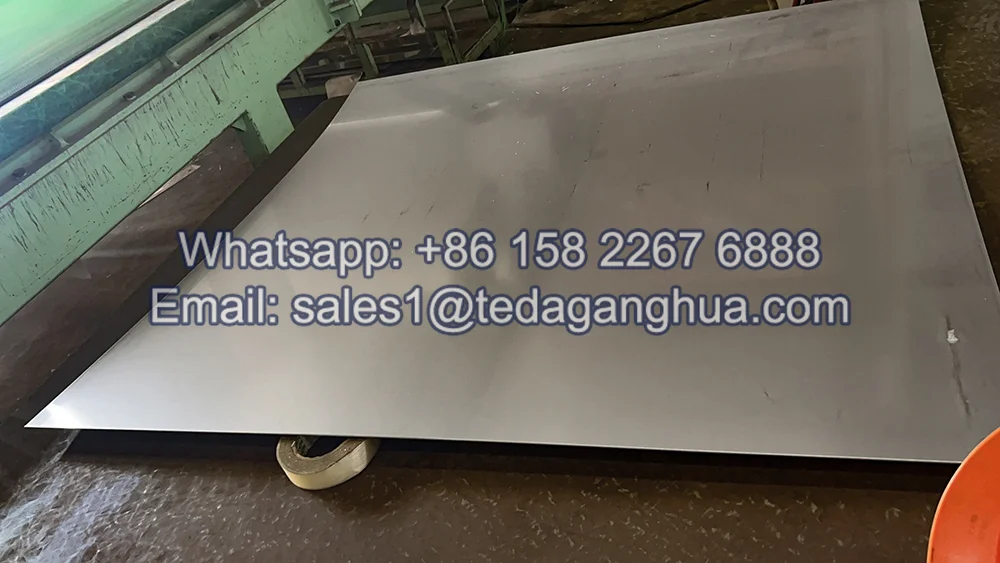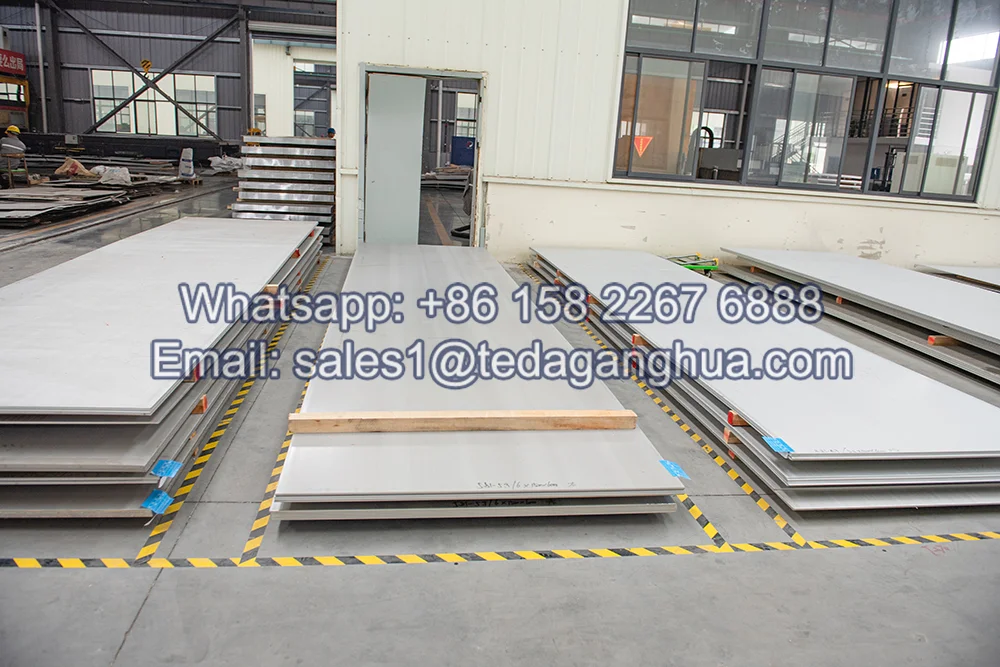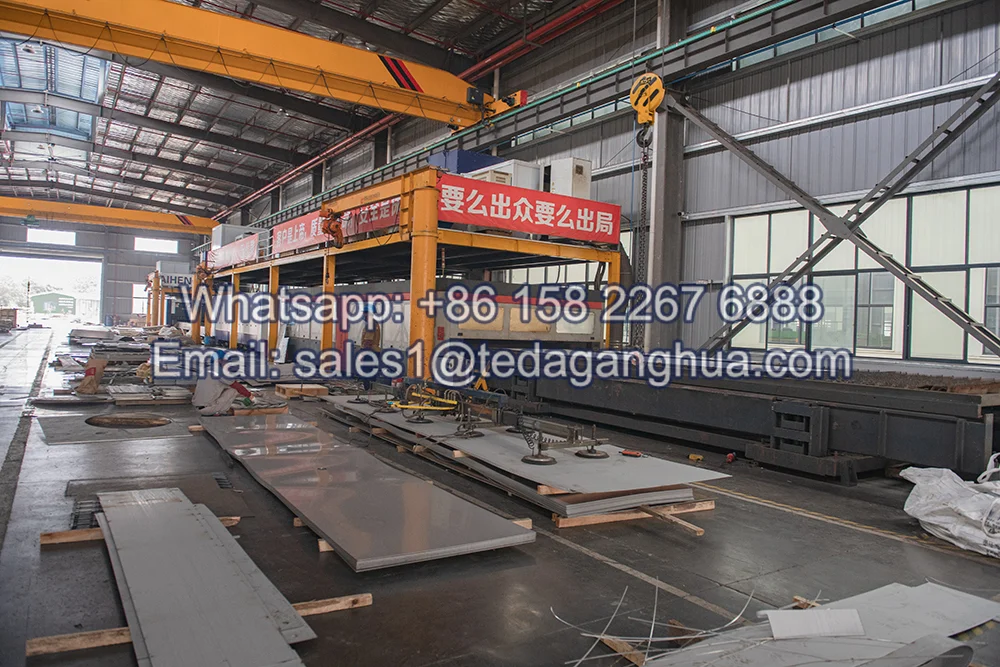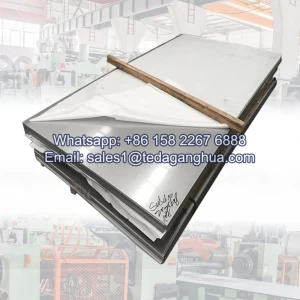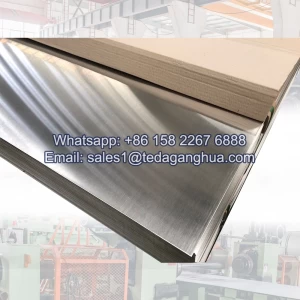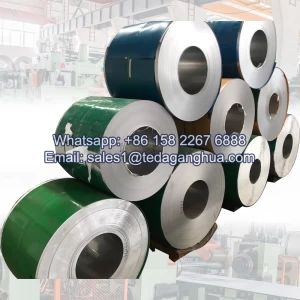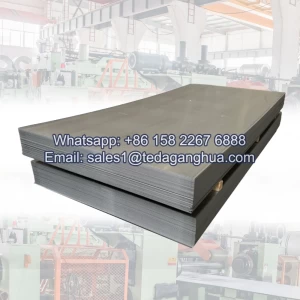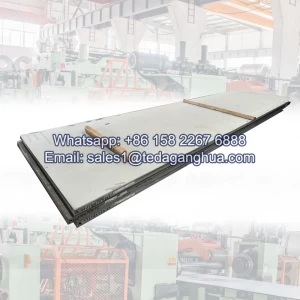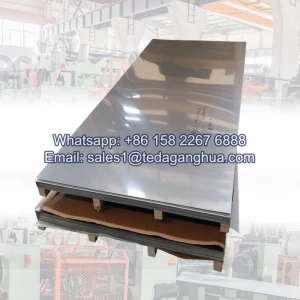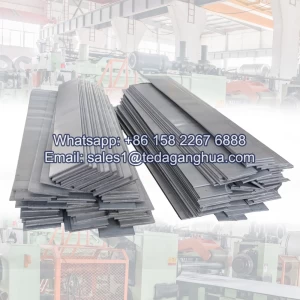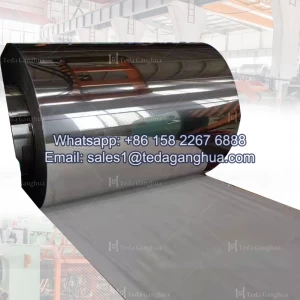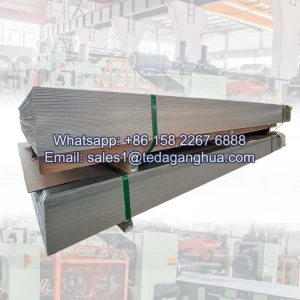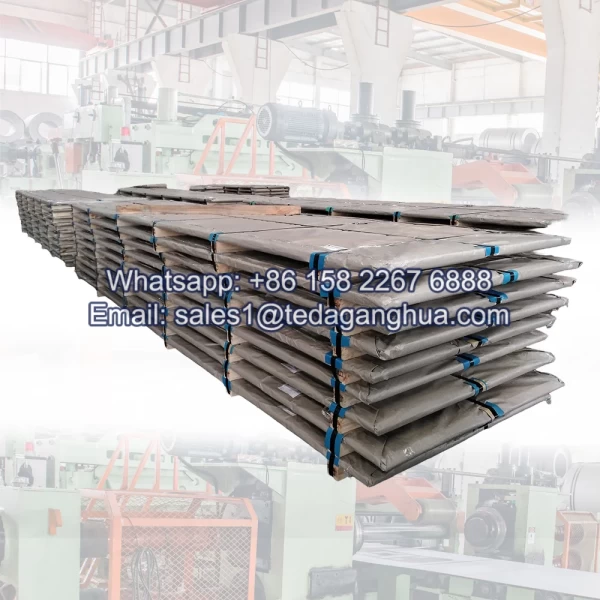
316 Piastra in acciaio inossidabile
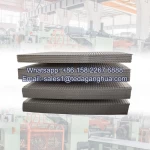
316 piastra in acciaio inossidabile is more expensive primarily due to its higher alloy content, especially molybdenum and nickel, which deliver superior corrosion resistance and durability.
- Descrizione
316 piastra in acciaio inossidabile is an advanced austenitic stainless steel widely used in marino, chimico, and high-corrosion environments. Compared with standard grades like 304, 316 is known for its superior corrosion resistance and durability, which is the main reason it is priced higher.
Understanding its composition and performance explains why 316 stainless steel plates are considered a premium material.
Composizione chimica di 316 Acciaio inossidabile
| Elemento | Contenuto (%) |
|---|---|
| Cromo (Cr) | 16.0 – 18.0 |
| Nichel (In) | 10.0 – 14.0 |
| Molibdeno (Mo) | 2.0 – 3.0 |
| Carbonio (C) | ≤ 0.08 |
| Manganese (Mn) | ≤ 2.00 |
| Silicio (E) | ≤ 1.00 |
| Ferro (Fe) | Bilancia |
Key Alloy Element – Molybdenum (Mo)
L'aggiunta di molibdeno is the most important factor that differentiates 316 from other stainless steels. It significantly improves resistenza alla corrosione, soprattutto in ambienti clorurati.
Perché 316 Stainless Steel Plate Is More Expensive
1. Higher Alloy Content
316 contains more nickel and added molybdenum, both of which are relatively expensive alloying elements. This directly increases the raw material cost.
2. Resistenza alla corrosione superiore
The molybdenum content provides:
- Excellent resistance to pitting and crevice corrosion
- Strong performance in marine and saltwater environments
- Better resistance to chemical corrosion
Questo fa 316 suitable for demanding applications where cheaper materials would fail.
3. Longer Service Life
Because of its enhanced corrosion resistance, 316 acciaio inossidabile:
- Requires less maintenance
- Has a longer lifespan
- Reduces replacement and repair costs
This adds value despite the higher initial price.
4. More Demanding Production and Processing
Higher alloy content can increase:
- Complessità produttiva
- Processing difficulty
- Quality control requirements
These factors also contribute to a higher overall cost.
Key Properties of 316 Piastra in acciaio inossidabile
1. Eccellente resistenza alla corrosione
Especially effective in chloride-rich and marine environments, outperforming 304 acciaio inossidabile.
2. Good High-Temperature Performance
Maintains strength and oxidation resistance at elevated temperatures.
3. Strong Mechanical Properties
Provides good strength combined with high ductility and toughness.
4. Good Weldability and Fabrication
Can be processed by saldatura, taglio, e formando, though slightly more demanding than 304.
Typical Mechanical Properties
| Proprietà | Valore |
|---|---|
| Resistenza alla trazione | ≥ 520 MPa |
| Forza di snervamento | ≥ 205 MPa |
| Allungamento | ≥ 40% |
| Densità | ~7.98 g/cm³ |
Applicazioni comuni
1. Marine Industry
- Ship components
- Piattaforme offshore
- Seawater systems
2. Chemical and Petrochemical
- Serbatoi di stoccaggio
- Condotte
- Scambiatori di calore
3. Food and Medical Industry
- Attrezzature per la lavorazione degli alimenti
- Macchine farmaceutiche
- Ambienti igienici
4. Edilizia e architettura
- High-end exterior cladding
- Corrosion-resistant structural components
316 contro 304 – Key Difference
| Caratteristica | 316 Acciaio inossidabile | 304 Acciaio inossidabile |
|---|---|---|
| Molibdeno | 2–3% | Nessuno |
| Resistenza alla corrosione | Eccellente | Bene |
| Costo | Più alto | Inferiore |
| Applicazione | Ambienti difficili | Uso generale |
Teda Ganghua – Capacità di fornitura
Teda Ganghua supplies 316 stainless steel plates with reliable quality and processing support:
- Wide range of thickness and sizes
- Servizi di taglio e fabbricazione personalizzati
- Controllo di qualità rigoroso
- Export packaging and global delivery
Con forti capacità di inventario e di elaborazione, Teda Ganghua fornisce soluzioni in acciaio inossidabile ad alte prestazioni per le industrie più esigenti.