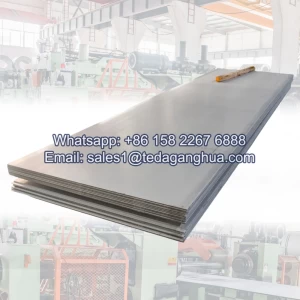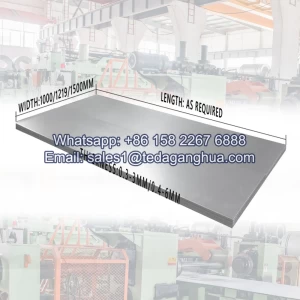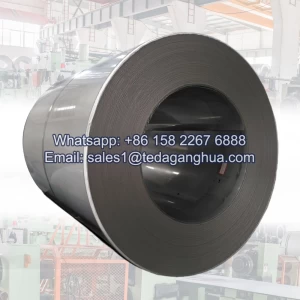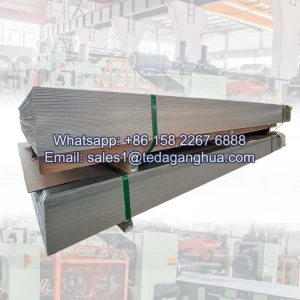

Bande inoxydable


Stainless steel strips are commonly produced using 201, 304, 316, et 430 notes. Each grade serves different application environments, from low-cost indoor decoration to high-end marine and chemical engineering uses.
- Description
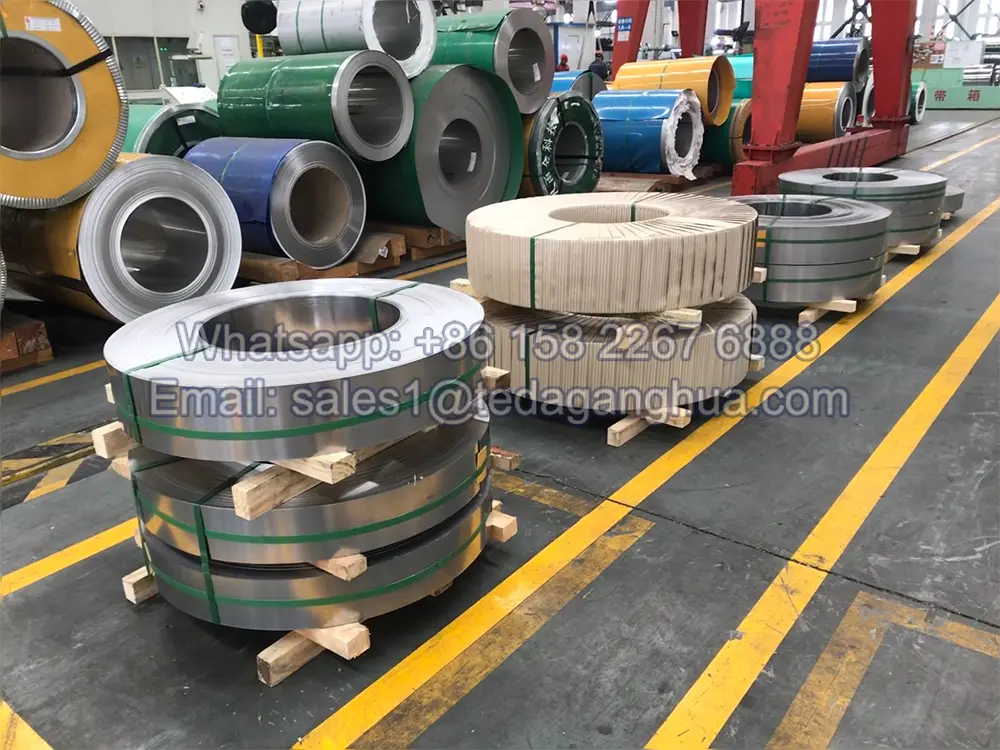
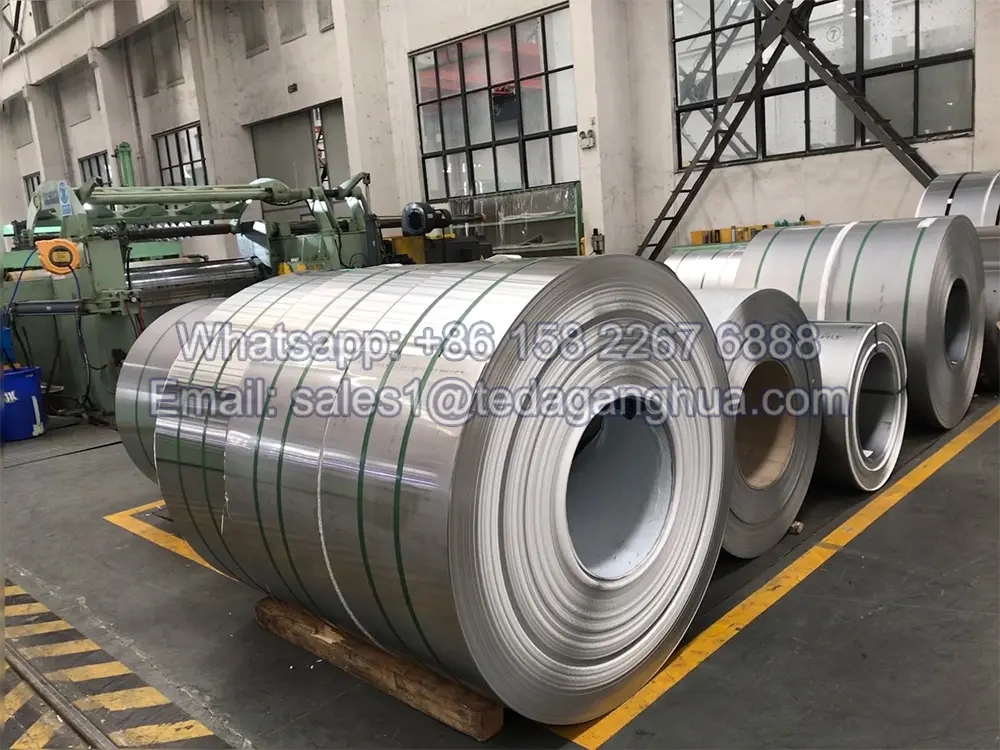
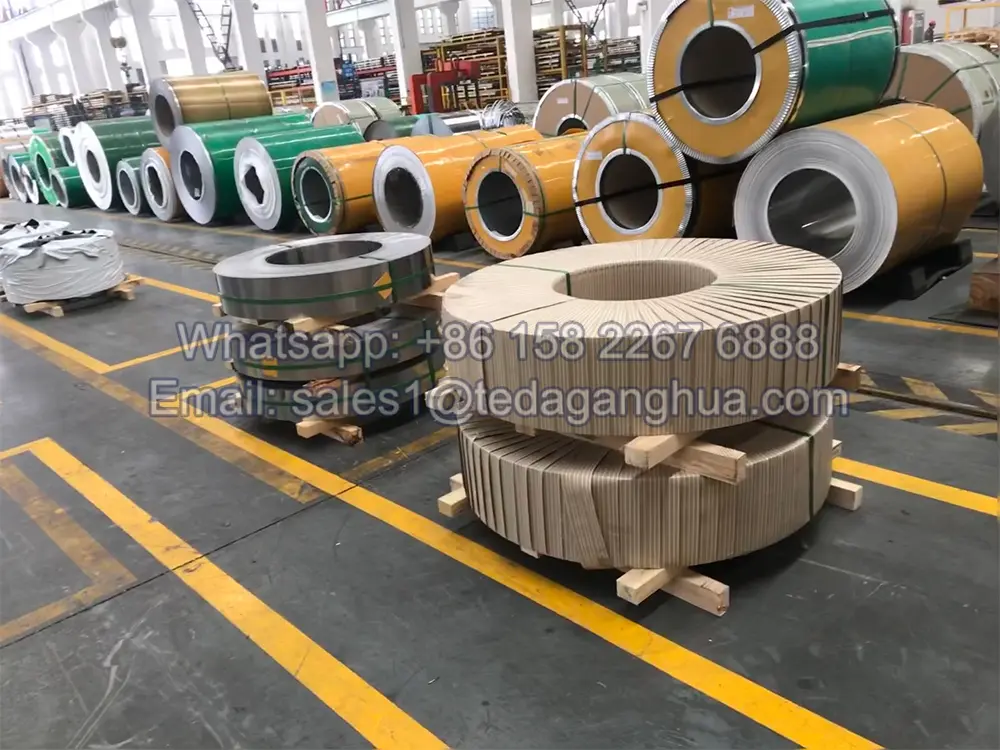
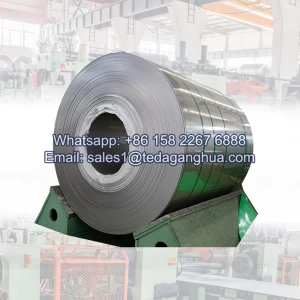
A stainless strip is a mince, narrow stainless steel coil or slit strip, widely used in precision manufacturing, décoration de construction, pièces automobiles, stamping components, et fabrication industrielle.
Compared with stainless steel sheets, stainless strips are cut into narrower widths and often supplied in coil form for continuous processing.
Common Stainless Steel Grades for Stainless Strip
Different stainless steel grades are selected based on corrosion resistance, force, coût, et exigences de traitement.
1. 201 Stainless Steel Strip
Caractéristiques
- Faible teneur en nickel
- Cost-effective material
- Résistance modérée à la corrosion
- Dureté élevée après laminage à froid
- Easy to form and stamp
Applications typiques
- Bandes décoratives
- Furniture components
- Indoor hardware
- Non-critical structural parts
201 is widely used where cost control is important and corrosion exposure is limited.
2. 304 Stainless Steel Strip
Caractéristiques
- Excellente résistance à la corrosion
- Bonnes performances de formage et de soudage
- Stable mechanical properties
- Widely used general-purpose stainless steel
Applications typiques
- Décoration architecturale
- Équipement de cuisine
- Medical and food processing parts
- Industrial stamping components
- Outdoor decorative strips
304 est le most commonly used stainless steel strip grade worldwide.
3. 316 Stainless Steel Strip
Caractéristiques
- Superior corrosion resistance compared to 304
- Contient du molybdène (Mo) for enhanced performance
- Excellent resistance to saltwater and chemicals
- High durability in harsh environments
Applications typiques
- Équipement marin
- Coastal construction
- Chemical processing components
- High-end outdoor architectural strips
- Medical and precision instruments
316 est préféré dans high corrosion and marine environments.
4. 430 Stainless Steel Strip
Caractéristiques
- Acier inoxydable ferritique
- Matériau magnétique
- Bonne résistance à la corrosion dans des environnements doux
- Coût inférieur à celui 300 série
Applications typiques
- Home appliance components
- Garnitures décoratives
- Pièces intérieures d'automobile
- Non-structural applications
430 est largement utilisé dans cost-sensitive decorative and household applications.
Comparison of Common Stainless Strip Grades
| Grade | Résistance à la corrosion | Force | Niveau de coût | Utilisation principale |
|---|---|---|---|---|
| 201 | Moyen | High hardness | Faible | Indoor decoration |
| 304 | Haut | Balanced | Moyen | Industriel général |
| 316 | Très élevé | Haut | Haut | Marine and chemical |
| 430 | Moyen | Modéré | Faible | Appliance and decoration |
Why These Grades Are Common in Stainless Strips
These grades dominate the stainless strip market because they offer:
- Wide availability
- Stable processing performance
- Compatibility with slitting and stamping
- Balanced cost and performance options
- Suitable mechanical properties for coil processing