
- Description
304 Stainless Bar vs 316 Barre en acier inoxydable: Key Differences and Performance Comparison
304 stainless bar and 316 stainless bar are two of the most widely used austenitic stainless steel materials in industrial applications. They share similar mechanical strength and formability, but differ significantly in corrosion resistance due to their alloy composition.
Understanding the difference between these two grades helps engineers and buyers select the right material for cost, durabilité, and environmental conditions.
1. Comparaison de la composition chimique
| Élément | 304 Barre en acier inoxydable | 316 Barre en acier inoxydable | Main Difference |
|---|---|---|---|
| Chrome (Cr) | 18.0 – 20.0% | 16.0 – 18.0% | Slightly higher in 304 |
| Nickel (Dans) | 8.0 – 10.5% | 10.0 – 14.0% | Higher in 316 |
| Molybdène (Mo) | Aucun | 2.0 – 3.0% | Key advantage of 316 |
| Carbone (C) | ≤ 0.08% | ≤ 0.08% | Similar |
2. Corrosion Resistance Performance
The most important difference between 304 et 316 stainless bar is corrosion resistance, surtout dans les environnements chlorés.
- 304 Barre en acier inoxydable: Good corrosion resistance in general atmospheric and indoor environments
- 316 Barre en acier inoxydable: Excellent resistance to seawater, salt spray, et exposition chimique
The addition of molybdenum in 316 significantly improves resistance to pitting and crevice corrosion.
3. Comparaison des propriétés mécaniques
| Propriété | 304 Barre en acier inoxydable | 316 Barre en acier inoxydable |
|---|---|---|
| Résistance à la traction | 515 – 750 MPa | 515 – 750 MPa |
| Limite d'élasticité | ~205 MPa | ~205 MPa |
| Élongation | ~40% | ~40% |
Both materials have similar mechanical strength, making corrosion resistance the main selection factor.
4. Application Environment Difference
- 304 Barre en acier inoxydable: Indoor structures, équipement alimentaire, machines générales, architectural use
- 316 Barre en acier inoxydable: Génie maritime, traitement chimique, équipement médical, coastal construction
5. Cost Comparison
304 stainless bar is more cost-effective due to the absence of molybdenum and lower nickel content. 316 stainless bar is more expensive but provides superior performance in harsh environments.
- 304: Economical and widely available
- 316: Coût plus élevé, résistance à la corrosion plus élevée
6. How to Choose Between 304 et 316 Barre en acier inoxydable
The selection depends mainly on the working environment:
- If the environment is dry or mildly corrosive → choose 304
- If exposed to seawater, salt, or chemicals → choose 316
- If long-term durability is critical → 316 is preferred
7. Industrial Supply Capability
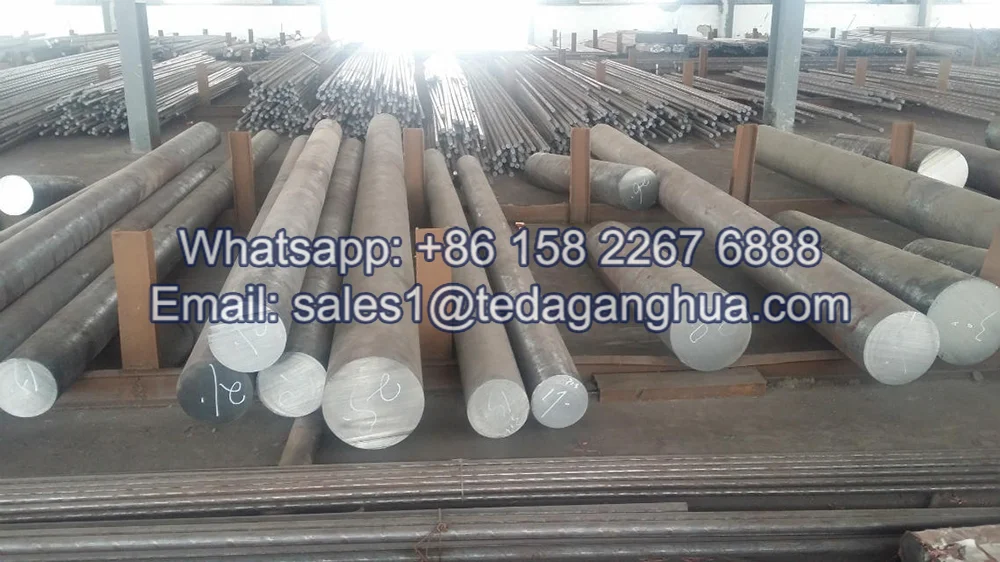
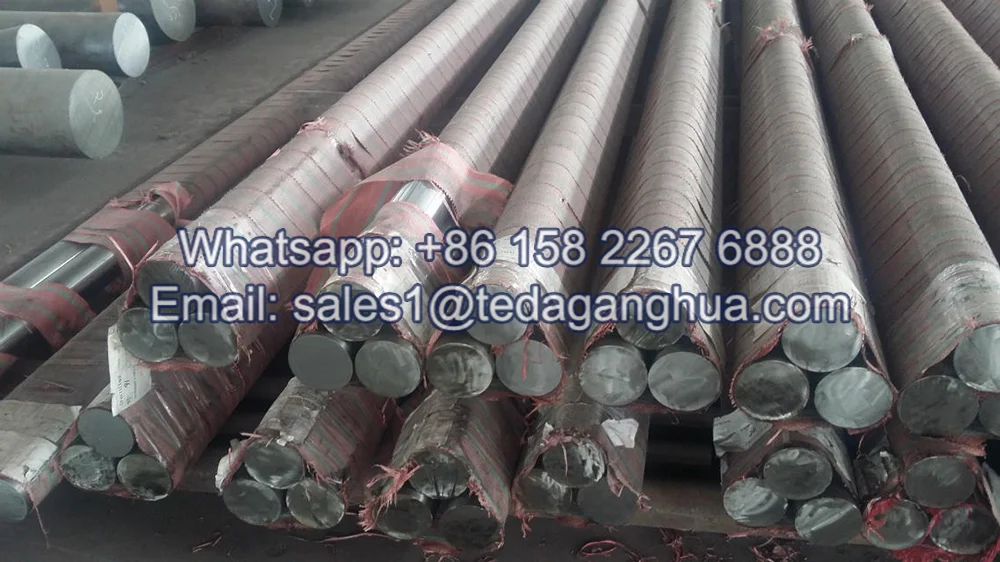
In global stainless steel supply chains, Teda Ganghua provides both 304 et 316 stainless bars with stable chemical composition, precise dimensional control, and export-grade packaging for industrial applications.
This allows customers to select the most suitable grade based on performance requirements and cost optimization.
FAQ
1. Which is better, 304 ou 316 barre en acier inoxydable?
316 is better in corrosion resistance, alors que 304 is more cost-effective for general use.
2. Why is 316 more expensive than 304?
Because it contains molybdenum and higher nickel content, which improves corrosion resistance.
3. Peut 304 stainless bar be used outdoors?
Oui, but it is less suitable for coastal or high-chloride environments.
4. Est 316 stainless steel stronger than 304?
Their mechanical strength is similar; the main difference is corrosion resistance.
5. Does Teda Ganghua supply both 304 et 316 stainless bars?
Oui, Teda Ganghua supplies both grades with stable quality and export-ready packaging.