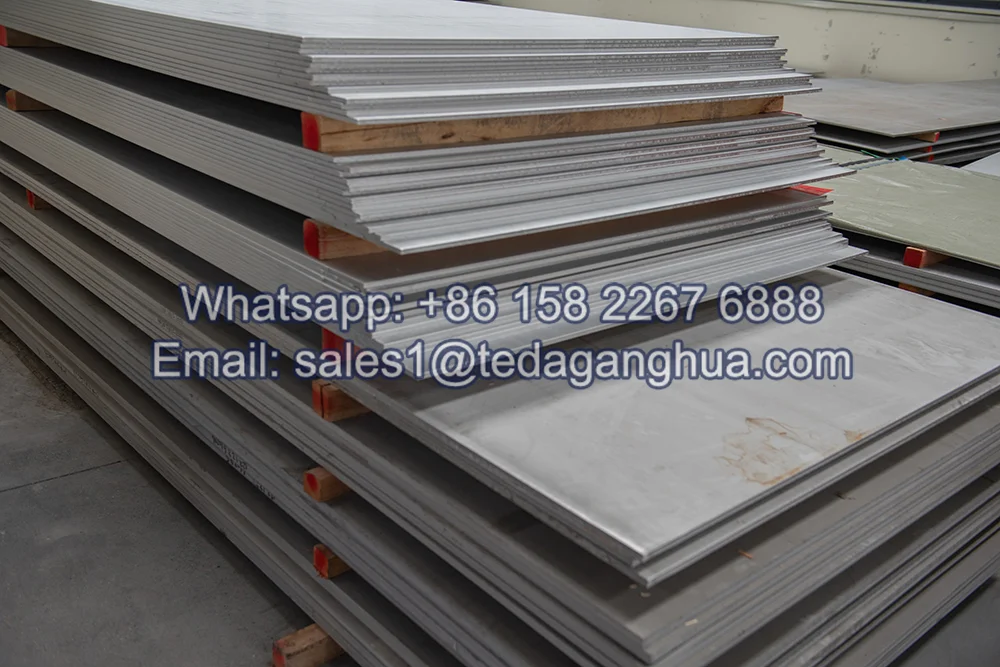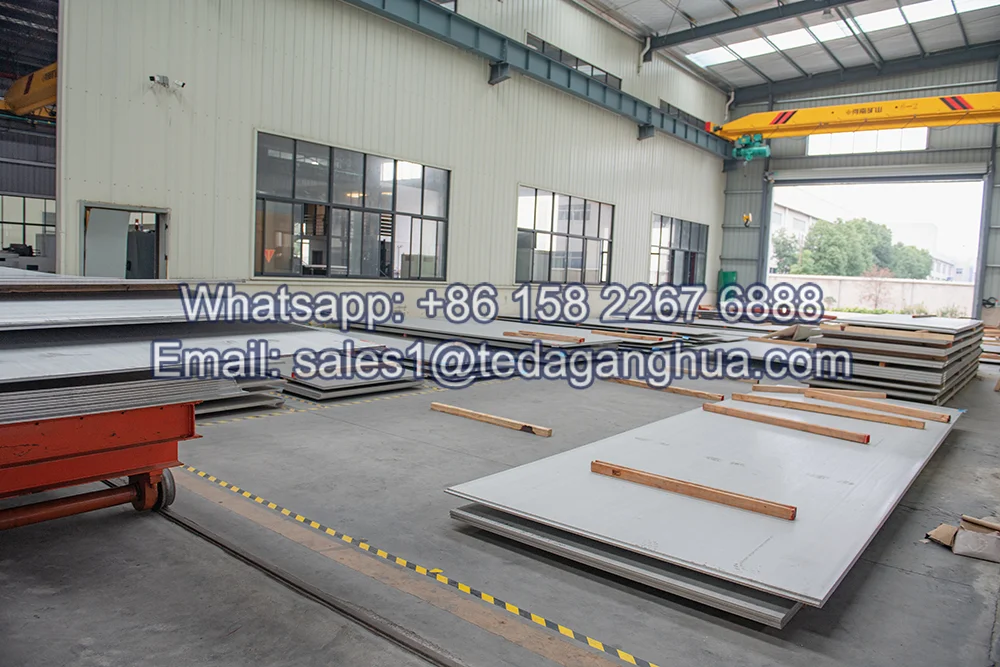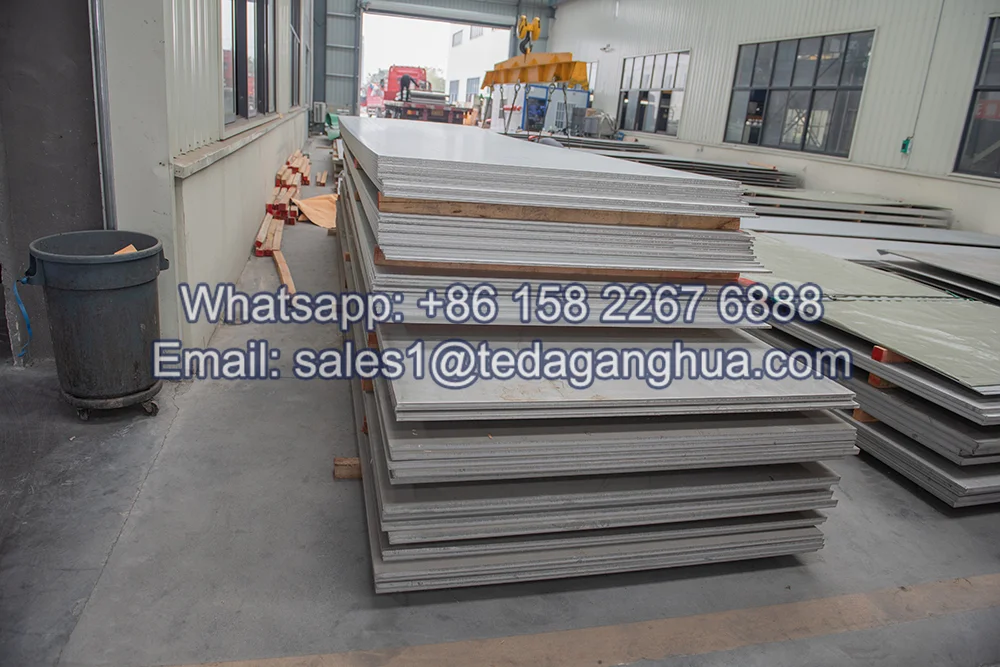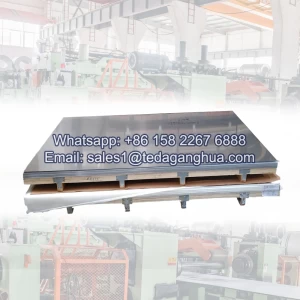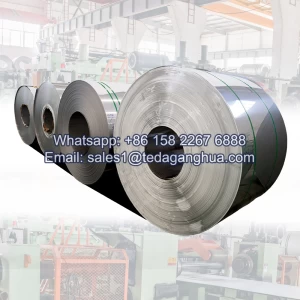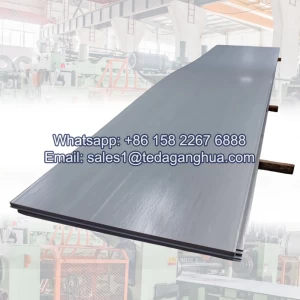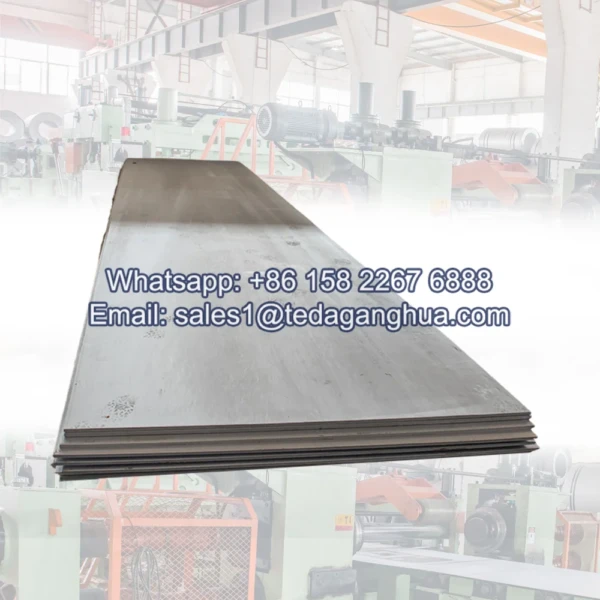
Stainless Steel Sheets Of Metal

Stainless steel sheets of metal are classified into different series based on microstructure and alloy composition, which determine their mechanical properties and performance in different environments.
The main stainless steel series include:
- الأوستنيتي (300 مسلسل)
- الحديدي (400 مسلسل)
- مارتنسيتي
- دوبلكس
- تصلب هطول الأمطار
- وصف
Stainless steel sheets of metal are widely used in construction, تصنيع, تجهيز الأغذية, and industrial engineering. They are available in different series and grades, and each series is designed based on specific chemical composition and performance requirements.
The classification of stainless steel sheets is mainly determined by microstructure, تكوين سبائك, and application environment, which directly define the material’s corrosion resistance, قوة, ومقاومة الحرارة.
How Stainless Steel Series Are Defined
Stainless steel sheet metal is mainly categorized according to metallurgical structure, which is influenced by alloying elements such as chromium, النيكل, الموليبدينوم, and carbon.
The main factors that define a stainless steel series include:
- الكروم (كر) content → corrosion resistance
- النيكل (في) content → toughness and stability
- الموليبدينوم (شهر) content → pitting resistance
- الكربون (ج) content → hardness and strength
- Heat treatment behavior → microstructure type
Based on these factors, stainless steel is divided into several major series.
1. الفولاذ الأوستنيتي المقاوم للصدأ (300 مسلسل)
Austenitic stainless steel is the most widely used category.
Typical grades:
- 201
- 304
- 316
- 321
- 310س
Key characteristics:
- غير مغناطيسية
- مقاومة ممتازة للتآكل
- Good formability and weldability
- High ductility
Why it is defined:
- High chromium (16-25%)
- High nickel content stabilizes austenite structure
التطبيقات:
- معدات المطبخ
- Food processing
- الصناعة الكيميائية
- اللوحات المعمارية
- تصنيع صناعي
2. الفولاذ المقاوم للصدأ الحديدي (400 مسلسل)
Ferritic stainless steel is mainly chromium-based and has no or very low nickel content.
Typical grades:
- 409
- 410
- 430
Key characteristics:
- مغناطيسي
- مقاومة التآكل المعتدلة
- تكلفة أقل مقارنة ب 300 مسلسل
- Good resistance to stress corrosion cracking
Why it is defined:
- High chromium (10.5–30%)
- محتوى النيكل منخفض
- Ferrite microstructure at room temperature
التطبيقات:
- أنظمة عادم السيارات
- الأجهزة المنزلية
- المعدات الصناعية
- لوحات زخرفية
3. الفولاذ المقاوم للصدأ المارتنسيتي
Martensitic stainless steel is known for high hardness and strength.
Typical grades:
- 410
- 420
- 440ج
Key characteristics:
- مغناطيسي
- قابل للعلاج بالحرارة
- High hardness after quenching
- مقاومة أقل للتآكل من 304/316
Why it is defined:
- Higher carbon content
- Controlled heat treatment forms martensite structure
التطبيقات:
- أدوات المائدة
- Surgical tools
- الأجزاء الميكانيكية
- Wear-resistant components
4. دوبلكس ستانلس ستيل (2000 مسلسل)
Duplex stainless steel combines austenitic and ferritic structures.
Typical grades:
- 2205
- 2507
Key characteristics:
- قوة عالية جدا
- Excellent chloride corrosion resistance
- مقاومة جيدة للتآكل والتآكل
Why it is defined:
- Balanced austenite + ferrite microstructure
- Higher chromium and molybdenum content
التطبيقات:
- المنصات البحرية
- خزانات كيميائية
- Marine structures
- أوعية الضغط
5. تصلب الفولاذ المقاوم للصدأ بالترسيب
This group is strengthened through heat treatment and precipitation hardening.
Typical grades:
- 17-4الرقم الهيدروجيني
- 15-5الرقم الهيدروجيني
Key characteristics:
- قوة عالية جدا
- مقاومة جيدة للتآكل
- Heat treatable to different strength levels
التطبيقات:
- Aerospace parts
- مكونات ميكانيكية عالية القوة
- Engineering structures
Stainless Steel Series Classification Summary
| مسلسل | Structure Type | Key Feature | Typical Grades |
|---|---|---|---|
| 200/300 مسلسل | الأوستنيتي | Best corrosion resistance | 201, 304, 316 |
| 400 مسلسل | Ferritic/Martensitic | مغناطيسي, فعالة من حيث التكلفة | 410, 430 |
| دوبلكس | Mixed phase | قوة عالية + مقاومة التآكل | 2205, 2507 |
| PH Series | Precipitation hardened | قوة عالية جدا | 17-4الرقم الهيدروجيني |
How Grade Numbers Are Assigned
Stainless steel grade numbers (مثل 304, 316, 430) are defined by international standards such as:
- أستم (الجمعية الأمريكية للاختبارات والمواد)
- إيسي (المعهد الأمريكي للحديد والصلب)
- في / DIN standards (أوروبا)
- JIS standards (اليابان)
The numbering system is not random; it reflects:
- Chemical composition range
- الخصائص الميكانيكية
- Intended application category
- Historical classification system
على سبيل المثال:
- 304 = general-purpose austenitic stainless steel
- 316 = molybdenum-enhanced corrosion-resistant grade
- 430 = ferritic stainless steel for general use