- وصف
شريط الفولاذ المقاوم للصدأ: Processing and Manufacturing Techniques for High-Performance Applications
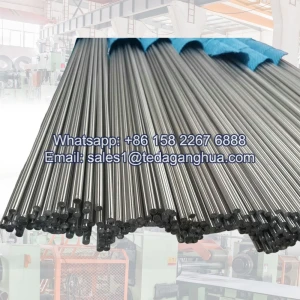
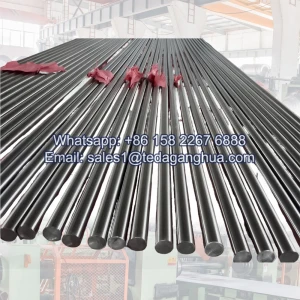
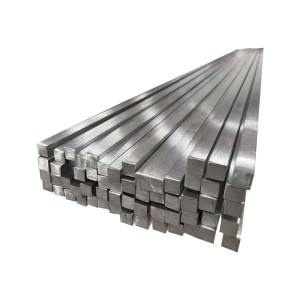
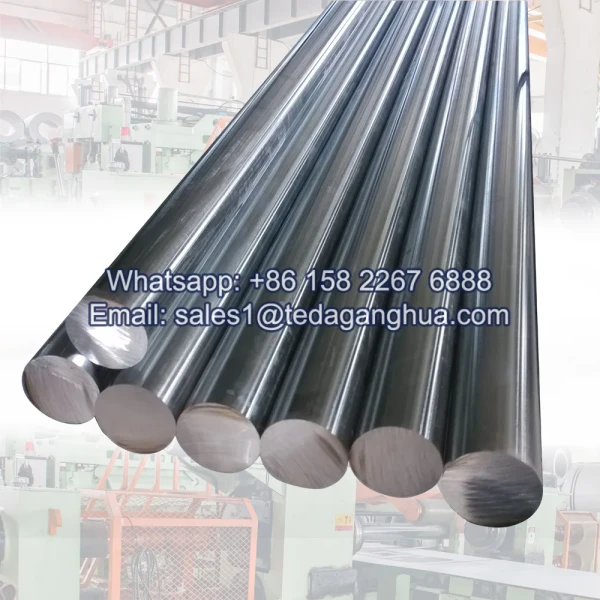
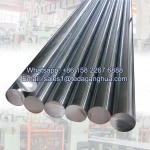
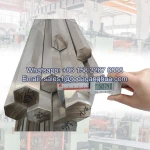
Stainless steel bar production involves a series of controlled metallurgical and mechanical processes designed to ensure strength, دقة الأبعاد, ونوعية السطح. From hot working to final finishing, each step directly affects the performance of the final product in machining, بناء, والتطبيقات الصناعية.
Different stainless steel grades such as 304, 316, 321, 347, and precipitation-hardened alloys require slightly different processing routes, but the core manufacturing principles remain consistent across the industry.
1. Raw Material Selection and Melting
The process begins with high-quality raw materials, including scrap steel and alloying elements such as chromium, النيكل, والموليبدينوم. These are melted in electric arc furnaces or AOD refining systems to achieve precise chemical composition control.
- Electric Arc Furnace (القوات المسلحة المصرية) ذوبان لإنتاج الصلب الأولي
- تكرير AOD لتقليل الكربون والشوائب
- تحكم صارم في تكوين السبائك لضمان دقة الدرجة
2. عملية الصب المستمر
بعد التكرير, يتم صب الفولاذ المقاوم للصدأ المنصهر في قوالب أو أزهار من خلال الصب المستمر. تحدد هذه الخطوة البنية الداخلية وتوحيد المادة.
- تنتج قضبان الصلب شبه المصنعة
- يحسن الكثافة الداخلية ويقلل العيوب
- يضمن التوزيع الكيميائي المتسق
3. عملية الدرفلة على الساخن
يتم استخدام الدرفلة على الساخن لتحويل القضبان إلى أشكال شريطية عند درجات حرارة عالية. تحدد هذه المرحلة الأبعاد الأساسية والخواص الميكانيكية لقضبان الفولاذ المقاوم للصدأ.
| خطوة العملية | نطاق درجة الحرارة | الغرض الرئيسي |
|---|---|---|
| إعادة التسخين | 1100درجة مئوية – 1250 درجة مئوية | تحضير البليت للتشوه |
| المتداول | أعلى من درجة حرارة إعادة التبلور | تشكيل الشكل وصقل الحبوب |
| تبريد | تبريد الهواء المتحكم فيه | Stabilize mechanical structure |
4. Annealing and Heat Treatment
Annealing is used to relieve internal stress, improve ductility, and stabilize the microstructure of stainless steel bars. For certain grades like 17-4PH, solution treatment and aging are required.
- Solution annealing for austenitic steels (304, 316)
- Stress relief to improve machinability
- Precipitation hardening for 17-4PH grades
5. Cold Drawing and Precision Sizing
Cold drawing improves dimensional accuracy and surface finish. This process is widely used for bright bars and precision machining applications.
- Improves diameter tolerance and straightness
- Enhances surface smoothness and brightness
- Increases mechanical strength through work hardening
6. Surface Finishing Processes
Surface treatment is essential for corrosion resistance and aesthetic requirements. Different finishing methods are selected based on application needs.
| نوع التشطيب | طريقة | طلب |
|---|---|---|
| Hot Rolled Black | As-rolled surface | Structural engineering |
| مخلل & Passivated | Acid cleaning | Corrosion-resistant industrial use |
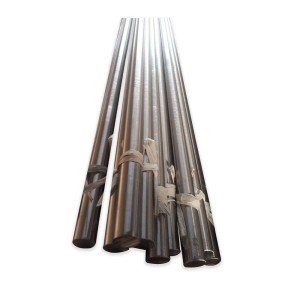
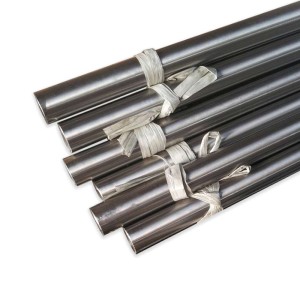
| Bright Bar | Cold drawing & تلميع | Machining and precision parts |
| Polished Surface | تلميع ميكانيكي | Decorative and hygienic applications |
7. قطع, Straightening and Packaging
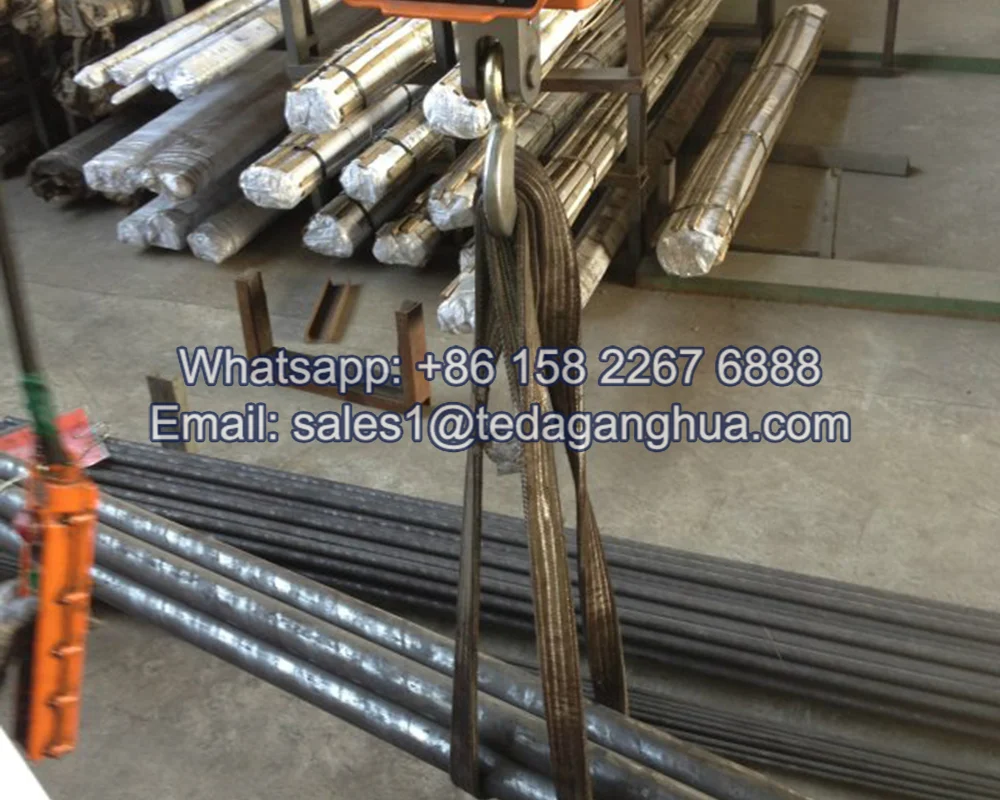
Final processing includes cutting to length, straightening, and bundling for shipment. These steps ensure usability in downstream manufacturing and construction.
- Precision cutting to customer-required lengths
- Straightening to remove bending deformation
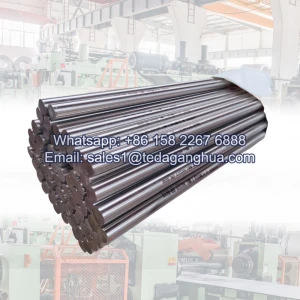
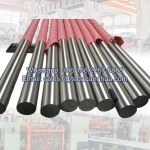
- Steel strap bundling for export packaging
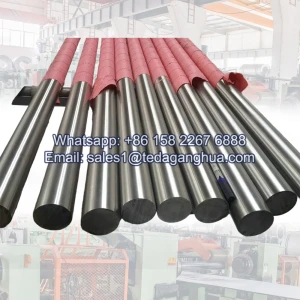
- Moisture-proof wrapping for corrosion protection
Industrial Applications of Processed Stainless Steel Bars
Properly processed stainless steel bars are widely used across industries due to their mechanical reliability and corrosion resistance.
- مكونات آلية وأجزاء هندسية دقيقة
- الدعامات والأطر الهيكلية للبناء
- السحابات, البراغي, والموصلات الميكانيكية
- تجهيز الأغذية والمعدات الصحية
- أنظمة مصانع الكيماويات والبتروكيماويات
في سلاسل التوريد الصناعية, شركات مثل تيدا جانجوا توفير منتجات قضبان الفولاذ المقاوم للصدأ مع تعدين مستقر, معالجة دقيقة, والتعبئة والتغليف المخصصة للتصدير لضمان الأداء المتسق في التصنيع النهائي.
لقضبان الفولاذ المقاوم للصدأ الهيكلية والمنتجات الشخصية, يزور
حلول الملف الشخصي من الفولاذ المقاوم للصدأ لاستكشاف المواد الشريطية الصناعية والأقسام الهندسية.
مزايا معالجة قضبان الفولاذ المقاوم للصدأ التي يتم التحكم فيها
- تحسين دقة الأبعاد للتصنيع
- تعزيز مقاومة التآكل من خلال التشطيب المناسب
- أداء ميكانيكي مستقر عبر التطبيقات
- عمر خدمة طويل مع تقليل مخاطر الفشل
التعليمات
1. ما هي العمليات الرئيسية في إنتاج قضبان الفولاذ المقاوم للصدأ?
The main processes include melting, continuous casting, المتداول الساخنة, الصلب, cold drawing, التشطيب السطحي, and cutting.
2. Why is annealing important for stainless steel bars?
Annealing reduces internal stress and improves ductility and machinability of the material.
3. What is the difference between hot rolled and cold drawn bars?
Hot rolled bars are used for structural applications, while cold drawn bars offer higher precision and smoother surfaces.
4. Why is pickling and passivation necessary?
It removes oxidation and restores corrosion resistance by rebuilding the protective chromium oxide layer.
5. Does Teda Ganghua provide processed stainless steel bars?
نعم, Teda Ganghua supplies stainless steel bars with multiple processing options including cutting, التشطيب, and custom sizing.