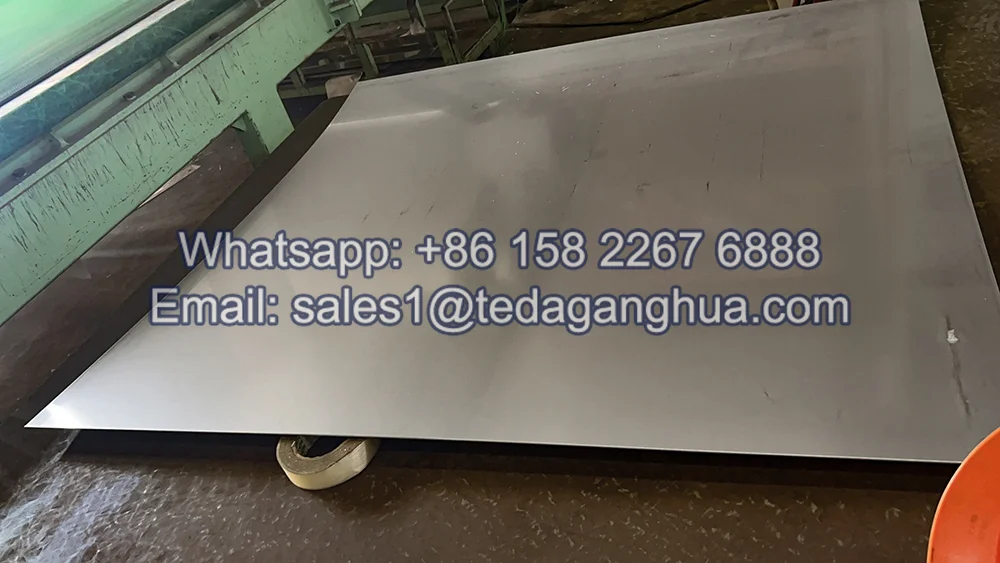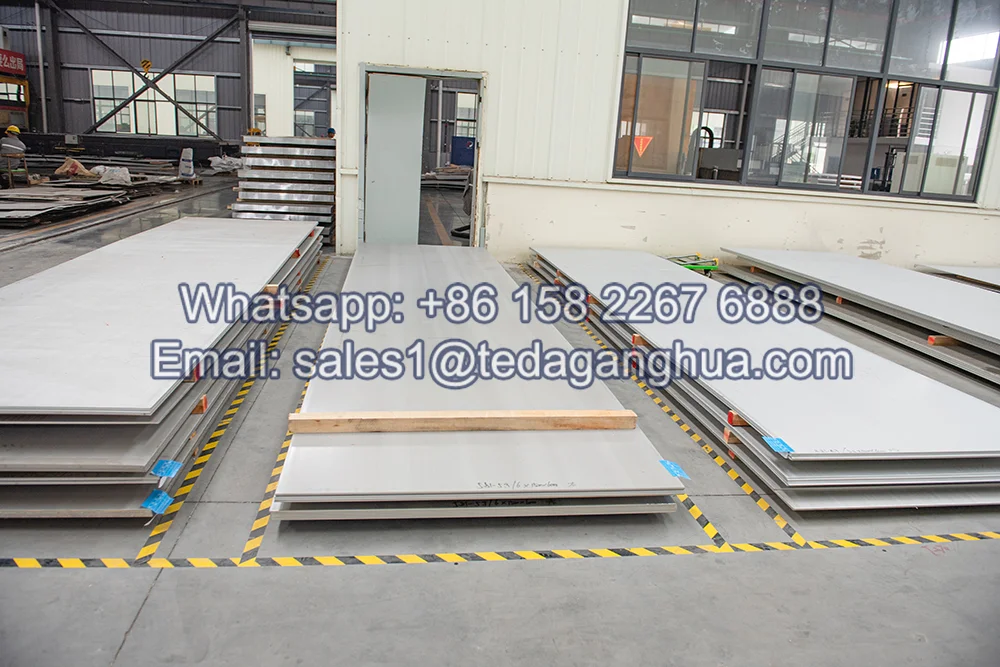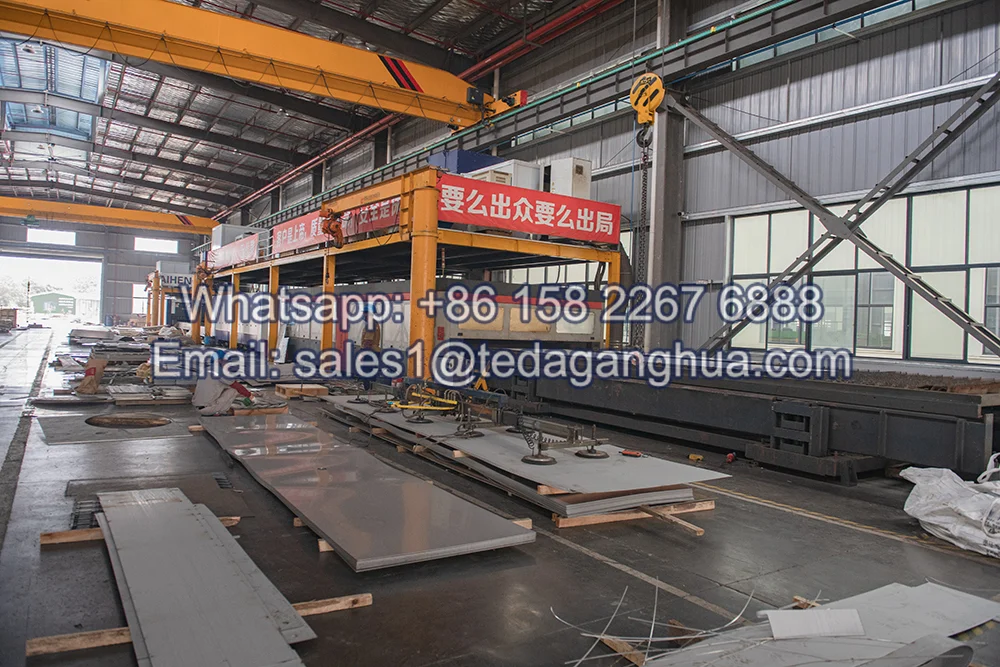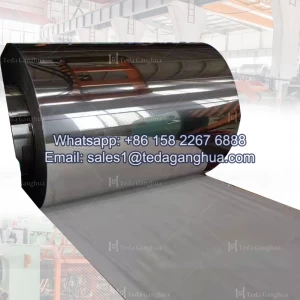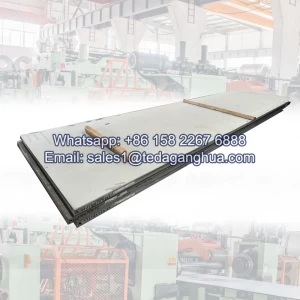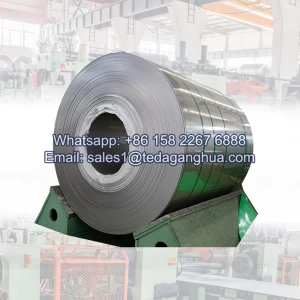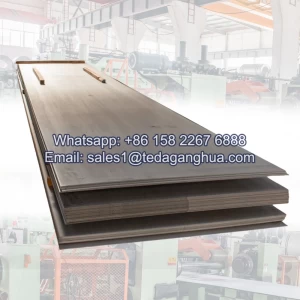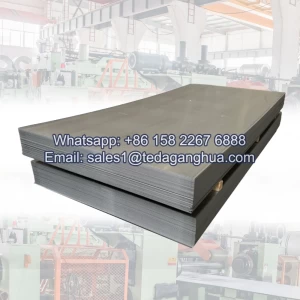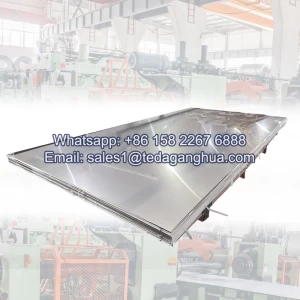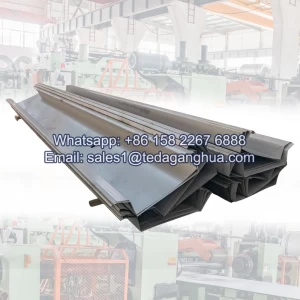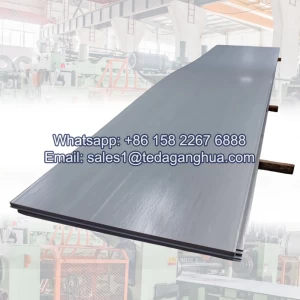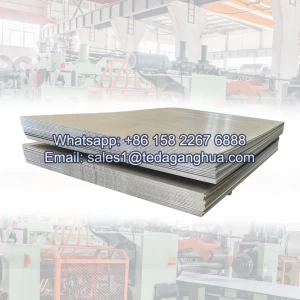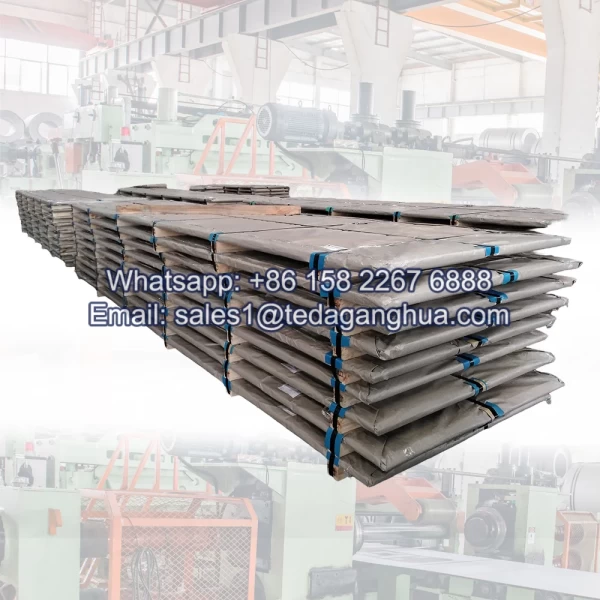
316 لوحة الفولاذ المقاوم للصدأ
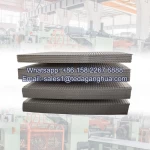
316 لوحة الفولاذ المقاوم للصدأ is more expensive primarily due to its higher alloy content, especially molybdenum and nickel, which deliver superior corrosion resistance and durability.
- وصف
316 لوحة الفولاذ المقاوم للصدأ is an advanced austenitic stainless steel widely used in البحرية, كيميائية, and high-corrosion environments. Compared with standard grades like 304, 316 is known for its superior corrosion resistance and durability, which is the main reason it is priced higher.
Understanding its composition and performance explains why 316 stainless steel plates are considered a premium material.
التركيب الكيميائي ل 316 الفولاذ المقاوم للصدأ
| عنصر | محتوى (%) |
|---|---|
| الكروم (كر) | 16.0 - 18.0 |
| النيكل (في) | 10.0 - 14.0 |
| الموليبدينوم (شهر) | 2.0 - 3.0 |
| الكربون (ج) | ≥ 0.08 |
| المنغنيز (من) | ≥ 2.00 |
| السيليكون (و) | ≥ 1.00 |
| حديد (الحديد) | توازن |
Key Alloy Element – Molybdenum (شهر)
إضافة الموليبدينوم is the most important factor that differentiates 316 from other stainless steels. It significantly improves مقاومة التآكل, وخاصة في بيئات الكلوريد.
لماذا 316 Stainless Steel Plate Is More Expensive
1. Higher Alloy Content
316 contains more nickel and added molybdenum, both of which are relatively expensive alloying elements. This directly increases the raw material cost.
2. مقاومة فائقة للتآكل
The molybdenum content provides:
- Excellent resistance to pitting and crevice corrosion
- Strong performance in marine and saltwater environments
- Better resistance to chemical corrosion
هذا يجعل 316 suitable for demanding applications where cheaper materials would fail.
3. Longer Service Life
Because of its enhanced corrosion resistance, 316 الفولاذ المقاوم للصدأ:
- Requires less maintenance
- Has a longer lifespan
- Reduces replacement and repair costs
This adds value despite the higher initial price.
4. More Demanding Production and Processing
Higher alloy content can increase:
- تعقيد التصنيع
- صعوبة المعالجة
- Quality control requirements
These factors also contribute to a higher overall cost.
الخصائص الرئيسية ل 316 لوحة الفولاذ المقاوم للصدأ
1. مقاومة ممتازة للتآكل
Especially effective in chloride-rich and marine environments, outperforming 304 الفولاذ المقاوم للصدأ.
2. Good High-Temperature Performance
Maintains strength and oxidation resistance at elevated temperatures.
3. Strong Mechanical Properties
Provides good strength combined with high ductility and toughness.
4. Good Weldability and Fabrication
Can be processed by لحام, قطع, وتشكيل, though slightly more demanding than 304.
Typical Mechanical Properties
| ملكية | قيمة |
|---|---|
| قوة الشد | ≥ 520 الآلام والكروب الذهنية |
| قوة العائد | ≥ 205 الآلام والكروب الذهنية |
| استطالة | ≥ 40% |
| كثافة | ~7.98 g/cm³ |
التطبيقات المشتركة
1. Marine Industry
- Ship components
- المنصات البحرية
- أنظمة مياه البحر
2. Chemical and Petrochemical
- صهاريج التخزين
- خطوط الأنابيب
- مبادلات حرارية
3. Food and Medical Industry
- معدات تجهيز الأغذية
- الآلات الصيدلانية
- بيئات صحية
4. البناء والهندسة المعمارية
- High-end exterior cladding
- Corrosion-resistant structural components
316 مقابل 304 – Key Difference
| ميزة | 316 الفولاذ المقاوم للصدأ | 304 الفولاذ المقاوم للصدأ |
|---|---|---|
| الموليبدينوم | 2-3% | لا أحد |
| مقاومة التآكل | ممتاز | جيد |
| يكلف | أعلى | أدنى |
| طلب | Harsh environments | الاستخدام العام |
Teda Ganghua – Supply Capability
تيدا جانجوا supplies 316 stainless steel plates with reliable quality and processing support:
- Wide range of thickness and sizes
- Custom cutting and fabrication services
- فحص الجودة الصارمة
- Export packaging and global delivery
With strong inventory and processing capabilities, يوفر تيدا جانجوا high-performance stainless steel solutions for demanding industries.